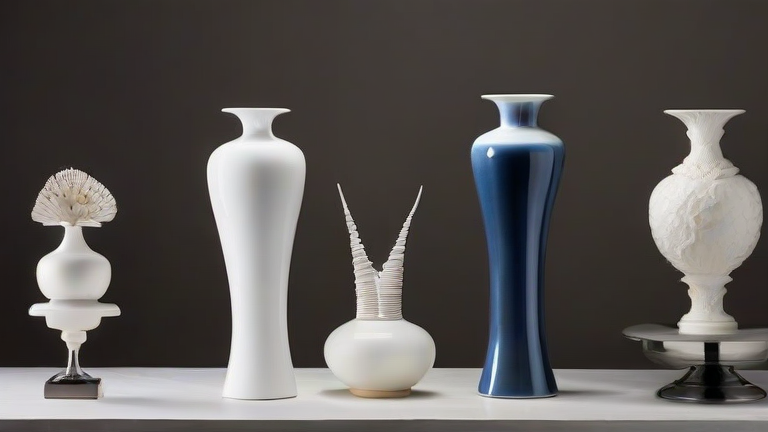
TL;DR: Porcelain sculptures bring a gallery-like serenity and tactile warmth to any room, acting as timeless focal points that bridge art and daily living. Their handcrafted imperfections and glossy finishes invite slow appreciation, making them the ultimate statement piece for a curated, mindful home.
The Art of Slow Living, Frozen in Clay
In an era of mass-produced decor and fleeting trends, porcelain sculptures offer a counter-narrative—one rooted in patience, craftsmanship, and cultural heritage. Unlike a throw pillow or a scented candle, a porcelain figurine demands your attention. It doesn’t just fill space; it creates a pause. Whether you place a delicate white heron on your entryway console or a blush-toned dancer on your bookshelf, these objects become quiet anchors that ground your space in intentionality.
If you want to dig deeper, check out our guide on How Porcelain Figurines Boost Mental Health & Home Wellness.
Travel often inspires our most cherished decor. Instead of buying a fridge magnet, why not bring home a porcelain piece from a local artisan? In Portugal, cobalt-blue tile-inspired figurines echo the country’s azulejo tradition. In Japan, minimalist porcelain tea sets and animal sculptures reflect wabi-sabi—the beauty of imperfection. Each piece carries a story, a kiln’s heat, and a maker’s breath. This transforms your home into a personal museum, where every shelf whispers of a journey or a moment of self-growth.
Styling for Timeless Elegance
To elevate your decor, think of porcelain as jewelry for your interiors. A single, sculptural bust on a marble side table creates instant sophistication. Group three small figurines in varying heights—a deer, a blooming flower, an abstract sphere—on a wooden tray for a curated vignette. Avoid clutter; let each piece breathe. The glossy glaze reflects light, making rooms feel larger and more airy, while matte finishes add a modern, tactile contrast to velvet or linen textures.
For the personal growth angle, curating a collection teaches patience. You wait for the right piece, not the fastest. You learn to appreciate asymmetry and glaze drips as signatures of humanity. This practice mirrors how we evolve: slowly, with layers of experience, yet always beautiful in our imperfections. Pair porcelain with natural elements—dried pampas grass, raw wood, or linen—to create a space that feels both elevated and grounded.
FAQ
Q: How do I clean and maintain porcelain sculptures without damaging them?
A: Use a soft, dry microfiber cloth to dust weekly. For stubborn spots, lightly dampen the cloth with distilled water and gently wipe—never submerge or use harsh chemicals, as they can dull the glaze or loosen hand-painted details.
Q: Can porcelain figurines work in a modern, minimalist home, or are they only for traditional decor?
A: Absolutely they work in modern spaces. Choose abstract or single-color pieces with clean lines, and display them on floating shelves or concrete surfaces. The contrast of delicate porcelain against raw, industrial materials creates a striking, contemporary look.
Q: Are handmade porcelain sculptures worth the higher price compared to mass-produced ones?
A: Yes, because handmade pieces carry unique glaze variations, slight asymmetries, and the artisan’s personal touch—making each one a one-of-a-kind investment. They also support traditional craft communities and often appreciate in aesthetic value over time, unlike factory-made replicas.
Leave a Reply