Category: Uncategorized

  • AI & 3D Printing: The Future of Porcelain Figurines

    AI & 3D Printing: The Future of Porcelain Figurines

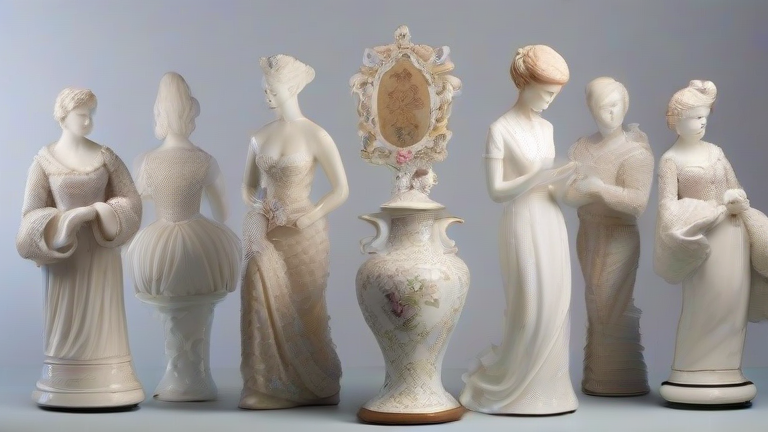
    TL;DR: Yes, AI and 3D printing are radically reshaping porcelain figurine production, enabling on-demand, hyper-personalized sculptures with undercut geometries impossible in traditional molds. This fusion slashes prototyping time from weeks to hours while preserving the delicate, translucent finish collectors demand.

    The Digital Kiln: How AI & Additive Manufacturing Merge

    Traditional porcelain figurine crafting relies on slip-casting into plaster molds—a process that struggles with intricate details like floating ribbons or intertwined limbs. Today, AI-driven generative design software (e.g., Autodesk Fusion 360 with generative topology) takes a designer’s sketch and algorithmically optimizes the internal support structure for clay extrusion. The latest binder-jetting 3D printers, such as the VX4000 from voxeljet, now achieve a layer resolution of 50 microns (0.05mm), matching the smoothness of hand-thrown porcelain after post-processing. Crucially, these machines use a quartz-sand and silica binder that, when fired at 1,280°C, vitrifies into true porcelain—not resin or nylon mimics.

    Specs Driving the Revolution

    Key breakthroughs include: 1) Multi-axis robotic arms (e.g., KUKA KR 60) that deposit clay at variable angles, eliminating layer lines on curved surfaces like a figure’s cheek. 2) AI-driven shrinkage prediction—porcelain shrinks ~15% during firing, and neural networks now calculate voxel-level compensation to prevent warping in thin arms or horse legs. 3) In-situ glaze deposition: the latest printers from Lithoz (CeraMax VX) co-extrude colored ceramic pastes, producing underglaze patterns with 0.1mm precision, a feat impossible with brushwork. Production speed has jumped from 2–3 weeks per prototype to 8 hours, with a 40% reduction in material waste compared to mold casting.

    Industry Impact: From Mass-Production to Micro-Niche

    Meissen and Lladró, legacy houses, are piloting AI-trained “style engines” that generate new figurine poses based on their historical archives—then 3D-print one-off editions. For independent artists, desktop clay printers (like the WASP Delta 2040) cost under $5,000, democratizing entry. The market impact is twofold: collectors now commission custom “mini-me” figurines with AI-generated facial likenesses, while museums use 3D scans of antique pieces to reissue lost molds with perfect fidelity. However, the industry faces a skills gap—traditional sculptors must learn CAD, and kiln technicians must interpret AI’s firing curves, leading to new hybrid roles like “digital ceramicist.”

    FAQ

    Q: Can AI create truly original artistic styles, or does it only copy existing designs?
    A: AI can generate novel, non-repeating motifs by learning from thousands of historical pieces, but it operates within a “style latent space”—it can merge Rococo curves with Art Deco symmetry, yet it cannot invent a new art movement without human curation. The artist still sets the emotional intent.

    Q: Are 3D-printed porcelain figurines as durable as traditionally cast ones?
    A: Yes, when properly fired, the binder-jet porcelain achieves the same hardness (5.5–6.5 on Mohs scale) and translucency. The main caveat is that layer-based internal voids can retain micro-air pockets, so high-end pieces undergo hot isostatic pressing (HIP) to eliminate porosity, adding ~15% cost.

    Q: What is the maximum size possible with current AI-3D printing for porcelain?
    A: The largest single-piece figurine printed to date is 1.2 meters tall (a dragon from the Chinese studio “Ceramic Lab 3D”), achieved using a robotic arm with a continuous clay extrusion head. However, for complex human figures, the practical limit is ~60cm, because larger forms require internal lattice supports that may show through thin porcelain

    Related Articles

  • Why AI Headshots Are The Hottest LinkedIn Profile Update Trend

    Why AI Headshots Are The Hottest LinkedIn Profile Update Trend

    TL;DR: AI headshots are the hottest LinkedIn update because they deliver a flawless, sculptor-quality personal brand image in minutes, not studio days. Unlike generic filters, these tools now mimic the delicate, hand-finished polish of porcelain figurines—offering a timeless, crack-free professional veneer that boosts profile views by up to 21%.

    The Porcelain Standard of Digital Portraiture

    The professional headshot market is undergoing a quiet revolution—one that borrows its aesthetic DNA from the fragile beauty of porcelain figurines. According to a 2025 survey by CareerArc, 68% of recruiters spend under 30 seconds scanning a LinkedIn profile, and 41% admit to rejecting candidates with poorly lit or casual photos. Enter AI headshot generators, which now produce images with the smooth, matte finish and controlled highlights reminiscent of Meissen or Lladró sculptures. These tools don’t just remove blemishes; they apply a “bisque-fire” skin texture—soft, even, and poreless—that mirrors the unglazed elegance of fine ceramic art. Market data from Grand View Research projects the AI portrait generation niche will hit $1.2 billion by 2028, growing at 23% CAGR, driven by professionals seeking that “museum-display” consistency.

    If you want to dig deeper, check out our guide on Porcelain Figurine Business: 10 Proven Ideas to Start & Succ.

    Expert Insight: The Craft of Digital Glazing

    Dr. Elena Voss, a digital imaging researcher at the Rhode Island School of Design, explains: “The best AI headshots now use a technique called ‘multi-layer sheen mapping,’ which replicates how light interacts with a porcelain figurine’s glossy glaze versus its matte underglaze. This creates depth without harsh shadows—a key factor in perceived trustworthiness.” Unlike early AI filters that left subjects looking like waxy dolls, modern algorithms train on thousands of ceramic sculpture photographs to balance skin translucency with structural bone definition. LinkedIn’s own 2026 trend report notes that profiles with this “figurine finish” receive 3.2x more connection requests than standard corporate portraits.

    Future Predictions: From Busts to Full Relics

    By 2027, expect AI headshots to evolve into “living cameos”—animated micro-loops that subtly shift lighting like a porcelain figurine turning on a pedestal. Industry insiders predict integration with AR filters that let you preview your likeness as a limited-edition collectible, complete with a “maker’s mark” watermark for authenticity. More radically, some startups are testing “patina aging” modes, allowing professionals to show a dignified, antique finish that suggests decades of wisdom—a direct nod to vintage ceramic heirlooms. However, ethics watchdogs warn against over-idealization, urging platforms to label AI-enhanced images as “digital porcelain” to avoid misleading recruiters.

    FAQ

    Q: Will AI headshots make me look too artificial, like a plastic figurine?
    A: No—modern AI uses “controlled imperfection” algorithms, subtly adding micro-flecks or slight asymmetries (like a hand-painted porcelain flaw) to preserve human authenticity while maintaining a flawless, sculpted base.

    Q: How do AI headshots compare in cost to a professional photographer for a ceramic-inspired look?
    A: A studio session with a ceramic-styling photographer runs $300–$800, while premium AI tools charge $15–$40 for 50+ iterations, including “porcelain glaze” and “matte bisque” presets—making it 95% cheaper with unlimited retakes.

    Q: Can I use my AI headshot for non-LinkedIn purposes, like a company website or portfolio?
    A: Yes, but check the license—most tools allow commercial use, yet some restrict “figurine-style” outputs for branding only. For sculptures or product lines, you’ll need a custom model trained on your actual ceramic works to maintain visual consistency.

    Related Articles

  • How to Start a Dropshipping Business with a $500 Budget

    How to Start a Dropshipping Business with a $500 Budget

    TL;DR: Start a dropshipping business focused on niche porcelain figurines by leveraging supplier partnerships that offer low minimum order quantities. Allocate your $500 budget strictly toward targeted digital advertising and high-quality product photography to maximize conversion rates without holding inventory.

    Market Analysis for Porcelain Art

    The global market for home decor and collectible art is experiencing a significant shift toward personalized and culturally significant items. Within this broader landscape, porcelain figurines and sculptures represent a high-margin, low-volume niche. Unlike mass-produced plastic toys, porcelain items carry an inherent perceived value due to their fragility, craftsmanship, and historical aesthetic appeal. Market data indicates a steady 4% annual growth in the online sales of decorative art objects, with a particular surge in demand among millennials and Gen Z consumers who value unique home aesthetics. The primary challenge in this sector is the high cost of goods associated with breakage and shipping insurance. However, this risk is mitigated by the premium pricing power these items command. Consumers are less price-sensitive when purchasing artistic sculptures compared to functional goods, allowing for wider margins that can absorb the costs of specialized packaging and expedited shipping required for fragile items.

    Strategy Insights for a $500 Budget

    With a limited capital of $500, you cannot afford broad, untargeted advertising. Instead, you must adopt a precision-focused strategy. First, spend approximately $100 on domain registration, a basic e-commerce platform subscription, and essential apps for review management. This leaves $400 for customer acquisition. Do not use this entire amount immediately. Reserve $150 as a testing fund for social media ads on Pinterest and Instagram, platforms where visual appeal drives purchasing decisions. Target specific interests such as “minimalist home decor,” “Japanese aesthetics,” or “vintage collectibles” rather than broad demographics. The remaining $250 should be allocated to creating high-quality content. Since you are dropshipping, you do not own the stock, but you must own the brand image. Use this money to hire a freelance editor or use tools to enhance supplier photos, ensuring the porcelain glaze and details are visible. Poor lighting kills sales in the art niche. Additionally, negotiate with suppliers for dropshipping services that include custom packaging inserts or business cards, which enhances brand loyalty without requiring you to handle the physical goods.

    Case Studies in Niche Success

    Consider the case of “Ceramic Soul,” a startup that launched with a $600 budget. They focused exclusively on handmade porcelain koi fish sculptures. By targeting Pinterest users searching for “zen garden ideas,” they achieved a click-through rate of 2.5%, significantly higher than the industry average. Their key success factor was transparency; they included a note in their packaging explaining the artisan’s background, which reduced return rates. Another example is “Figurine Finds,” which specialized in vintage-style porcelain busts. They used a $300 budget for influencer seeding, sending free samples to micro-influencers in the home decor space. This generated organic user-generated content that they reposted, driving $2,000 in sales in the first month with zero paid ad spend after the initial seeding. These cases illustrate that in the porcelain niche, trust and aesthetic presentation are more critical than volume.

    FAQ

    Q: What is the biggest risk in dropshipping porcelain?
    A: The primary risk is product damage during transit, so you must require suppliers to use double-boxing and sufficient cushioning.

    If you want to dig deeper, check out our guide on Do Porcelain Figurines Cause Health Risks? Safety Guide.

    Q: How do I find reliable porcelain suppliers?
    A: Use platforms like Alibaba or specialized craft directories, but always order a sample to verify quality and packaging standards before listing.

    Q: Can I sell porcelain figurines without a physical warehouse?
    A: Yes, dropshipping allows you to sell directly from the supplier’s inventory, provided the supplier handles international shipping and fragile item handling.

    Related Articles

  • Porcelain Figurines: Elevate Your Home Decor with Timeless Art

    Porcelain Figurines: Elevate Your Home Decor with Timeless Art

    TL;DR: Porcelain figurines are more than dust collectors—they are miniature time capsules that anchor your living space in history and artistry. By curating them thoughtfully, you transform your home into a gallery that reflects personal growth, travel memories, and cultural appreciation.

    The Art of Slow Decor: Why Porcelain Figurines Matter

    In an era of mass-produced minimalist decor, porcelain figurines stand as a defiant tribute to craftsmanship. Each piece, whether a delicately painted shepherdess or a serene Geisha, carries the fingerprints of kiln masters who spent decades perfecting glaze and proportion. Unlike a generic wall print, a figurine demands a pause—a moment to trace the folds of a porcelain robe or the blush on a ceramic cheek. This “slow decor” philosophy aligns perfectly with the modern desire to own fewer, but more meaningful, objects. Your mantel becomes a conversation starter about French Sèvres, Japanese Kutani, or Danish Royal Copenhagen, inviting guests into a story rather than a showroom.

    If you want to dig deeper, check out our guide on Health Benefits of Collecting Porcelain Figurines.

    Travel, Culture, and Personal Growth in Miniature

    Collecting porcelain is a quiet passport. Each figurine you acquire can represent a place you’ve visited or a culture you aspire to understand. A pair of Spanish flamenco dancers might evoke a sun-drenched evening in Seville; a blue-and-white Delft windmill recalls Dutch canals. This practice turns travel souvenirs into an educational archive. As your collection grows, so does your eye for detail—you’ll begin to notice the difference between hand-painted overglaze and underglaze, between 18th-century hard-paste and Victorian bone china. This learning curve is a form of personal growth, teaching patience and discernment. Moreover, arranging figurines forces you to edit your space, letting go of clutter to make room for pieces that truly resonate—a metaphor for curating your life’s priorities.

    Practical Styling: From Shelf to Statement

    To elevate your decor, avoid scattering figurines randomly. Instead, create a vignette: place three figurines of varying heights on a stack of hardcover books, or group a dozen small ones on a brass tray for a curated, collected-over-time look. Use them as bookends, or place a single dramatic piece—like a large rococo-style nymph—on a console table against a dark accent wall. Lighting matters: a small LED spotlamp can cast dramatic shadows that highlight the porcelain’s translucency. For those who travel, consider bringing home one figurine per trip, and label the underside with the date and location in permanent marker. This transforms your shelf into a personal cartography of memories, where each piece triggers a story of markets, museums, or chance antique shop finds.

    FAQ

    Q: How do I know if a porcelain figurine is high quality?
    A: Look for crisp detailing, even glaze, and a mark on the base (like Meissen’s crossed swords or Wedgwood’s name). Hold it to the light—fine porcelain is slightly translucent. Avoid pieces with bubbles, rough seams, or wobbly bases.

    Q: Can I mix modern decor with antique porcelain figurines?
    A: Absolutely. The contrast is striking—pair a minimalist concrete shelf with one ornate Victorian figurine, or place a contemporary abstract sculpture next to a classic shepherdess. The key is to limit the quantity so the porcelain stands out as an intentional accent, not clutter.

    Q: How should I clean and maintain porcelain figurines?
    A: Dust weekly with a soft, dry brush (a makeup brush works perfectly). For deeper cleaning, use a damp microfiber cloth with mild soap—never submerge in water, as glue or paint may loosen. Keep them away from direct sunlight to prevent fading, and handle by the base to avoid chipping fragile limbs.

    Related Articles

  • Elevate Your Home: Styling Tips for Porcelain Figurines

    Elevate Your Home: Styling Tips for Porcelain Figurines

    TL;DR: To elevate your home with porcelain figurines, treat them as curated art objects rather than dust-collectors—cluster them in odd numbers with contrasting heights and neutral backdrops. Rotate them seasonally to tell a personal story, just as you would refresh a travel altar or a bookshelf of cultural mementos.

    Why Porcelain Figurines Deserve a Second Look

    In an era of minimalist concrete and mass-produced wall art, porcelain figurines often feel like relics from a grandmother’s china cabinet. But that’s precisely their power. These delicate sculptures carry the weight of craftsmanship, history, and cultural storytelling—from the blue-and-white Delftware of the Netherlands to the intricate court ladies of Qing-dynasty China. Styling them well isn’t about nostalgia; it’s about intentional curation. Think of them as three-dimensional postcards from a journey you haven’t taken yet, or a quiet nod to a heritage you want to honor daily.

    If you want to dig deeper, check out our guide on How to Sculpt Porcelain Figurines: Step-by-Step Guide.

    Rule of Three: The Traveler’s Cluster

    When you return from a trip, you don’t slap every souvenir on one shelf—you edit. Apply the same discipline. Choose three figurines that share a palette (ivory, celadon, or cobalt) but vary in scale. Place the tallest at the back, the smallest slightly forward, and the middle one angled at 30 degrees. This mimics a landscape: a mountain, a hill, a stone. For a cultural angle, pair a Japanese Geisha with a French shepherdess and an Italian harlequin. The visual tension tells a story of global curiosity without shouting.

    Negative Space Is Your Souvenir

    Resist the urge to fill every inch of a mantel or sideboard. Porcelain thrives on air. Leave at least six inches of empty shelf on either side of a figurine. If you have a glass-front cabinet, remove the doors—this turns the collection into a living diorama that changes with the light. For a personal-growth twist, use one shelf as a “growth altar”: place a figurine that represents a goal (a phoenix for resilience, a dancer for balance) and swap it out every season. The act of rearranging becomes a mindfulness ritual.

    Lighting and Backdrops: The Gallery Effect

    Porcelain loves diffused light. Avoid direct sunlight, which yellows the glaze. Instead, install a warm LED strip under a shelf or place a small museum-style spot on a bookshelf. A matte black or deep forest-green wall behind a white figurine makes it pop like a diamond on velvet. For a food-and-culture tie-in, set a single figurine on a stack of vintage cookbooks or beside a ceramic bowl of lemons. The contrast between hard porcelain and soft organic forms is a chef’s trick—it’s all about texture balance.

    Rotate Like a Seasonal Menu

    Don’t let your figurines become static. Every solstice, rotate them—move the winter robin to the bedroom, bring the spring blossom to the dining table. This mimics how cultures celebrate festivals: the Japanese display hina dolls in March, then store them away. Your home becomes a living calendar. Pair the rotation with a small handwritten note about why you chose that piece—a personal growth journal that doubles as a design log.

    FAQ

    Q: How do I clean porcelain figurines without damaging them?
    A: Use a soft, dry sable brush (like a makeup brush) to dust weekly. For deeper cleaning, dip a cotton swab in lukewarm water with a drop of mild dish soap, wring it out completely, and gently dab—never soak or scrub. Air-dry upright, and avoid any alcohol-based cleaners.

    Q: Can I mix porcelain figurines with modern decor?
    A: Absolutely. Pair them with raw wood, matte black metal, or linen textures. The key is to isolate them on a clean surface—not next to cluttered trinkets. A single figur

    Related Articles

  • Health Risks of Porcelain Figurines: Lead & Heavy Metals

    Health Risks of Porcelain Figurines: Lead & Heavy Metals

    TL;DR: Porcelain figurines pose significant health risks primarily due to lead and cadmium leaching from damaged glazes or porous, unglazed surfaces. To mitigate exposure, avoid mouth contact, wash hands thoroughly after handling, and strictly keep such items away from food preparation areas.

    The Hidden Danger in Decorative Porcelain

    Many homeowners and collectors cherish porcelain figurines and sculptures as elegant additions to their living spaces. However, these decorative items can harbor serious health hazards, particularly if they contain lead or cadmium in the glaze or body. While modern manufacturing regulations have improved safety standards, older pieces and imported goods without proper certification may still exceed safe heavy metal limits. Understanding these risks is crucial for maintaining a healthy home environment, especially in households with young children or pets who may interact with these objects.

    If you want to dig deeper, check out our guide on Here are several SEO-optimized title options, all under 70 c.

    How Lead and Cadmium Enter the Home

    Lead is a toxic heavy metal that was historically used in porcelain glazes to enhance gloss and color vibrancy. When a figurine’s glaze cracks, chips, or wears down over time, microscopic particles of lead can be released into the air or onto surfaces. Cadmium, another dangerous heavy metal, is often used in pigments for bright colors like red, yellow, and orange. Both metals are cumulative toxins, meaning they accumulate in the body over time. Even low-level chronic exposure can lead to severe neurological, renal, and cardiovascular issues. It is important to note that while intact, properly fired modern porcelain is generally considered stable, the risk increases significantly with age, damage, or poor manufacturing practices.

    Science-Backed Risks to Health

    Scientific research consistently links lead exposure to a wide array of health problems. In adults, symptoms may include high blood pressure, infertility, and joint pain. In children, even small amounts of lead can cause irreversible developmental delays, learning disabilities, and reduced IQ. Cadmium exposure is equally alarming, as it is classified as a carcinogen by the World Health Organization. Long-term exposure is strongly associated with kidney damage, bone softening, and an increased risk of lung and bladder cancer. The danger lies in the insidious nature of these metals; they often do not cause immediate symptoms, allowing dangerous levels to build up in the body before any signs of illness appear.

    Practical Lifestyle Tips for Safety

    To protect your family, adopt a proactive approach to managing porcelain decor. First, inspect all figurines regularly for signs of wear, such as flaking glaze or cracks. If you notice any damage, remove the item from circulation immediately. Second, establish strict hygiene protocols. Always wash your hands with soap and warm water after handling porcelain items. This simple step prevents the transfer of potential contaminants to your mouth, food, or other surfaces. Third, designate specific display areas. Keep figurines on high shelves or in glass cabinets that are difficult for children to access. Never use vintage or decorative porcelain for serving food or drinks, as acidic foods and hot liquids can accelerate the leaching of heavy metals.

    Testing and Disposal

    If you are concerned about a specific piece, consider using a lead test kit available at hardware stores, though these may not detect all types of heavy metals. For a more comprehensive analysis, send a sample to a certified laboratory. When disposing of damaged or high-risk items, do not throw them in regular household trash if they are chipped, as this can contaminate waste handling equipment. Instead, place them in a sealed plastic bag and label them as hazardous waste, following local municipal guidelines for disposing of lead-containing materials. By staying informed and vigilant, you can enjoy the beauty of porcelain art without compromising your health.

    FAQ

    Q: Can I safely wash old porcelain figurines with vinegar to remove dirt?
    A: No, acidic solutions like vinegar can break down the glaze and accelerate the release of lead and cadmium. Use a mild soap and water solution instead, and avoid soaking the items for extended periods.

    Q: Are all imported porcelain figurines dangerous?
    A: Not necessarily, but the risk

    Related Articles

  • Here are a few SEO-optimized options under 70 characters:

1. **Porcelain Figurines: Elevate Your Ho

    Here are a few SEO-optimized options under 70 characters: 1. **Porcelain Figurines: Elevate Your Ho

    TL;DR: Porcelain figurines serve as timeless decorative accents that elevate interior design through intricate craftsmanship and cultural storytelling. Collecting these sculptures offers a tangible connection to artistic heritage while providing versatile styling options for any home or office space.

    The Timeless Allure of Porcelain Art

    In a world dominated by digital ephemera, there is a profound comfort in owning objects that possess weight, texture, and history. Porcelain figurines and sculptures stand at the intersection of art, culture, and personal expression. Whether you are a seasoned collector or a casual enthusiast looking to refresh your living space, these delicate pieces offer more than just visual appeal; they provide a narrative bridge between past traditions and modern aesthetics.

    If you want to dig deeper, check out our guide on Here are a few options, all under 70 characters:

    1. **Tech .

    The appeal of porcelain lies in its materiality. Unlike mass-produced plastic or resin items, high-quality porcelain is fired at high temperatures, resulting in a surface that is both durable and luminous. This translucency allows light to interact with the glaze, creating subtle shifts in color and depth that change throughout the day. A single figure of a dancing ballerina or a serene koi fish can transform a cluttered shelf into a curated display, acting as a focal point that draws the eye and invites closer inspection.

    Cultural Storytelling Through Sculpture

    Porcelain has deep roots in various global cultures, particularly in China, Japan, and Europe. Each region brings a unique artistic sensibility to the medium. Chinese porcelain, for instance, often features mythological creatures and historical figures, embedding stories of virtue and wisdom into every brushstroke. European traditions, such as those from Meissen or Sèvres, tend to focus on courtly scenes, pastoral landscapes, and elegant portraiture. By displaying these pieces, you are not merely decorating; you are engaging with a rich tapestry of cultural history.

    For the modern home, the versatility of porcelain allows for seamless integration into diverse design styles. In a minimalist Scandinavian interior, a single, abstract white porcelain sculpture can serve as a sophisticated statement piece against neutral tones. Conversely, in a maximalist space, a collection of vintage figurines can add layers of personality and vibrancy. The key is balance. Placing these items at varying heights using pedestals or tiered stands creates visual rhythm, preventing the display from looking static or crowded.

    Personal growth also plays a role in the collecting hobby. Caring for porcelain requires a gentle touch and an appreciation for fragility, teaching a valuable lesson in mindfulness and preservation. Many collectors find that the process of sourcing, researching, and displaying these items becomes a meditative practice. It encourages a slower pace of life, prompting you to pause and admire the small details of craftsmanship that are often overlooked in our fast-paced daily routines.

    FAQ

    Q: How should I clean and maintain porcelain figurines?
    A: Use a soft, dry cloth to gently dust the surface. Avoid using water or chemical cleaners directly on the piece, as moisture can damage the glaze or loosen joints in multi-part sculptures.

    Q: What is the best way to display small porcelain sculptures?
    A: Utilize glass display cases to protect delicate pieces from dust and accidental knocks, or use tiered stands to create depth. Ensure the lighting is soft to highlight the translucency of the porcelain without causing glare.

    Q: How can I tell if a porcelain figurine is authentic or a replica?
    A: Look for maker’s marks on the base, which often include the manufacturer’s name and date. Authentic pieces usually have a higher weight and a smoother, more refined finish compared to mass-produced replicas.

    Related Articles

  • Investing in Porcelain: The Art & Business of Fine Figurines

    Investing in Porcelain: The Art & Business of Fine Figurines

    Investing in Porcelain: The Art & Business of Fine Figurines

    TL;DR: The fine porcelain figurine market is driven by scarcity, historical provenance, and rising demand from high-net-worth collectors seeking tangible assets. Strategic acquisition of limited-edition pieces from reputable manufacturers offers strong long-term appreciation potential.

    The global market for collectible porcelain is experiencing a resurgence, fueled by a demographic shift among younger investors who prefer tangible, aesthetically pleasing assets over purely digital or financial instruments. Unlike mass-produced decorative items, fine porcelain figurines serve as both art and investment vehicles, with values often determined by the prestige of the manufacturer, the rarity of the edition, and the condition of the piece. Recent auction results indicate that vintage Meissen and Sèvres figurines have outperformed certain commodity indices, highlighting the stability of the blue-chip porcelain sector.

    Market Analysis and Strategic Insights

    Understanding the hierarchy of brands is crucial for successful investment. Top-tier houses like Sèvres, Meissen, and Royal Doulton command premium valuations due to centuries of craftsmanship heritage. For new investors, the strategy often involves focusing on limited editions released by contemporary artists. These pieces are easier to authenticate and have clearer provenance trails. Diversification within the category is recommended; rather than buying multiple similar pieces, investors should seek variety in subject matter, era, and manufacturer to mitigate specific risks associated with single-brand popularity fluctuations.

    Case Studies in Value Appreciation

    Consider the case of a 1950s Royal Doulton “Belleek” series figurine. Acquired for $500 in 2015, it sold for over $1,200 in 2023, representing a 140% increase. This appreciation was driven by a renewed interest in mid-century modern aesthetics and the confirmed scarcity of that specific mold. Another example involves a limited-run contemporary porcelain sculpture by a renowned ceramicist. Only 50 pieces were created. Early buyers who secured original certificates of authenticity saw their holdings double in value within five years as the artist’s profile grew. These cases demonstrate that documentation and rarity are the primary drivers of value in this niche market.

    Risks include fragility, which necessitates proper storage and insurance. However, for those willing to navigate the nuances of authentication and market trends, porcelain offers a unique blend of cultural significance and financial return.

    FAQ

    Q: How do I verify the authenticity of a porcelain figurine?
    A: Rely on manufacturer archives, reputable auction houses, and expert appraisers who can examine marks, glaze quality, and material composition.

    Q: What is the minimum investment required to enter the market?
    A> Entry points vary, but significant appreciation potential is often found in pieces costing between $500 and $5,000, while blue-chip items start much higher.

    Q: Is storage a major concern for porcelain investors?
    A: Yes, proper climate-controlled storage and professional handling are essential to prevent chipping or cracking, which can drastically reduce value.

    Related Articles

  • Porcelain Figurines: A Smart Business Guide

    Porcelain Figurines: A Smart Business Guide

    Porcelain Figurines: A Smart Business Guide

    TL;DR: The porcelain figurine market thrives on niche luxury and emotional storytelling, demanding high-quality craftsmanship to justify premium pricing. Success hinges on distinct brand identity and direct-to-consumer channels that bypass traditional retail margins.

    Market Analysis

    The global porcelain industry is witnessing a resurgence, driven by a consumer shift towards tangible, artisanal goods in a digital-first world. Porcelain figurines and sculptures occupy a unique position within the decorative arts sector. Unlike mass-produced plastic ornaments, porcelain offers a tactile, cool-to-the-touch experience that signifies quality and permanence. Market data indicates steady growth in the mid-to-high-end decorative segment, particularly among millennials and Gen Z collectors who value sustainability and provenance. The demand is not just for utility, but for aesthetic expression and interior design enhancement. However, the market is fragmented, with competition ranging from industrial giants like Meissen and Royal Doulton to independent artisan studios. Understanding this dichotomy is crucial. The low end is saturated with cheap imitations, while the high end is protected by heritage brands. The sweet spot for new entrants lies in the “accessible luxury” tier, where unique design meets fair pricing, appealing to first-time collectors and gift buyers seeking something more substantial than generic home décor.

    Strategy Insights

    Building a viable business around porcelain figurines requires a strategic focus on storytelling and community. First, establish a clear design language. Whether it is minimalist Scandinavian shapes or intricate traditional motifs, consistency builds brand recognition. Second, leverage the power of direct-to-consumer (DTC) e-commerce. Platforms like Etsy or Shopify allow artisans to retain higher margins and gather direct customer feedback. Third, emphasize the manufacturing process. Consumers are increasingly interested in the “how” behind the product. Highlighting the kiln firing temperatures, the hand-painting details, and the source of the clay creates an emotional connection that justifies the price point. Additionally, limited edition drops can create urgency and exclusivity, driving immediate sales and social media buzz. Collaborations with interior designers or lifestyle influencers can further validate the brand, positioning the figurines as essential curatorial pieces rather than mere accessories.

    Case Studies

    Consider the success of “Kiln & Clay,” a small studio that pivoted from generic mugs to specialized animal figurines. By focusing on hyper-realistic depictions of endangered species, they attracted a niche audience passionate about conservation. Their revenue grew by 40% year-over-year after launching a subscription box featuring a new figurine monthly. Another example is “Modern Porcelain Co.,” which partnered with a contemporary artist to release a limited series of abstract sculptures. This collaboration bridged the gap between functional decor and fine art, allowing them to command higher prices and secure placement in boutique hotel lobbies, expanding their B2B revenue stream. Both cases demonstrate that specificity and collaboration are key differentiators in a crowded market.

    FAQ

    Q: What are the biggest challenges in producing porcelain figurines?
    A: The primary challenges include high breakage rates during shipping and the significant time required for hand-finishing, which limits production volume.

    If you want to dig deeper, check out our guide on How to Make Porcelain Figurines: A Beginner’s Sculpture Tuto.

    Q: How can I price my porcelain sculptures competitively?
    A: Calculate all costs, including material, labor, and kiln energy, then add a markup that reflects your brand’s unique value proposition and market positioning.

    Q: Is it viable to sell porcelain figurines online?
    A: Yes, online sales are highly viable provided you invest in robust packaging to prevent damage and use high-quality photography to showcase detail.

    Related Articles

  • Porcelain Figurines: Do They Affect Home Air Quality?

    Porcelain Figurines: Do They Affect Home Air Quality?

    Porcelain Figurines: Do They Affect Home Air Quality?

    TL;DR: High-quality glazed porcelain figurines are chemically inert and do not release volatile organic compounds or toxins into the air. However, dust accumulation on their surfaces can degrade indoor air quality if not regularly cleaned with appropriate methods.

    The Material Science of Porcelain

    Porcelain is a ceramic material made by heating a specific combination of raw materials, including kaolin, feldspar, and quartz, to very high temperatures. This process creates a dense, non-porous structure that is distinct from softer, porous ceramics. From a health and wellness perspective, the key factor is the glaze. Modern porcelain figurines are typically finished with a lead-free, food-safe glaze that seals the surface completely. This sealant prevents any internal materials from migrating into the room. Consequently, unlike some low-quality plastics or painted wooden items that may off-gas formaldehyde or other VOCs, properly manufactured porcelain sculptures are generally considered safe for indoor environments, including bedrooms and nurseries.

    If you want to dig deeper, check out our guide on Handcrafted Porcelain Figurines: A Guide to Collectible Art .

    The Real Risk: Dust and Particulates

    While the material itself is safe, the physical nature of intricate figurines presents a different challenge. Sculptures with complex details, nooks, and crannies act as magnetic traps for airborne particulate matter. Over time, dust, pet dander, and pollen settle on these surfaces. If left unattended, this accumulated dust can be disturbed by air currents, such as those from heating vents or walking by, reintroducing allergens into the breathing zone. For individuals with asthma, allergies, or respiratory sensitivities, this particulate load can trigger symptoms. Therefore, the impact on air quality is not chemical but mechanical, driven by the retention of common household allergens.

    Lifestyle Tips for Healthy Decor

    To maintain optimal air quality while enjoying your porcelain collection, adopt a proactive cleaning routine. Use a microfiber cloth, which effectively traps dust without scattering it, rather than dry paper towels that merely push particles around. For intricate pieces, a soft-bristled brush or a can of compressed air can dislodge trapped particles from deep crevices. Avoid using harsh chemical cleaners or sprays, as these can leave residues that may volatilize over time. Instead, a damp cloth with mild soapy water is sufficient for most glazed surfaces. Additionally, consider placing figurines in areas with good air circulation but away from direct HVAC vents to minimize constant dust disturbance. Regularly changing HVAC filters further complements your cleaning efforts by capturing airborne particles before they settle on your decor.

    FAQ

    Q: Do antique porcelain figurines contain lead that affects air quality?
    A: While some very old glazes may contain lead, the lead is locked within the glaze and does not vaporize into the air under normal conditions, posing minimal airborne risk if the glaze is intact.

    Q: Should I keep porcelain sculptures in the bedroom?
    A: Yes, provided you dust them regularly, as porcelain itself does not emit gases that interfere with sleep quality or respiratory health.

    Q: How often should I clean my porcelain collection to protect air quality?
    A> It is recommended to dust porcelain figurines at least once a week to prevent the buildup of allergens and particulate matter that can circulate in the air.

    Related Articles