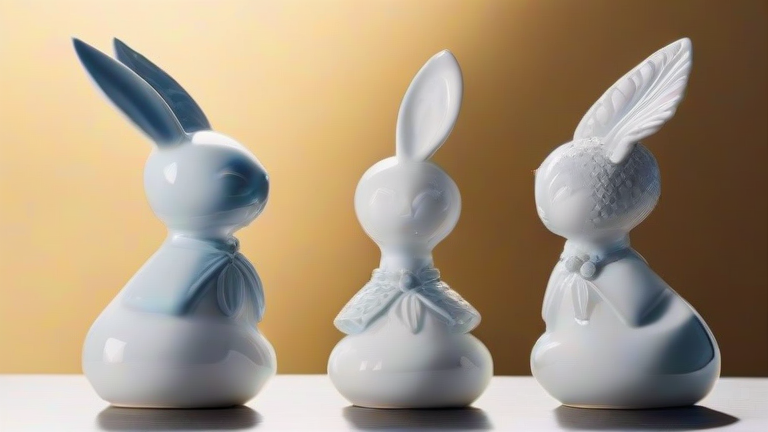
TL;DR: Timeless porcelain figurines are more than decorative dust-catchers—they are portable heirlooms that anchor a room’s narrative. By curating a small collection, you inject history, craftsmanship, and a personal travel story into your home’s aesthetic without a full renovation.
The Art of Slow Living, One Figurine at a Time
In an era of fast furniture and disposable décor, porcelain figurines offer a countercultural pause. These delicate sculptures, often hand-painted and fired in small batches, carry the weight of centuries—from Meissen’s 18th-century courtly scenes to contemporary Japanese kokeshi-inspired forms. Their presence whispers a slower, more intentional approach to personal space. Rather than filling a shelf with mass-produced trinkets, choose two or three pieces that tell a story: a tiny Venetian harlequin from a trip to Murano, a pastoral shepherdess from a Lisbon flea market, or a minimalist white crane that echoes a morning in Kyoto’s gardens. Each figurine becomes a tactile postcard, turning your living room into a curated gallery of memories.
If you want to dig deeper, check out our guide on Porcelain Figurine Sculpting: A Step-by-Step Beginner’s Tuto.
Cultural Roots and Travel-Inspired Curation
Porcelain’s global journey—from Chinese Tang dynasty tomb figures to Dutch Delftware—makes it a passport to cultural literacy. When you display a figurine, you’re not just decorating; you’re hosting a silent conversation about trade routes, kiln techniques, and regional aesthetics. For the traveler, collecting figurines is a mindful souvenir practice: instead of buying a generic magnet, you seek a local artisan’s work. A hand-glazed bull from a Spanish ceramics cooperative or a cobalt-blue bird from a Copenhagen studio adds depth to your bookshelf. Even without travel, you can curate a “virtual journey” by researching and commissioning pieces from emerging ceramicists online, supporting global craft while enriching your home’s visual rhythm.
Personal Growth Through Curation
Building a collection is a lesson in restraint and taste. It forces you to ask: What do I truly admire? A single, well-chosen figurine—say, a serene Buddha or a playful rabbit—can become a daily meditation point, a reminder to slow down and appreciate imperfection (the tiny glaze bubbles, the asymmetrical foot). This practice mirrors personal growth: you learn to edit, to value quality over quantity, and to find joy in small, durable objects. Place a figurine on a windowsill where morning light catches its contours, or on a bedside table as a visual anchor. Over time, these objects become emotional landmarks, grounding you in your own evolving story.
Practical Styling Tips
To elevate your aesthetic without clutter, group figurines in odd numbers (three or five) on a tray, or pair them with a single book and a small candle. Mix textures—matte porcelain next to rough linen or dark wood—to make the glaze pop. Avoid lining them up symmetrically; instead, create a small vignette with varying heights using a stack of books or a low vase. For a modern twist, choose a monochromatic set in cream or sage green, letting the sculptural form speak over the color. And remember: dust gently with a soft brush, never water, to preserve the finish.
FAQ
Q: Are porcelain figurines too fragile for homes with kids or pets?
A: Not necessarily—choose sturdy, low-to-the-ground pieces (like a solid animal or a chunky base) and place them on high shelves or inside a glass-front cabinet. Avoid delicate limbs or thin bases, and secure them with museum putty for extra safety.
Q: How do I know if a porcelain figurine is high quality?
A: Look for hand-painting details (fine brushstrokes, no smudges), a smooth, glossy glaze without bubbles, and a maker’s mark on the base. Heft matters—quality porcelain feels cool and dense, not hollow. If in doubt, buy from reputable artisans or auction houses.
Q: Can I mix
Leave a Reply