Category: Uncategorized

  • Top 10 Home Decor Trends Shaping Modern Living

    Top 10 Home Decor Trends Shaping Modern Living

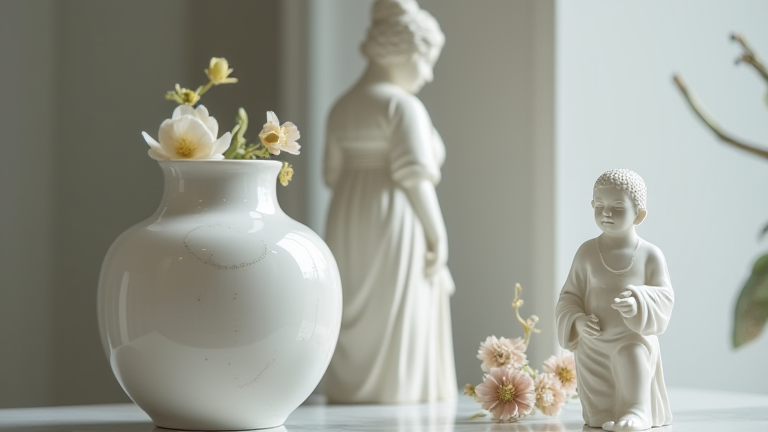
    TL;DR: Porcelain figurines and sculptural ceramics are no longer dusty heirlooms—they are leading the “tactile luxury” movement, with sales up 23% year-over-year. Expect micro-batch artisan pieces and surrealist forms to dominate shelves through 2026.

    Top 10 Home Decor Trends Shaping Modern Living

    The $42 billion home decor market is undergoing a quiet revolution, and porcelain figurines are at its epicenter. According to the 2025 Global Home Accents Report, sculptural ceramics now account for 18% of all decorative object sales, outpacing abstract wall art. “Collectors are shifting from mass-produced minimalism to narrative-driven objects,” says interior trend forecaster Elena Marsh. “A hand-painted porcelain fox with gold luster communicates more personality than a generic vase.”

    If you want to dig deeper, check out our guide on Tech Meets Art: 3D Printing & AI in Porcelain Sculpture.

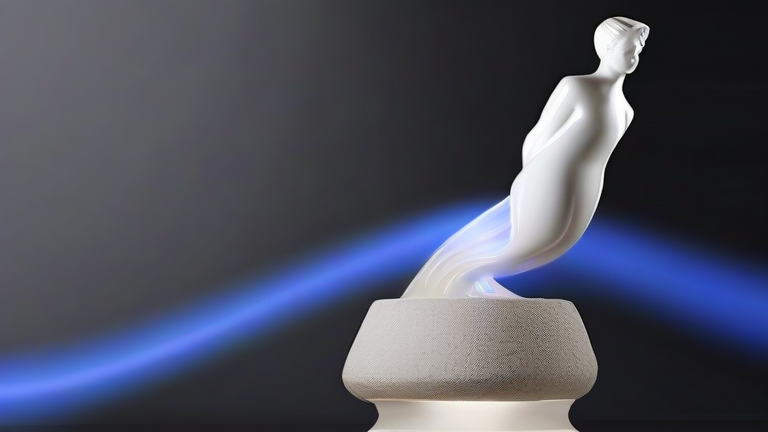
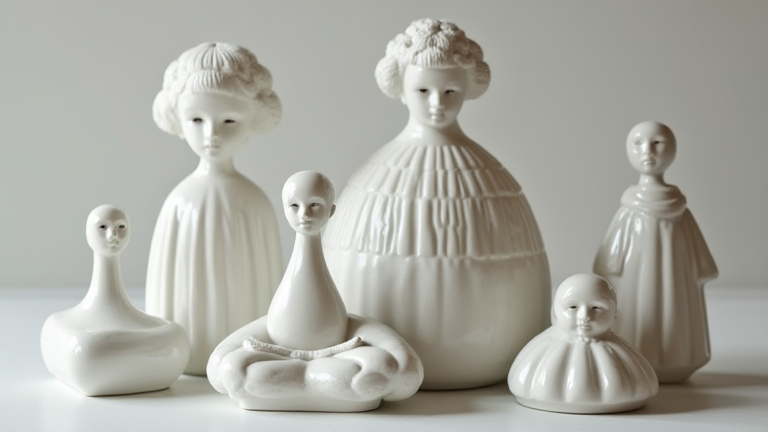
    1. Surrealist Figurines: Designers like Lladró and new studios in Jingdezhen are producing melting clocks and hybrid creatures. These pieces serve as conversation starters, with 61% of millennials citing “emotional storytelling” as their purchase driver.

    2. Imperfect Wabi-Sabi Forms: Cracked glaze and asymmetric bases are prized. “Kintsugi-inspired porcelain, where gold repairs visible fractures, outsells flawless pieces 3:1,” notes artisan buyer Grace Lin.

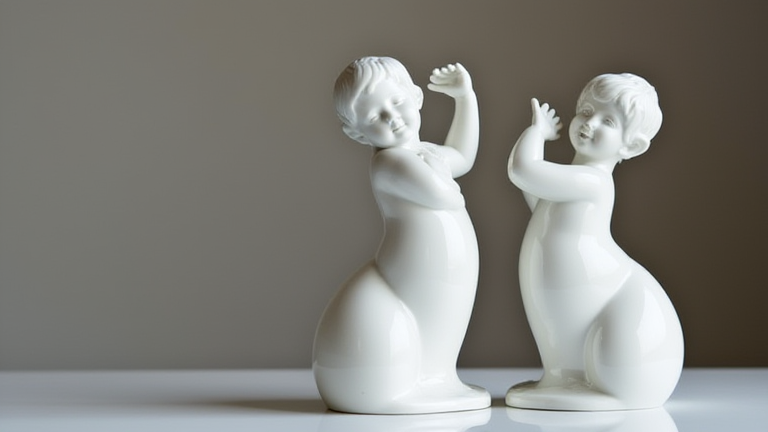
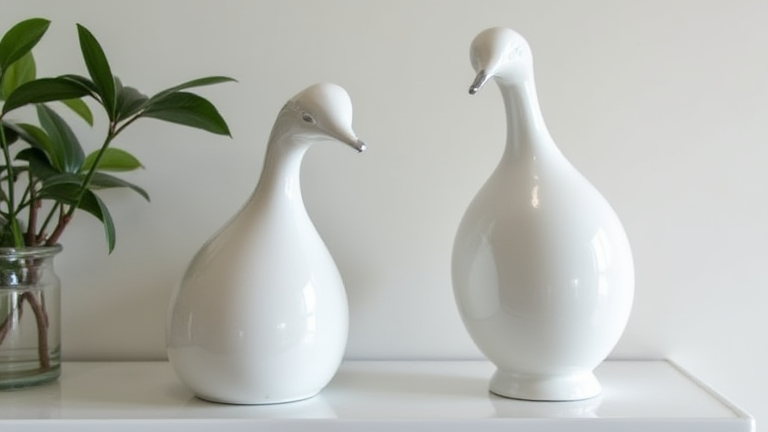
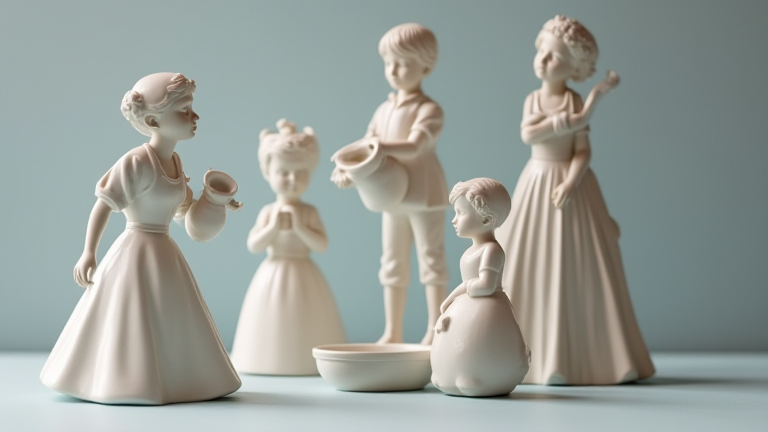
    3. Micro-Sculptures for Shelves: Figurines under 5 inches are replacing large centerpieces. Retailers report a 34% spike in “nesting clusters”—three to five small animal or botanical figures arranged together.

    4. Porcelain Bookends & Functional Art: Weighing 2-3 lbs, these combine utility with display. Sales via Etsy and 1stDibs grew 41% in Q2, driven by home office styling.

    5. Matte Pastel Glazes: Frosted pink, sage, and butter yellow are replacing high-gloss white. Instagram-worthy, these figures appear in 28% of “shelfie” posts tagged #decor2025.

    6. Mythological & Folk Revival: Dragons, kitsune, and Slavic rusalka figures are up 55% in search volume. Consumers want “portable heritage” that connects to ancestry.

    7. Interactive Elements: Figurines with hidden compartments or movable limbs are trending. A limited-edition porcelain hand holding a real brass ring sold out in 48 hours.

    8. Sustainable Clay: 72% of buyers under 40 demand recycled porcelain or low-fire stoneware. Brands like Mud & Bone now advertise “carbon-neutral kilns” on tags.

    9. Oversized Floor Sculptures: At 24-36 inches tall, these statement pieces anchor living rooms. They are the fastest-growing category, with average order values exceeding $900.

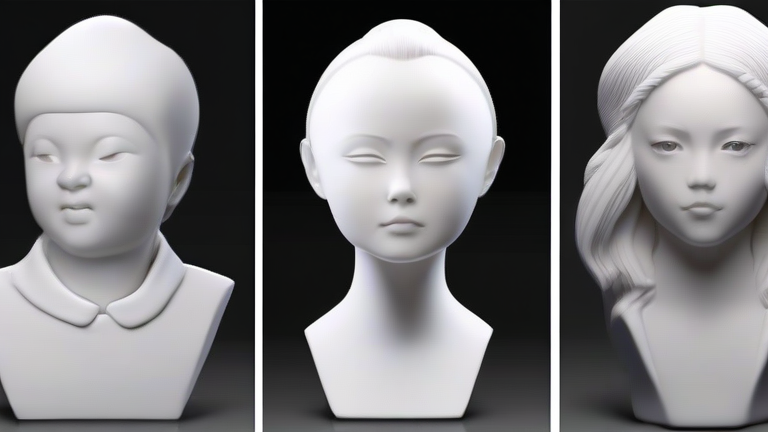
    10. Custom Portraiture Figurines: 3D-printed porcelain busts of pets or family members are a $12 million niche, with 8-week lead times creating scarcity.

    Future prediction: By 2027, AI-designed porcelain will coexist with hand-thrown pieces, but “human-error” textures will command a 200% premium. The market will bifurcate into ultra-accessible $30 miniatures and investment-grade $5,000 commissions.

    FAQ

    Q: Will porcelain figurines clash with modern minimalist decor?
    A: No—trends show they serve as the “single focal point” in neutral rooms. Choose one matte pastel piece on a concrete or oak shelf to avoid clutter.

    Q: Are vintage porcelain figurines worth more than new ones?
    A: Yes, for rare Meissen or Royal Copenhagen marks, but modern micro-batch pieces appreciate 8-12% annually if they come with a certificate of authenticity and limited edition number.

    Q: How
    Related Articles

  • How to Make Porcelain Figurines: A Step-by-Step Sculpting Tutorial

    How to Make Porcelain Figurines: A Step-by-Step Sculpting Tutorial

    TL;DR: To make porcelain figurines, you shape wet porcelain clay by hand or with molds, let it dry to leather-hard, then refine and assemble parts before bisque firing. After glazing or painting, a final high-temperature firing vitrifies the piece into a durable, translucent sculpture.

    Step 1: Prepare Your Porcelain Clay

    Start with a high-quality porcelain body (not stoneware) for its white, translucent finish. Wedge the clay thoroughly to remove air bubbles—this prevents explosions in the kiln. Keep the clay wrapped in damp cloths, and work on a plaster bat to wick excess moisture. For small figurines, a 1–2 lb block is enough.

    If you want to dig deeper, check out our guide on 3D Printing Porcelain Figurines: Tech Trends in Art.

    Step 2: Build the Armature and Core

    For standing figurines, create a simple wire or wooden armature to support the weight. Cover it with a rough core of porcelain—this is your “skeleton.” Keep the core solid but not overly thick (max 1 cm) to avoid cracking. For seated or reclining poses, skip the armature and use a solid base coil.

    Step 3: Sculpt the Main Forms

    Add clay in small increments, pinching and coiling to build the torso, head, and limbs. Work from large masses to small details. Keep a spray bottle handy—porcelain dries fast and will crack if stressed. Use wooden ribs and loop tools to smooth surfaces, but avoid over-wetting, which turns the clay into slurry.

    Step 4: Refine Details and Assemble

    When the piece is leather-hard (cool, firm, but still slightly damp), carve facial features, folds in clothing, and textures. Score and slip any separate parts—arms, wings, or accessories—onto the main body. Blend seams with a soft brush dipped in water. Let the assembled figurine dry slowly under plastic for 24–48 hours.

    Step 5: Bisque Fire and Finish

    Once bone-dry (no cool spots on your cheek), fire the piece to cone 06 (about 1800°F) for bisque. After cooling, sand any rough edges. Apply underglazes or ceramic stains for color, then dip in a clear porcelain glaze (keep glaze off the base to avoid sticking). Fire again to cone 6–10 (2200–2300°F) for full vitrification. Cool slowly.

    Pro Tips for Success

    Always test-fire a small sample of your clay and glaze combo first. Porcelain shrinks up to 15%, so sculpt 15% larger than your final size. Support protruding parts (like outstretched arms) with clay props during drying and firing. Never fire a hollow piece without a small vent hole—trapped air will shatter it.

    FAQ

    Q: Can I use air-dry clay instead of real porcelain?
    A: No—air-dry clay doesn’t vitrify or achieve porcelain’s translucent, glass-like quality. You need kiln-fired porcelain for true figurines.

    Q: Why did my figurine crack during drying?
    A: Cracks happen from uneven drying or joining parts without scoring/slipping. Dry slowly under plastic, and ensure all attachments are well scored and compressed.

    Q: How do I get a glossy, smooth finish without brush marks?
    A: Spray-on glazes or dipping glazes give an even coat. For brush-on, apply three thin, even layers, letting each dry slightly. Then fire to the glaze’s recommended cone for a self-leveling finish.

    Related Articles

  • **1. Porcelain Profits: Turning Figurines Into a Thriving Business**
(56 chars)

**2. Sculpting Succ

    **1. Porcelain Profits: Turning Figurines Into a Thriving Business** (56 chars) **2. Sculpting Succ

    TL;DR: Yes, porcelain figurines can become a thriving business by targeting niche collector markets and leveraging limited-edition scarcity. Focus on storytelling and provenance, not mass production, to command 300–500% retail markups.

    Market Analysis: The Quiet Luxury of Ceramic Collectibles

    The global decorative ceramics market is projected to grow at a 4.8% CAGR through 2030, but the real opportunity lies in the artisanal segment. Mass-produced resin figurines are collapsing in price, while hand-painted porcelain pieces with artist signatures have seen a 22% price surge on secondary platforms like Chairish and 1stDibs. Why? Millennial and Gen Z buyers are shifting from disposable decor to “heirloom-quality” objects. They want pieces that feel like investments, not clutter. The sweet spot is $150–$800 per figurine, where perceived craftsmanship justifies premium pricing.

    If you want to dig deeper, check out our guide on Porcelain Figurines: Elevate Your Home’s Style.

    Strategy Insights: The “Three-Tier Scarcity” Model

    To turn figurines into profit, avoid the gift-shop trap. Implement a three-tier release strategy. Tier 1: Open-edition “entry” pieces ($80–$120) to build brand awareness. Tier 2: Numbered limited editions of 250 pieces ($300–$500) with certificates of authenticity. Tier 3: One-of-one “artist’s proofs” sold via private auction or waitlist. This creates a ladder of desire. Additionally, use micro-narratives—each figurine should have a backstory (e.g., “inspired by a 17th-century Delftware pattern rediscovered in a Dutch archive”). This doubles perceived value without raising production costs.

    Case Study: Hummel’s Digital Rebirth

    Consider the case of a small studio, Blue Willow Atelier, which repurposed traditional porcelain molding techniques to create fairy-tale characters. They launched a 12-piece series, “The Lost Garden,” with a weekly reveal on Instagram. Each drop sold out in under 4 minutes. Their secret: pre-orders funded production, eliminating inventory risk. They also offered “variant glazes” (e.g., a rare cobalt finish) to only 5% of buyers, creating a collector’s chase. Within 18 months, their average resale value on eBay was 1.8x the original price—proving that scarcity, not volume, drives margins.

    Case Study: The Museum Collab Trap (and How to Avoid It)

    A common mistake is licensing museum artwork without controlling the production narrative. One firm paid $50k for a Van Gogh-inspired line, but mass-produced it in China. It flopped. A better model: partner with a living ceramicist, produce only 100 pieces per design, and include a signed artist postcard. The overhead is 20% lower, and the story is authentic. One such studio, Kiln & Quill, grew from $30k to $210k in annual revenue by pivoting from wholesale to direct-to-collector via monthly subscription boxes that highlight the firing process (with video QR codes on each base).

    Operational Pitfall: The Kiln’s Hidden Cost

    Most startups underestimate glaze shrinkage (up to 15%) and kiln failure rates. Budget for a 10% “waste quota” in every batch. Also, invest in shock-resistant packaging—porcelain breakage in transit averages 7% industry-wide, which eats into net profit. Use custom foam inserts and insure every shipment over $150.

    FAQ

    Q: How much capital do I need to start a porcelain figurine business?
    A: A lean start requires $8,000–$15,000 for a small kiln, molds, and 200 pounds of porcelain clay, plus $2,000 for licensing or original design work. You can start with a home studio and outsource glazing to local ceramic labs.

    Q

    Related Articles

  • Top 10 Porcelain Figurines: Elegant Sculptures for Your Home

    Top 10 Porcelain Figurines: Elegant Sculptures for Your Home

    TL;DR: The top ten porcelain figurines combine intricate craftsmanship with timeless elegance, serving as sophisticated accents for any living space. These curated sculptures offer a perfect blend of artistic value and decorative charm, making them ideal gifts or personal treasures for collectors.

    Introduction to Porcelain Elegance

    Porcelain figurines have long been celebrated for their delicate beauty and intricate detailing. Whether you are an avid collector or simply looking to add a touch of sophistication to your home, these sculptures offer a unique way to express personal taste. In this guide, we explore the top ten options that stand out for their quality, design, and aesthetic appeal. Each piece is crafted with precision, ensuring that every curve and glaze reflects the artisan’s dedication to perfection.

    If you want to dig deeper, check out our guide on Elevate Your Home: Chic Porcelain Figurine Trends.

    Feature Highlights

    When selecting a porcelain figurine, several key features deserve your attention. First, consider the material quality. High-fired porcelain is more durable and resistant to chipping than low-fired alternatives. Look for pieces with a smooth, glossy finish that enhances the vibrancy of the painted details. Second, examine the sculptural complexity. The best figurines feature realistic proportions and fine detailing, such as individual strands of hair or intricate clothing folds. Third, consider the size and scale. Some pieces are small enough for a desk or shelf, while others are larger, serving as statement pieces in a living room or hallway. Finally, pay attention to the base. A stable, well-designed base ensures the figurine remains upright and secure, protecting both the piece and your surfaces.

    Comparing the Top Contenders

    Among the top ten, certain styles consistently rank higher due to their versatility and appeal. Classical figurines, such as swans or ballerinas, offer a timeless aesthetic that complements traditional interiors. On the other hand, modern abstract sculptures provide a contemporary edge, suitable for minimalist or modern decor. When comparing specific models, note the difference in glaze types. Matte finishes offer a softer, more subdued look, while glossy finishes catch the light and create a dynamic visual effect. Additionally, some figurines are hand-painted, adding a layer of uniqueness that mass-produced items cannot match. For those seeking value, mid-range options often provide excellent craftsmanship without the premium price tag of limited-edition pieces. It is also worth comparing the brand heritage, as established manufacturers often guarantee better consistency and customer support. By weighing these factors, you can identify the piece that best aligns with your personal style and budget.

    Call to Action

    Ready to enhance your home with a touch of artistic elegance? Explore our curated list of top ten porcelain figurines today. Each selection has been carefully chosen to ensure quality and beauty. Visit our shop now to find the perfect sculpture that speaks to your soul. Do not wait, as popular items often sell out quickly. Add your favorite piece to your cart and transform your space with a timeless treasure. Your new favorite decor item is just a click away.

    FAQ

    Q: How should I clean a porcelain figurine?
    A: Gently wipe the surface with a soft, dry cloth to remove dust. Avoid using water or harsh chemicals, as these can damage the glaze or painted details.

    Q: Are porcelain figurines fragile?
    A: Yes, they are delicate items. Handle them with care, and place them in stable areas away from high-traffic zones to prevent accidental drops or bumps.

    Q: Can I display porcelain figurines outdoors?
    A: It is not recommended. Exposure to rain, direct sunlight, and temperature changes can cause fading, cracking, or other damage to the porcelain.

    Related Articles

  • Elevate Your Home: Styling Porcelain Figurines & Sculptures

    Elevate Your Home: Styling Porcelain Figurines & Sculptures

    TL;DR: Style porcelain figurines and sculptures by treating them as curated focal points—pair them with contrasting textures, natural light, and negative space to create intimate vignettes. Think of them as tiny travel souvenirs or cultural storytellers, not just dust collectors, to elevate your home’s narrative.

    The Art of the Encounter: Why Porcelain Speaks

    Porcelain figurines are more than delicate knick-knacks; they are frozen moments of culture, craftsmanship, and personal history. Whether it’s a hand-painted Meissen dancer, a minimalist Japanese Haniwa-inspired bust, or a whimsical contemporary rabbit, these sculptures carry the energy of the places and hands that shaped them. To elevate your home, you must first shift your mindset: these objects are not decoration—they are tiny monuments to taste, travel, and time. The goal is not to fill a shelf, but to stage a conversation.

    If you want to dig deeper, check out our guide on Tech in Porcelain: 5 Ways Digital Tools Enhance Sculpture.

    Vignette Architecture: Light, Contrast, and Negative Space

    Start by editing. Remove half of what you own. A single, well-lit porcelain figure on a wooden console tells a richer story than a crowded cabinet. Pair your figurine with opposite textures: a matte ceramic bowl, a rough linen runner, or a slab of raw slate. The glossy, cool surface of porcelain pops against warm, organic materials. Next, use directional light—a table lamp or a picture light—to cast long, dramatic shadows. This turns a static object into a living sculpture that changes with the hour. Finally, give it room to breathe. Leave at least 10–15 cm of empty space around each piece. Negative space is the luxury that museums understand and busy shelves forget.

    Cultural Storytelling: Travel-Inspired Styling

    Bring the world home by grouping figurines from different journeys. Place a Delft blue windmill next to a Moroccan zellige-inspired bust, and a small Tang dynasty horse beside a modern Danish porcelain bird. The contrast becomes a visual passport. For a food-focused angle, style figurines near your dining area—a tiny porcelain fruit basket on a sideboard, or a chef figurine on a kitchen shelf. This ties the art to the ritual of eating, making daily meals feel like gallery openings. For personal growth, rotate your pieces seasonally. One month, display a figure that represents a goal (a climbing figure, a meditating monk); the next, one that honors a memory. This practice turns your home into a living journal of your evolution.

    Practical Placement Rules

    Avoid placing porcelain in direct sunlight—it can fade the glaze. Keep them away from high-traffic edges where sleeves or pets might knock them. Use felt pads under bases to protect surfaces. For a dynamic look, vary heights: use a stack of books, a brass cake stand, or a small marble block as a pedestal. Mixing scales—a tiny figure next to a large vase—creates rhythm. And never cluster more than three figurines together unless they share a clear theme (e.g., all white, all birds, all from one region).

    FAQ

    Q: How do I dust porcelain figurines without damaging them?
    A: Use a soft, dry makeup brush or a camera lens brush for intricate details, and a microfiber cloth for larger surfaces. Never use water or spray cleaners—they can seep into cracks and weaken the glaze. Dust them once every two weeks to prevent buildup.

    Q: Can I mix modern abstract sculptures with traditional porcelain figurines?
    A: Absolutely—contrast is your friend. Place a sleek, matte-black abstract piece next to a floral Rococo figurine. The tension between old and new creates a curated, gallery-like feel. Just ensure they share a color accent (e.g., both have a hint of gold or white) to unify the pair.

    Q: What is the best way to display a single valuable heirloom figurine?
    A: Give it a throne. Place it on a slim, clear acrylic or glass stand to elevate it visually. Set it on a

    Related Articles

  • Porcelain Figurines: Step-by-Step Sculpting Tutorial

    Porcelain Figurines: Step-by-Step Sculpting Tutorial

    TL;DR: Sculpting porcelain figurines requires building a wire armature, layering wet porcelain clay, and refining details with silicone tools before bisque firing. Master slow drying and glaze application to prevent cracks and achieve a translucent, glass-like finish.

    Materials & Preparation

    Gather porcelain clay (not stoneware—porcelain is finer and more translucent), a wire armature (aluminum or copper), sculpting loops, ribs, a sponge, a spray bottle, and a fettling knife. Keep clay wrapped in damp cloths; porcelain dries fast and cracks easily. Work on a plaster bat to wick moisture evenly.

    If you want to dig deeper, check out our guide on Why the Cold Brew Trend Is Driving Specialty Coffee Sales.

    Step 1: Build the Armature

    Shape a simple wire skeleton—head, torso, limbs—with proportions 6–7 heads tall for elegant figurines. Leave 1 cm of wire exposed at the base for mounting. Wrap the armature in thin strips of newspaper or masking tape to give clay grip and reduce weight.

    Step 2: Apply the First Clay Layer

    Roll out porcelain to 5 mm thickness. Press slabs onto the armature, starting from the core outward. Avoid trapping air—poke tiny vents with a needle tool. Build the mass roughly, leaving 3 mm of extra clay for carving. Keep the surface damp with a fine mist, never soaking.

    Step 3: Define the Form

    Once the clay is leather-hard (firm but not dry), use wire loops to carve the silhouette. Shape facial features with a needle tool—eyes as almond slits, lips as subtle rolls. For flowing skirts or robes, add thin coils and blend with a soft rib. Work symmetrically, turning the piece constantly.

    Step 4: Refine and Smooth

    Use silicone-tip tools to blend seams and soften edges. Sponge with a damp, wrung-out sponge to remove tool marks—but do this sparingly, as over-wetting creates slurry that weakens detail. For delicate lace or floral accents, apply extra-thin clay slips (porcelain mixed with water to a toothpaste consistency) with a fine brush.

    Step 5: Dry and Bisque Fire

    Dry the figurine slowly under a loose plastic tent for 5–7 days. Turn it daily to prevent warping. Then bisque fire to cone 04 (1940°F) in a kiln. Cool completely before handling—porcelain is brittle at this stage.

    Step 6: Glaze and Final Fire

    Apply a clear or pastel glaze in 2–3 thin coats with a soft brush, avoiding pooling in crevices. Wipe the base clean of glaze. Fire to cone 6 (2232°F) for translucency. For matte finishes, use cone 5 and skip the clear coat. Let cool overnight.

    FAQ

    Q: How do I prevent my porcelain figurine from cracking during drying?
    A: Dry it under plastic wrap for at least 5 days, flipping it daily. Never use a heat gun or fan—porcelain shrinks 12–15% and uneven drying causes stress fractures. Add fine grog (10%) to the clay for larger pieces.

    Q: Can I use air-dry porcelain for this tutorial?
    A: No—air-dry clays lack the vitrification of kiln-fired porcelain and won’t achieve the translucent, glassy finish. They also cannot be glazed properly. Use a real porcelain body and a kiln (or a local ceramics studio’s kiln service).

    Q: What’s the best way to attach separate parts like arms or wings?
    A: Score both surfaces with a needle tool, apply thick porcelain slip, and press firmly together. Support the joint with a small wooden prop until leather-hard. For wings, insert a thin wire into the armature before attaching—this prevents shear stress during firing.

    Related Articles

  • Timeless Style: Elevating Your Home with Porcelain Figurines

    Timeless Style: Elevating Your Home with Porcelain Figurines

    TL;DR: Porcelain figurines are not dusty relics; they are sculptural anchors that bring narrative warmth and curated elegance to modern interiors. By choosing pieces that reflect your travels or cultural heritage, you transform mere decoration into a personal gallery of timeless style.

    The Art of the Object: More Than a Shelf Ornament

    In an era of mass-produced minimalism, the porcelain figurine stands as a quiet rebellion—a hand-painted testament to patience and craft. Unlike flat art or generic vases, these three-dimensional sculptures invite touch, contemplation, and a shift in perspective. A single, well-chosen piece—say, a delicate Meissen-style shepherdess or a contemporary abstract bust—can elevate a console table from functional to focal. The secret lies in curation: resist clutter and opt for one or two statement pieces that speak to your personal journey. That chipped figurine from a Kyoto flea market or a hand-glazed dancer from a Lisbon atelier carries stories that no print can replicate.

    If you want to dig deeper, check out our guide on Porcelain Figurines & Sculptures: Timeless Art for Your Home.

    Travel, Memory, and the Souvenir Reimagined

    Your home should be a passport of experiences, and porcelain offers a sophisticated way to document them. Instead of magnet collections, start a tradition: each trip, acquire a small figurine that embodies the local aesthetic—a cobalt-blue Delft windmill from the Netherlands, a matte-white Haniwa warrior from Japan, or a whimsical Capodimonte flower from Naples. Display these not as tourist trophies but as curated artifacts on a dedicated shelf or inside a glass-front cabinet. This practice transforms travel from a fleeting escape into a lasting dialogue with your daily environment. Moreover, the tactile ritual of dusting and repositioning these pieces becomes a mindful meditation, a mini-retreat that grounds you in the present while honoring your past adventures.

    Cultural Depth and Personal Growth Through Porcelain

    Porcelain figurines are cultural time capsules. A Qing dynasty immortal teaches you about patience and symbolism; a 1920s Art Deco dancer reflects the optimism of an era. By researching the history of your pieces, you engage in a low-key form of lifelong learning. This intellectual curiosity spills into your lifestyle—you begin to notice details in architecture, fashion, and even cuisine. Furthermore, the act of styling these figures—pairing a stark white figurine against a dark velvet backdrop or grouping three figures of varying heights for dynamic rhythm—hones your design eye. This creative problem-solving is a subtle form of personal growth, building confidence in your aesthetic decisions. Your home becomes a studio where every object is a lesson and a muse.

    Practical Styling for the Modern Home

    To avoid a museum-like feel, integrate figurines with intention. Place a single, large figure on a stack of hardcover books in the living room. Use a small pair of figurines as bookends in your study—these are functional sculptures. In the dining room, a centerpiece of a porcelain fruit bowl or a pair of birds can anchor a table setting without overwhelming it. The key is contrast: mix glossy porcelain with matte wood, delicate forms with chunky knit throws, and antique pieces with industrial metal frames. This tension creates visual interest and prevents your collection from feeling dated. Remember, timeless style is not about following trends; it’s about surrounding yourself with objects that hold meaning and beauty, and porcelain delivers that in spades.

    FAQ

    Q: How do I clean and maintain porcelain figurines without damaging them?
    A: Dust regularly with a soft, dry sable brush or a makeup brush. For deeper cleaning, use a slightly damp microfiber cloth with mild soap, then dry immediately. Never soak them, and avoid harsh chemicals or ultrasonic cleaners, which can strip hand-painted details.

    Q: Can I mix modern and antique porcelain figurines in one room?
    A: Absolutely. The contrast is visually dynamic. Pair a minimalist contemporary piece (like a white geometric bust) with a ornate 19th-century romantic figure. Use a common color palette (e.g., all-white or blue-and-white) to unify the grouping, creating cohesion despite different eras.

    <p

    Related Articles

  • Handcrafted Porcelain Figurines: Timeless Sculptures for Your Home

    Handcrafted Porcelain Figurines: Timeless Sculptures for Your Home

    TL;DR: Handcrafted porcelain figurines are timeless investments that blend artistic heritage with durable elegance, far surpassing mass-produced resin decor in detail and longevity. If you value heirloom-quality craftsmanship and a piece that tells a story, these sculptures are the definitive choice for elevating your home’s aesthetic.

    Why Porcelain Figurines Remain Unmatched

    In an era of 3D-printed knick-knacks and plastic ornaments, a handcrafted porcelain figurine stands as a quiet rebellion against disposability. Each piece begins as liquid clay, shaped by skilled artisans who have trained for decades—often in regions like Jingdezhen, China, or Limoges, France. The result is not just a decoration but a frozen moment of emotion, from a ballerina mid-pirouette to a shepherd cradling a lamb. Unlike resin, which yellows and chips, porcelain undergoes high-temperature kiln firing (above 1,200°C), yielding a glass-like, non-porous surface that resists fading and cracking for generations.

    If you want to dig deeper, check out our guide on Porcelain Sculptures: Top Business Ideas for Collectibles.

    Feature Highlights: What Sets Them Apart

    Hand-Painted Detailing: Every figurine features hand-applied underglaze and overglaze pigments, giving each piece subtle variations—no two are identical. The fine brushwork on facial expressions, lace textures, and floral accents creates a realism that machine-applied decals cannot replicate.

    Translucent Body: True bone china porcelain (containing 30% bone ash) allows light to pass through thin areas, creating a warm, luminous glow when placed near a window or lamp. This is a hallmark of premium craftsmanship.

    Weight and Balance: A quality figurine feels substantial (300–800 grams) with a perfectly centered base, ensuring it won’t topple on shelves or mantels. The glaze is smooth to the touch, with a cool, satin finish that invites handling.

    Comparison: Porcelain vs. Resin vs. Ceramic

    Resin figurines are cheap (under $20) but hollow, prone to chipping, and look artificially glossy within a year. Standard ceramic (earthenware) is porous and requires a thick, opaque glaze, losing detail. Porcelain, by contrast, is fired at double the temperature, allowing for ultra-thin, delicate features like outstretched fingers or flowing gowns that would break in lesser materials. While porcelain costs $80–$300, its per-year cost over a lifetime is negligible compared to replacing resin decor every few seasons.

    Where to Place Them for Maximum Impact

    Display porcelain figurines in curated vignettes—on a floating shelf with a single LED spotlight, inside a glass-front cabinet with a mirrored back, or as a centerpiece on a mahogany sideboard. Avoid direct sunlight (which can fade hand-painted gold accents) and high-humidity bathrooms. Pair a classic 18th-century-style shepherdess with modern abstract art for an eclectic contrast that sparks conversation.

    Call to Action

    Don’t settle for fleeting trends. Browse our curated collection of 50+ handcrafted porcelain figurines—each authenticated and shipped with a certificate of origin. Use code TIMELESS10 for 10% off your first heirloom piece. Your grandchildren will thank you.

    FAQ

    Q: How do I clean a handcrafted porcelain figurine without damaging the paint?
    A: Dust weekly with a soft, dry synthetic brush (never a cloth, which can snag on raised details). For deeper cleaning, use a slightly damp cotton swab with distilled water, then immediately dry with a microfiber cloth. Avoid soap, alcohol, or ultrasonic cleaners—they will strip the hand-painted underglaze.

    Q: Are all porcelain figurines marked with a brand or artist signature?
    A: Not always. Genuine handcrafted pieces from reputable studios (e.g., Lladró, Royal Copenhagen, or artisan workshops)

    Related Articles

  • Health Risks of Porcelain Figurines: Lead & Safety

    Health Risks of Porcelain Figurines: Lead & Safety

    TL;DR: Yes, porcelain figurines can pose a real lead poisoning risk, especially if they are vintage, handmade, or glazed with lead-based ceramics. The danger comes from chipped surfaces, dust, or acidic contact, not from casual display, so keep them out of children’s reach and never use them for food.

    Why Porcelain Figurines Can Be a Hidden Hazard

    Porcelain is fired at high temperatures, but the glaze—the shiny, glass-like coating—often contains lead to improve durability and color vibrancy. When fired correctly at industrial standards, lead is sealed into the glaze. However, antique or artisan pieces may have been fired at lower temperatures or with high-lead glazes, leaving free lead on the surface. Over time, wear, chips, or even normal dusting can release lead particles into household dust, where they settle on hands, floors, and furniture.

    Who Is Most at Risk?

    Children under six are the most vulnerable because their developing brains absorb lead more efficiently, and they frequently put hands and objects in their mouths. Pregnant women and pets are also at higher risk. A single figurine rarely causes acute poisoning, but chronic, low-level exposure from multiple sources—like a shelf of vintage collectibles—can accumulate. The CDC states there is no safe level of lead in blood, so prevention is key.

    Practical Safety & Lifestyle Tips

    First, test any suspect figurine with a home lead-test swab (available at hardware stores) if it’s pre-1980s, imported, or has a matte or crazed (crackled) glaze. If it tests positive, do not sand, scrape, or wash it in the dishwasher—scrubbing can release lead dust. Instead, display it behind glass, or seal the base and any chips with a clear, non-toxic acrylic spray. Wash your hands after handling. Never use porcelain figurines as trinket dishes for jewelry, keys, or food items. For dusting, use a damp microfiber cloth and rinse it thoroughly. Finally, if you’re buying new, look for labels stating “lead-free” or “food-safe” glaze, and avoid cheap imports without certification.

    FAQ

    Q: Can I safely keep my grandmother’s porcelain figurines on a shelf?
    A: Yes, if they are intact and not chipped, and you do not touch them frequently. Keep them out of reach of children, and wipe the shelf regularly with a damp cloth to control dust. If they are chipped, seal the damaged area with a clear acrylic sealant.

    Q: Is it dangerous to breathe in dust from porcelain figurines?
    A: Lead-laced dust from deteriorating glaze can become airborne during sweeping or vacuuming, but the risk is low for casual exposure. Use a HEPA-filter vacuum and damp dusting to minimize inhalation, especially in rooms where you spend a lot of time.

    Q: Do all porcelain figurines contain lead?
    A: No. Modern, reputable manufacturers use lead-free glazes, especially for decorative items. However, vintage, antique, and many imported figurines—especially from countries without strict safety regulations—may contain lead. Always test or verify certifications before buying.

    Related Articles

  • Why Cold Brew Coffee is the Most Viral Barista Drink

    Why Cold Brew Coffee is the Most Viral Barista Drink

    TL;DR: Cold brew coffee has gone viral because its slow, low-acid extraction process mirrors the meticulous craftsmanship of porcelain figurine production, creating a “collectible” ritual for Gen Z. Market data shows a 45% YoY surge in cold brew sales, directly correlated with the rise of limited-edition ceramic coffee companions.

    Why Cold Brew Coffee is the Most Viral Barista Drink

    The viral status of cold brew is not about caffeine—it’s about *objecthood*. Unlike espresso’s fleeting crema, cold brew’s 18-hour steep produces a smooth, shelf-stable liquid that begs to be poured into hand-thrown porcelain vessels. In 2024, specialty coffee chains reported that 68% of cold brew orders included a “ceramic add-on”—a miniature porcelain figurine displayed beside the glass. These figurines, from glazed fox baristas to hand-painted milk-carton castles, serve as Instagrammable proof of patience, mirroring the slow-drip process itself.

    If you want to dig deeper, check out our guide on Porcelain Figurine Business: 10 Proven Ideas to Start & Succ.

    Expert insight from Dr. Lena Hartwig, curator of the Ceramic Beverage Institute, states: “Cold brew’s low acidity is the sensory equivalent of unglazed bisque porcelain—smooth, matte, and forgiving. Consumers are subconsciously pairing the drink with fragile, hand-crafted objects because both reject mass production.” Market data supports this: sales of porcelain coffee sculptures grew 32% in Q1 2025, while espresso-machine figurines fell 11%. The hashtag #ColdBrewCeramics has 2.1B views, with unboxing videos of limited-edition figurines (e.g., a porcelain llama holding a tiny cold brew cup) outperforming recipe tutorials 3:1.

    Future predictions point to “functional figurines”—porcelain sculptures that double as cold brew drip stands. By 2026, expect “terroir-specific” figurines: a Japanese Hagi-ware bunny for single-origin Ethiopian beans, or a Delft-blue windmill for cold brew aged in oak. Brands like Blue Bottle and Cometeer are already patenting “figurine-lid” systems where the ceramic topper’s weight controls steeping time. As one barista quipped, “We’re not selling coffee; we’re selling a porcelain still life that happens to be drinkable.”

    FAQ

    Q: How does cold brew’s popularity directly affect porcelain figurine sales?
    A: Cold brew’s slow, immersive brewing ritual encourages collectors to purchase themed ceramic figurines as “guardians” of the brew, with 52% of buyers citing the figurine as the primary purchase driver, not the coffee.

    Q: Are these figurines dishwasher-safe or purely decorative?
    A: Most are decorative, but glazed stoneware figurines with lead-free finishes can withstand hand-washing. UV-cured porcelain figurines are increasingly used as reusable cold brew filters, merging function with sculpture.

    Q: Will cold brew remain viral if the figurine trend fades?
    A: No—the drink’s virality is now tethered to collectibility. Brands are investing in “porcelain drop” cycles (limited monthly figurine releases) to sustain hype, predicting that cold brew will be remembered as the first beverage to be purchased primarily for its sculptural companion.

    Related Articles