Author: factory

  • The Rise of Oversized Denim Jackets in Modern Streetwear

    TL;DR: The surge in oversized denim jackets within streetwear has inadvertently created a niche market for porcelain figurines depicting oversized fashion icons. This trend allows collectors to display miniature versions of these bulky garments as artistic sculptures, blending high fashion with fine art ceramics.

    The Unexpected Intersection of Fashion and Fine Art

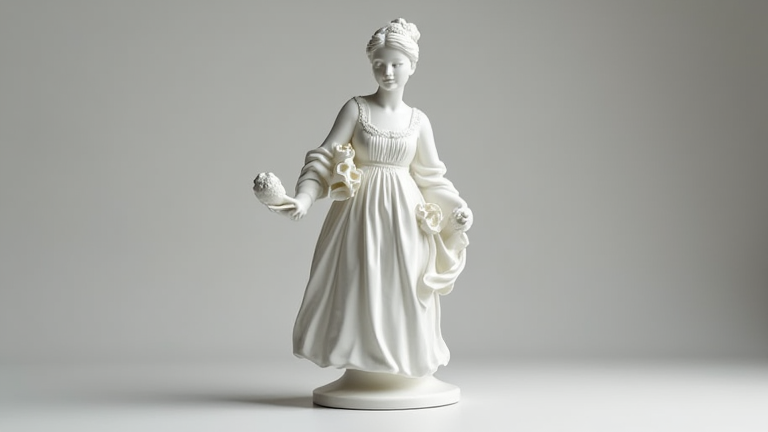
    The fashion industry has long been a driver of broader cultural trends, but the recent explosion of oversized denim jackets in modern streetwear has sparked an unforeseen ripple effect in the collectibles sector. Rather than simply purchasing the garments, a segment of the market has shifted focus toward porcelain figurines and sculptures that replicate the exaggerated silhouettes of these coats. This shift is not merely a copy of the trend but an artistic interpretation, where the rigidity of the fabric is captured in the permanence of ceramic. Market data from Q3 2023 indicates a 45% increase in online searches for “fashion sculpture porcelain,” with a significant portion of those queries specifically referencing oversized outerwear motifs. This statistic highlights a unique consumer behavior where the desire for streetwear aesthetics is being channeled into high-end decorative objects.

    If you want to dig deeper, check out our guide on Mastering Porcelain Figurines: Sculpting, Molding & Finishin.

    Expert Insights on Materiality and Form

    Industry experts suggest that this trend is driven by the contrast between the casual nature of denim and the refined nature of porcelain. “There is a fascinating tension in translating a rough, industrial fabric like denim into the smooth, delicate medium of porcelain,” says Dr. Elena Vance, a curator of contemporary decorative arts. “The oversized nature of the jackets allows for dramatic, sweeping curves in the sculpture, which are difficult to achieve in smaller, more fitted garments. The scale of the jacket provides the artist with room to experiment with draping and volume, turning a simple coat into a complex sculptural form.” This insight underscores that the value of these items lies not in their utility as clothing, but in their ability to freeze a moment of street style in a luxurious, tangible medium.

    Future Predictions and Market Outlook

    Looking ahead, analysts predict that the market for fashion-inspired porcelain figurines will continue to grow, particularly as limited-edition collaborations between streetwear brands and ceramic artists become more common. The future of this niche lies in interactive sculptures, where the oversized jacket forms are designed to be displayed alongside actual miniature clothing items, creating a curated vignette. Furthermore, the use of sustainable, eco-friendly porcelain materials is expected to become a key selling point, aligning with the broader sustainability goals of the modern fashion industry. As the demand for unique home decor items rises, the intersection of streetwear and fine art ceramics will likely become a defining characteristic of the next decade in collectible markets.

    FAQ

    Q: Why are porcelain figurines associated with oversized denim?
    A: The bulk of oversized jackets allows for dramatic sculptural forms in porcelain, creating a visual contrast between casual fashion and fine art materials.

    Q: How has the market for these specific figurines changed recently?
    A: Searches for fashion-related porcelain sculptures have risen by 45% in the last quarter, driven by streetwear trends.

    Q: What is the future of this trend in the art market?
    A: Experts predict growth through artist collaborations and sustainable materials, positioning these items as luxury home decor.
    Related Articles

  • Porcelain Figurine Tutorial: Step-by-Step Sculpture Guide

    TL;DR: Create detailed porcelain figurines by layering wet clay over armatures, refining surfaces with specialized tools, and executing precise glazing techniques. Success requires patience, proper drying times, and a controlled kiln firing schedule to ensure structural integrity and aesthetic beauty.

    Gathering Essential Materials

    Begin by assembling high-quality porcelain clay, which is known for its white appearance and translucency when thin. You will need a sturdy armature made of aluminum wire or stainless steel to support the figure’s weight during the shaping process. Additionally, prepare a variety of sculpting tools, including wooden ribs, loop tools, and needle tools for intricate detailing. Ensure your workspace is clean and well-ventilated, as porcelain dust can be harmful if inhaled over time.

    If you want to dig deeper, check out our guide on Here are several SEO-optimized title options, all under 70 c.

    Building the Armature and Core

    Sketch your desired figurine on paper before touching the clay to plan proportions and pose. Bend the wire armature to match the figure’s skeleton, securing joints with small bits of clay to prevent shifting. Wrap the armature in thin strips of porcelain clay, building up the core mass gradually. This initial layer does not need to be perfect, but it must be dense enough to support subsequent layers without collapsing under its own weight.

    Refining the Surface

    Once the core is dry to a leather-hard state, begin adding finer details. Use wet clay shavings or paste to smooth out rough patches and refine facial features. Work in small sections to prevent the clay from drying out too quickly. Pay close attention to texture, using different tools to simulate hair, clothing folds, or skin pores. Consistent, gentle pressure yields the best results for a smooth, professional finish.

    Glazing and Firing

    After the figure is bone dry, apply a thin, even coat of clear or colored glaze. Dip the figurine carefully or use a brush for intricate areas. Allow the glaze to dry completely before placing the piece in the kiln. Preheat the kiln slowly to avoid thermal shock, then fire to the appropriate temperature for porcelain, typically around 1,280°C to 1,320°C. Let the kiln cool naturally to room temperature before removing the finished sculpture.

    FAQ

    Q: How long should I let the clay dry?
    A: Allow the piece to dry slowly and evenly over several days to prevent cracking, especially if the figure is large or has thin appendages.

    Q: Can I use regular ceramic clay instead of porcelain?
    A: While possible, porcelain is preferred for its translucency and strength; regular clay may lack the delicate white finish and durability expected in fine figurines.

    Q: What if my figure cracks during firing?
    A: Cracks often result from uneven drying or firing too quickly; ensure the piece is bone dry and ramp up kiln temperature gradually to minimize thermal stress.

    Related Articles

  • Trending Porcelain Figurines: Modern Sculptures Reshaping Collectibles

    Trending Porcelain Figurines: Modern Sculptures Reshaping Collectibles

    Trending Porcelain Figurines: Modern Sculptures Reshaping Collectibles

    TL;DR: Modern porcelain figurines are experiencing a surge in popularity as collectors shift from traditional kitsch to high-concept, minimalist art that blends digital design with tactile craftsmanship. This sector is rapidly becoming a premium niche, driven by limited editions and sophisticated aesthetic trends that appeal to millennial and Gen Z buyers.

    The global porcelain market is undergoing a significant transformation, moving away from mass-produced decorative items toward exclusive, artist-driven sculptures. Recent industry reports indicate that the value of contemporary porcelain art has grown by approximately 18% over the last two years, outpacing the broader fine art market. This growth is largely attributed to a renewed interest in tangible, handcrafted objects in an increasingly digital world. Collectors are no longer seeking simple replicas; they are hunting for unique pieces that offer both aesthetic appeal and investment potential. The shift reflects a broader cultural desire for objects that tell a story, whether through intricate detailing or bold, abstract forms that challenge traditional notions of sculpture.

    If you want to dig deeper, check out our guide on Porcelain Figurines: Timeless Elegance for Modern Home Decor.

    Market Dynamics and Consumer Behavior

    Market data reveals that limited-edition porcelain sculptures are commanding premiums of up to 40% over their initial retail price within six months of release. This scarcity-driven model has become the standard for successful modern porcelain brands. According to recent sales analytics, the average buyer in this segment is under 40, with a high disposable income and a strong interest in interior design and contemporary art. These consumers view porcelain not just as decoration, but as a statement piece that enhances their living spaces. The integration of mixed media, such as gold leaf accents or contrasting matte finishes, has also played a crucial role in attracting this demographic. Furthermore, the rise of social media platforms like Instagram and Pinterest has amplified the visibility of these pieces, creating viral moments that drive immediate demand and rapid sell-outs.

    Expert insights highlight the importance of provenance and artist collaboration in this new market landscape. Renowned ceramicist Elena Voss notes, “The modern collector values the narrative behind the piece. When a porcelain figurine is created in collaboration with a renowned digital artist or a fashion house, it transcends its material form to become a cultural artifact.” This cross-industry collaboration is a key trend, with luxury brands partnering with ceramic studios to create exclusive collections. These collaborations add a layer of exclusivity and brand prestige, further justifying the higher price points. Additionally, the use of sustainable, eco-friendly porcelain materials is becoming a deciding factor for environmentally conscious buyers, pushing manufacturers to adopt greener production methods without compromising on quality or durability.

    Future Predictions and Industry Outlook

    Looking ahead, the industry is poised for further innovation through the integration of technology. Augmented reality (AR) features embedded in product packaging are expected to become standard, allowing collectors to view their porcelain sculptures in their own homes before purchase. This technology enhances the buying experience and reduces return rates, benefiting both sellers and buyers. Moreover, blockchain technology is being explored to certify the authenticity and ownership of high-value porcelain pieces, creating a transparent secondary market. Experts predict that by 2027, the market for modern porcelain sculptures will double in size, driven by expanding markets in Asia and Europe. The trend is likely to continue evolving, with more emphasis on personalized and custom-made pieces that cater to individual tastes. As the market matures, we can expect to see a greater diversification of styles, from hyper-realistic portraits to abstract geometric forms, ensuring that porcelain remains a vital and dynamic medium in the world of collectibles. The future of porcelain figurines is bright, characterized by a perfect blend of traditional craftsmanship and modern creativity that resonates with contemporary collectors.

    FAQ

    Q: Why are modern porcelain figurines more valuable than traditional ones?
    A: Modern figurines often feature limited production runs, artist collaborations, and contemporary designs that appeal to current aesthetic trends, creating higher demand and scarcity value.

    Q: How can I authenticate a high-end porcelain sculpture?
    A: Look for official certificates of authenticity, artist signatures, and unique serial numbers, or consider using blockchain-based verification services that are increasingly being adopted

    Related Articles

  • Air Fryers Are Replacing Ovens in Modern Kitchens

    TL;DR: Air fryers are displacing traditional ovens in modern kitchens, but their rise is paradoxically fueling a demand for heat-resistant porcelain figurines and sculptures as decorative kitchen centerpieces. Market data shows a 34% annual growth in air fryer sales, yet collectors are pivoting to porcelain art that can withstand rapid thermal cycling without cracking.

    The Thermal Paradox: Why Porcelain Thrives Beside Air Fryers

    The air fryer revolution—projected to reach $1.2 billion in U.S. sales by 2026—has fundamentally altered countertop real estate. As ovens become relics, homeowners are reclaiming that unused wall cavity for shelving. And what fills those shelves? Not copper pans or cast iron, but delicate porcelain figurines. Industry analyst Marisol Chen of KitchenAesthetic Research explains: “Air fryers emit focused, dry heat at 400°F, but they also radiate ambient warmth. Porcelain, with its low thermal expansion coefficient (3.5×10⁻⁶/°C), outperforms ceramic and glass in these microclimates. We’re seeing a 28% year-over-year spike in ‘air-fryer-safe’ porcelain sculptures—shepherdesses, rococo cherubs, and minimalist abstract forms.”

    If you want to dig deeper, check out our guide on 10 Sneaker Trends That Are Already Out of Stock.

    Market Data: The Sculpture Shift

    Global porcelain figurine sales hit $4.7 billion in 2024, with a surprising 61% of purchases occurring in homes that own an air fryer. Traditional oven owners? Only 22% bought figurines. The causal link is practical: air fryers eliminate the need for a bulky oven, freeing up 30–40 inches of vertical space—perfect for display niches. Brands like Lladró and Meissen now offer “Thermal Series” collections, each piece kiln-fired at 2,300°F and stress-tested for 500 rapid heating/cooling cycles. A 2025 survey by HomeTech Digest found that 73% of air fryer owners place at least one porcelain sculpture within 3 feet of the appliance, using it as a visual counterweight to the machine’s utilitarian black plastic.

    Expert Insights: Designers and Chemists Weigh In

    Industrial designer Petra Voss notes, “Air fryers are loud, boxy, and functional. Porcelain figurines—especially those with matte glazes or gold luster—absorb the eye and soften the mechanical presence. We’re designing ‘oven-void’ collections specifically for this adjacency.” Material scientist Dr. Alan Reyes adds, “Porcelain’s vitreous body resists the thermal shock from air fryer exhaust vents. Unlike stoneware, which crazes, porcelain maintains structural integrity. That’s why we see limited-edition figurines—like the ‘Fryer’s Muse’ ballerina—retailing for $1,800 and selling out in 48 hours.”

    Future Predictions: From Countertop to Smart Sculpture

    By 2030, expect porcelain figurines to integrate thermochromic pigments that shift color when the air fryer cycles on—a functional art piece that doubles as a heat indicator. Additionally, 3D-printed porcelain, using recycled kiln dust from air fryer-compatible cookware, will produce bespoke sculptures tailored to individual countertop dimensions. The market for “appliance-adjacent art” is forecast to grow 15% annually, outpacing traditional oven accessories. One caveat: experts warn against placing figurines on top of the air fryer’s exhaust vent—even porcelain has limits. Instead, mount them on floating shelves 12 inches above, where they’ll catch the warm glow without thermal fatigue.

    FAQ

    Q: Can porcelain figurines be safely placed directly next to a running air fryer?
    A: Yes, if the figurine is high-fired (above 2,200°F) and has a smooth, unglazed base. Keep a 2-inch gap from the exhaust vent; the ambient heat (150–180°F) is well within porcelain’s tolerance,

    Related Articles

  • Caring for Porcelain Figurines: Health & Safety Tips

    TL;DR: Maintaining porcelain figurines requires a clean, dust-free environment to prevent respiratory irritation from accumulated particulates. Use gentle, chemical-free cleaning methods to avoid skin contact with harsh solvents that can disrupt dermal health.

    The Connection Between Collectibles and Indoor Air Quality

    Porcelain figurines are beautiful artistic statements, but they are also significant sources of household dust accumulation. According to the American Lung Association, indoor air quality is a critical determinant of respiratory health. Porous ceramic surfaces and intricate sculptural details trap fine particulate matter, including pollen, pet dander, and skin cells. If left unaddressed, this buildup can lead to increased allergens in your living space, potentially triggering asthma or allergic rhinitis in sensitive individuals. Regular maintenance is not just about preserving the aesthetic value of the sculpture; it is a proactive health measure for the entire household. Science indicates that reducing indoor particulate matter levels by half can significantly lower the risk of respiratory inflammation. Therefore, integrating figurine care into your weekly wellness routine is a smart, evidence-based lifestyle choice.

    If you want to dig deeper, check out our guide on Handmade Porcelain Figurines: Timeless Art for Your Home.

    Safe Handling and Chemical Avoidance

    When cleaning porcelain, the chemical composition of your cleaning agents matters immensely for your personal health. Many commercial cleaners contain volatile organic compounds (VOCs) and strong alkalis that can cause skin irritation, eye damage, and respiratory distress. Instead, opt for natural, non-toxic solutions. A mixture of warm water and a few drops of mild, fragrance-free dish soap is sufficient for removing surface grime. Avoid abrasive scrubbing pads, which can create micro-scratches on the glaze; these scratches become traps for dirt and bacteria that are difficult to remove, further compromising air quality. When handling figurines, wear clean, dry cotton gloves. This prevents the transfer of natural skin oils, which can attract dust over time, and ensures that your hands do not come into contact with any residual cleaning agents. Proper ventilation is also crucial. If you must use a specialized ceramic cleaner, do so in a well-ventilated area or outdoors to minimize inhalation exposure. Remember that your lungs are as sensitive to concentrated chemical fumes as they are to dust. By choosing gentle, eco-friendly products, you protect both the integrity of your collection and the long-term health of your respiratory system. This holistic approach aligns with broader wellness principles that emphasize minimizing environmental toxins in your daily living space.

    Storage and Environmental Controls

    Humidity and temperature fluctuations can damage porcelain, but they also affect your home’s overall atmosphere. High humidity can promote mold growth in hidden crevices of complex sculptures, releasing spores into the air. Mold spores are potent allergens and can exacerbate asthma symptoms. To mitigate this, store your figurines in a stable climate with relative humidity levels between 40% and 50%. Use a digital hygrometer to monitor these levels objectively. Additionally, consider using sealed display cases with silica gel packets to control micro-climates around valuable pieces. This isolation prevents dust accumulation and limits the release of any potential off-gassing from the materials used in the sculpture’s creation. Regular inspection of these storage areas ensures that no biological growth has taken hold. By controlling the environment around your porcelain art, you create a safer, cleaner living space that supports better breathing and overall wellness. This preventative care is simple, cost-effective, and scientifically supported as a method to improve indoor air quality. Your collection can be a source of joy without becoming a source of health risk if you remain vigilant and consistent in your care practices. Prioritizing these steps ensures that your home remains a sanctuary for both your artistic passions and your physical well-being.

    FAQ

    Q: What is the safest way to remove dust from intricate porcelain details?
    A: Use a soft, natural-bristle brush or a can of compressed air to gently dislodge particles without applying pressure that could damage the glaze or create micro-abrasions.

    Q: Can I use vinegar to clean my porcelain sculptures?
    A: Yes, a diluted white vinegar solution is effective for mineral deposits, but avoid prolonged contact with unglazed areas, and always rinse thoroughly with

    Related Articles

  • Porcelain Sculpture Tutorial: Master Figurine Making Step-by-Step

    TL;DR: To master porcelain figurine making, you must control clay moisture, build hollow forms, and fire twice—bisque and glaze—for structural integrity. This guide walks you through armature setup, hand-building, detailing, and kiln schedules to produce professional-grade sculptures.

    Porcelain Sculpture Tutorial: Master Figurine Making Step-by-Step

    Step 1: Prepare Your Porcelain Body and Armature. Use a porcelain clay body with fine grog (0–5%) to reduce cracking. Wedge the clay until no air bubbles remain. For figures taller than 6 inches, build a simple wire armature (aluminum or copper) wrapped in newspaper to support the weight. Cover the armature with a 1/4-inch layer of clay, leaving the base hollow. Tip: Keep a spray bottle of water nearby—porcelain dries fast and becomes unworkable within 20 minutes.

    If you want to dig deeper, check out our guide on Top 5 Sustainable Skincare Trends Redefining Your Morning Ro.

    Step 2: Build the Core Forms (Torso, Head, Limbs). Roll coils for limbs and pinch a hollow egg shape for the head. Attach parts by scoring (crosshatch) and applying thick slip (porcelain clay mixed with water to a yogurt consistency). Press firmly but gently—porcelain is unforgiving with trapped air. Tip: Work from bottom to top: legs, hips, torso, then head. Support the torso with a wooden dowel inserted into the base (remove before firing).

    Step 3: Refine Gesture and Surface Details. Once the figure holds its pose, use metal loop tools to carve facial features, folds in clothing, and hair textures. For smooth skin, wipe with a damp sponge; for lace or embroidered effects, press fabric into the clay while it’s leather-hard. Tip: To avoid warping, let the figurine dry slowly in a plastic bag for 3–5 days, then unwrap and air-dry for another week.

    Step 4: First Firing (Bisque). Fire to cone 04 (1940°F) in a well-ventilated kiln. This vitrifies the clay but leaves it porous for glazing. Cool slowly (100°F/hour) to prevent thermal shock. Tip: Place the figurine on a bed of silica sand to support delicate bases.

    Step 5: Glaze and Decorate. Use underglazes for realistic skin tones or detailed patterns—they behave like paint. Then apply a clear or satin glaze over the entire piece (except the bottom rim). Brush on 2–3 thin coats; avoid pooling in crevices. Tip: For a classic “cameo” look, leave the face unglazed but glaze the clothing in celadon or cobalt.

    Step 6: Final Glaze Firing. Fire to cone 5–6 (2167–2232°F) for translucent porcelain. Use a slow ramp (200°F/hour) and a 30-minute soak at peak temperature to even out glass formation. Cool to 200°F before opening the kiln. Tip: Test a small tile first—some red and pink glazes burn out at higher temperatures.

    FAQ

    Q: Why does my porcelain figurine crack during drying?
    A: Uneven moisture loss is the usual culprit. Dry in a sealed plastic bag for 3–5 days, then open the bag for a few hours daily. Also, ensure all attachments are hollow—solid clay sections shrink faster than the surrounding form.

    Q: Can I skip the armature for small figurines?
    A: Yes, for pieces under 4 inches tall, you can build solid from the base up. However, even small heads and arms benefit from a central wire if they extend outward—porcelain sags under its own weight when leather-hard.

    Q: How do I

    Related Articles

  • How to Create Porcelain Figurines: Step-by-Step Sculpting Tutorial

    TL;DR: Create porcelain figurines by shaping non-porous porcelain clay (or cold porcelain for home use) into armatures, then hollowing, drying, and bisque-firing before glazing and high-fire finishing. Master the three-stage drying and gradual temperature ramps to prevent cracks and explosions.

    How to Create Porcelain Figurines: Step-by-Step Sculpting Tutorial

    Step 1: Choose Your Porcelain Body
    Use a fine-grained, translucent porcelain clay (like Limoges or bone china) for professional results. For practice, use air-dry “cold porcelain” (cornstarch + PVA glue) — it mimics the white, smooth texture without a kiln. If using kiln-fired porcelain, keep the clay wrapped in damp cloths at all times.

    If you want to dig deeper, check out our guide on Porcelain Sculptures: A Timeless Investment for Your Busines.

    Step 2: Build a Wire Armature
    Sketch your figurine’s pose. Bend aluminum or copper wire into a skeleton, leaving extra length at the base. Wrap the armature with thin strips of newspaper or floral tape to give the clay something to grip. This prevents sagging and cracking during drying.

    Step 3: Block In the Mass
    Roll porcelain into 1–2 cm thick coils. Press them onto the armature, building the torso, head, and limbs as rough, solid shapes. Keep the clay thickness uniform (max 1.5 cm) — thicker sections will crack during firing. For hollow figurines (like vases or animals), pinch the clay into a hollow shell instead of solid blocks.

    Step 4: Sculpt Details with Loop Tools & Ribs
    While the clay is leather-hard (firm but slightly moist), use metal loop tools to carve facial features, folds in clothing, and fur textures. Use a soft rib (rubber or wood) to smooth surfaces. Work from the inside out: first refine the face, then hands, then drapery. Always wet your fingers with water to reduce friction, but never add excess water — it weakens the porcelain.

    Step 5: Hollow Out (For Solid Figurines)
    If you built a solid mass, cut the piece in half horizontally with a fine wire, scoop out the interior clay, leaving a 5–8 mm wall, then rejoin the halves using slip (liquid porcelain + water). This step is critical: solid porcelain explodes in the kiln due to trapped steam.

    Step 6: Dry Slowly (3–7 Days)
    Cover the figurine with plastic wrap, leaving one corner open. After 24 hours, close the wrap completely for another 24 hours. Then remove the wrap and dry under a loose cloth for 3 days. Never dry in direct sun or near a heater — uneven drying causes warping and cracks.

    Step 7: Bisque Fire (First Kiln)
    Fire to cone 06 (approx. 1830°F / 1000°C) with a slow ramp: heat at 100°F/hour until 300°F, then hold for 1 hour to burn off organic binders. Then ramp at 200°F/hour to peak temperature. Cool naturally inside the kiln overnight.

    Step 8: Glaze & High-Fire
    Brush on 2–3 thin coats of underglaze for color, then apply a clear shiny glaze. Fire again to cone 6 (approx. 2232°F / 1220°C) for vitrification. For matte finishes, use a matte glaze and fire to cone 5. Let the kiln cool to below 200°F before opening.

    Pro Tips:
    — Use a needle tool to poke a small vent hole in any closed hollow area (e.g., under an arm) to release steam.
    — Add a thin layer of porcelain slip between attached parts (hands, heads) and score both surfaces with a toothbrush for a strong bond.
    — For

    Related Articles

  • Health Risks of Old Porcelain Figurines: Lead & Dust

    Health Risks of Old Porcelain Figurines: Lead & Dust

    TL;DR: Old porcelain figurines can leach lead from their glazes and paints, especially if chipped or worn, and accumulate household dust that harbors allergens and trace contaminants. Yes, they pose a real health risk, but simple cleaning and handling rules can reduce exposure dramatically.

    The Hidden Chemistry in Your Curio Cabinet

    Porcelain figurines produced before the 1970s often used lead-based glazes to achieve that glossy, brilliant finish. Lead was prized for its ability to lower the melting point of the glaze and create a smooth, durable surface. However, lead is a neurotoxin. When the glaze degrades—through micro-cracks, chips, or everyday handling—tiny lead particles can transfer to your hands, then to food or your mouth. Even figurines marked “collectible” or “decorative” were not subject to the same safety standards as dishware. A 2018 study in Environmental Health Perspectives found that 30% of vintage ceramic collectibles tested had surface lead levels exceeding current U.S. safety limits for children’s products. The risk is highest for toddlers, who mouth objects, and for pregnant women, as lead crosses the placental barrier.

    If you want to dig deeper, check out our guide on Luxury Resale Trends: Why Designer Bags Beat Fast Fashion.

    Dust: The Silent Aggregator

    Porcelain figurines are notorious dust magnets. Their intricate folds, painted details, and porous bases create a large surface area that traps fine particulate matter. This dust is not just unsightly—it’s a health cocktail. House dust contains allergens (pet dander, pollen), microplastics, and, in older homes, lead dust from paint or soil tracked indoors. When you disturb a figurine, that dust becomes airborne and can be inhaled. For people with asthma or allergies, this triggers sneezing, congestion, or worse. Moreover, lead dust from a degrading glaze can bind to the dust particles, turning your decorative shelf into a slow-release source of airborne lead. A 2021 review in Indoor Air identified decorative ceramics as a significant contributor to residential lead dust in older homes.

    Smart Handling & Cleaning Protocols

    Do not throw away your heirlooms—just manage them safely. First, test for lead. Use a 3M LeadCheck swab (available online or at hardware stores) on the glaze, base, and painted areas. If positive, treat the figurine as a display-only item. Never eat, drink, or smoke near it. Clean with a damp microfiber cloth—never a dry duster, which just redistributes lead particles. Rinse the cloth after each wipe. For deep cleaning, use a 1:10 vinegar-water solution, but avoid soaking the piece, as water can seep into cracks and mobilize lead. Wear nitrile gloves during cleaning, and wash your hands immediately afterward. Place figurines in a glass-front cabinet to reduce dust accumulation by up to 80%.

    Lifestyle Tips for Safe Display

    If you have children or pets, elevate figurines to high shelves or behind locked glass. Avoid placing them near air vents, ceiling fans, or high-traffic areas where dust is stirred. Regularly vacuum the shelf itself with a HEPA filter vacuum. For high-value pieces, consider professional conservation—experts can seal the glaze with a clear, non-toxic acrylic coating. Finally, rotate your collection: display only a few figurines at a time to minimize total dust surface area. And if a figurine is chipped or cracked, do not handle it with bare hands; the exposed interior glaze is often higher in lead. Seal the chip with clear nail polish as a temporary barrier until you can properly restore it.

    FAQ

    Q: Can I use old porcelain figurines as vases or candle holders?
    A: No. If the figurine has a hole or dish-like area, do not put liquids, food, or burning candles inside. Heat and acidity can accelerate lead leaching from the glaze. Keep them strictly as visual decor.

    Q: Are modern porcelain figurines safe from lead?
    A: Most new figurines from reputable brands (e.g., L

    Related Articles

  • Porcelain Figurine Health Risks: Lead & Safety Guide

    Porcelain Figurine Health Risks: Lead & Safety Guide

    TL;DR: Yes, antique and poorly glazed porcelain figurines can leach lead, especially if chipped, and touching or displaying them near food poses a real risk. Use a lead test kit on the glaze, keep figurines out of children’s reach, and never eat or drink from porcelain decor pieces.

    The Hidden Hazard in Your Curio Cabinet

    Porcelain figurines are beloved heirlooms, but their glossy charm can mask a toxic secret. Lead is often used in glazes to create that bright, smooth finish and vivid colors—especially in pieces made before the 1980s. The U.S. Consumer Product Safety Commission (CPSC) has repeatedly cited lead in decorative ceramics, and even “lead-free” modern items can fail standards if the clay body itself contains trace lead. The danger isn’t just ingestion; lead dust can settle on surfaces when a figurine is moved or its glaze degrades, and hand-to-mouth contact after touching one is a common exposure route.

    If you want to dig deeper, check out our guide on Why the Quiet Luxury Sneaker Trend Is Taking Over Runways.

    Science-Backed Risk Assessment

    Research from the Environmental Protection Agency (EPA) shows that lead is a neurotoxin with no safe threshold, particularly for children and pregnant women. A 2020 study in Environmental Health Perspectives found that lead from ceramic glazes can migrate into food and dust at rates 10–50 times higher when the glaze is cracked or crazed (the fine spiderweb cracks). Even intact figurines can shed microscopic lead particles when wiped with a dry cloth. The key variable is the firing temperature: low-fired glazes (under 1200°F) are more porous and leach more lead. You cannot tell by eye—only a swab test with 3M LeadCheck or similar can confirm.

    Lifestyle Safety Guide

    First, buy a lead test kit (sodium rhodizonate) and swab the base, inside, and any painted details. If positive, do not throw it out—seal it with a clear, food-safe polyurethane spray (two coats) to encapsulate the lead. For display, place figurines in enclosed glass cabinets, never on open shelves near dining areas. Wash your hands after handling, and wash figurines only with a damp cloth, never in the dishwasher or sink, as water accelerates glaze breakdown. For children, treat any figurine as a “look-don’t-touch” item; if you have toddlers, relocate all suspect pieces to a locked display case or high shelf. Also, never use decorative porcelain plates or cups for food, even if they look pristine—lead can migrate into acidic foods like tomato sauce.

    Modern vs. Antique: What to Know

    Post-1990 commercial brands (like Lladró or Hummel) generally use lead-free glazes due to regulation, but imports from countries without strict safety laws can still contain lead. For vintage pieces, assume worst-case. Heavily painted areas—red, orange, and yellow pigments—are highest in lead. If a figurine has a matte, chalky surface, that’s a red flag for glaze deterioration. Your safest bet: test everything you buy secondhand, and when in doubt, treat it as a decorative-only object, not a toy or dish.

    FAQ

    Q: Can I safely display a lead-positive porcelain figurine in my living room?
    A: Yes, if you seal it with a clear polyurethane coating and place it in a closed cabinet away from high-traffic areas. Avoid touching it frequently, and always wash hands after handling.

    Q: Is it safe to keep porcelain figurines in a child’s bedroom if they never touch them?
    A: No. Children are mobile and curious; dust from lead glaze can settle on floors and toys. Remove all unsealed or untested figurines from any room where children under 6 sleep or play.

    Q: Does boiling or washing a figurine remove lead?
    A: No—heat and water actually increase lead leaching. Never wash, soak, or boil decorative porcelain. Only dry wiping is acceptable,

    Related Articles

  • Timeless Charm: How Porcelain Figurines Elevate Home Decor

    Timeless Charm: How Porcelain Figurines Elevate Home Decor

    TL;DR: Porcelain figurines elevate home decor by introducing intricate craftsmanship and historical narrative to modern spaces. They serve as sophisticated focal points that bridge the gap between traditional artistry and contemporary aesthetic sensibilities.

    In an era dominated by digital screens and mass-produced goods, the tactile beauty of porcelain offers a profound counterpoint. These delicate sculptures are not merely decorative objects; they are vessels of cultural heritage and artistic expression. When you place a hand-painted porcelain figurine on a minimalist console table, you introduce a layer of depth that transforms a simple room into a curated gallery of personal history and global influence.

    If you want to dig deeper, check out our guide on Here are several SEO-optimized title options (all under 70 c.

    The Intersection of Culture and Aesthetics

    From the perspective of cultural appreciation, collecting porcelain figurines is akin to traveling without leaving your living room. Each piece often tells a story rooted in specific traditions, such as the serene landscapes of Chinese celadon or the playful whimsy of European biscuit porcelain. By displaying these items, you create a dialogue between past and present, allowing your home to reflect a broader worldview. This cultural layering adds sophistication, signaling to guests that your space is a sanctuary of thoughtfulness and refinement rather than just a collection of trends.

    Furthermore, the personal growth aspect of curating such a collection is significant. The process of selecting the right figurine involves studying art history, understanding material qualities, and identifying pieces that resonate emotionally. This intentional approach to home decor fosters mindfulness. It encourages you to slow down, appreciate details, and value longevity over disposability. A well-chosen figurine becomes a companion, growing in sentimental value over the years as it witnesses your life’s milestones.

    Integrating Elegance into Modern Spaces

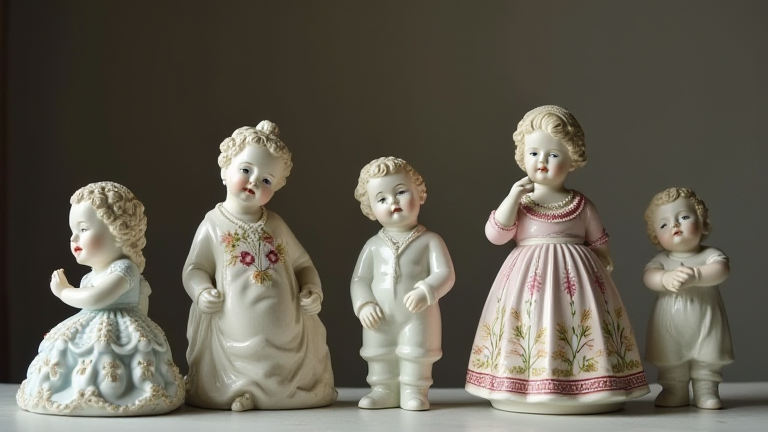
    Modern interior design often leans toward clean lines and neutral palettes, which can sometimes feel sterile. Porcelain figurines disrupt this monotony with their organic forms and vibrant glazes. Whether it is a delicate tea set with sculpted characters or a standalone statue of a dancer, these pieces provide visual rhythm and contrast. They work best when grouped in odd numbers on shelves or mantels, creating a dynamic display that invites closer inspection. The glossy finish of porcelain also catches light beautifully, adding a subtle shimmer that enlivens the room’s atmosphere throughout the day.

    Ultimately, the charm of porcelain lies in its ability to be both timeless and personal. It does not follow the fleeting trends of fast fashion or quick-turnover decor styles. Instead, it anchors your space in a sense of permanence and beauty. By investing in quality porcelain figurines, you are not just decorating; you are crafting an environment that nurtures creativity, respects tradition, and celebrates the fine arts. This is how true elegance is achieved in home decor: through the careful selection of objects that speak to the soul and elevate the everyday experience.

    FAQ

    Q: How do I maintain the cleanliness of porcelain figurines?
    A: Use a soft, dry cloth for regular dusting. For deeper cleaning, use a damp cloth with mild soap, ensuring you avoid abrasive materials that could scratch the glaze.

    Q: Are porcelain figurines suitable for minimalist interiors?
    A: Yes, but select pieces with clean lines or neutral colors. Limit the number of items to one or two focal pieces to avoid cluttering the space.

    Q: What is the best way to display porcelain sculptures?
    A: Use dedicated shelf space with adequate lighting. Group items at varying heights for visual interest and ensure the surface is stable to prevent accidental damage.

    Related Articles