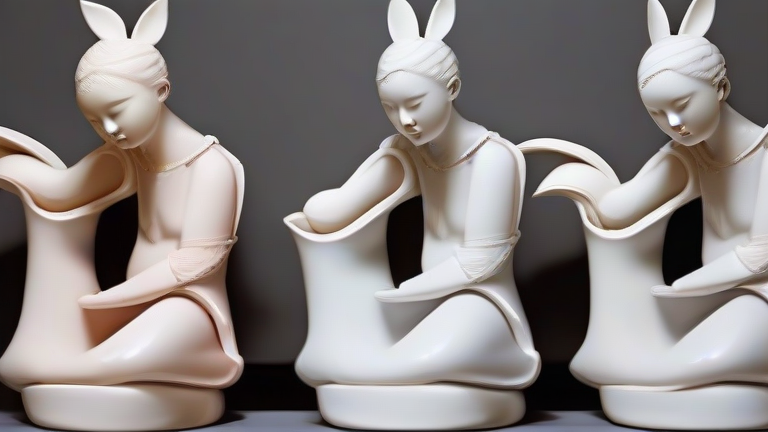
TL;DR: Handmade porcelain figurines are collectible, heirloom-quality sculptures that add refined elegance to any interior. Unlike mass-produced resin or ceramic décor, each piece offers unique artisan character, making it a worthwhile investment for both aesthetic appeal and lasting value.
Why Choose Handmade Porcelain Over Other Décor?
Walk into any big-box store, and you’ll find shelves of identical, machine-pressed resin animals or glossy ceramic vases. While functional, these lack the soul of a true art object. Handmade porcelain figurines, by contrast, are born from a multi-day process of slip casting, hand-sculpting, kiln firing at over 1,200°C, and meticulous glaze application. The result is a translucent, luminous surface that catches light differently from every angle—something no plastic or plaster copy can replicate. The weight alone tells the story: a genuine porcelain ballerina or horse feels cool, dense, and balanced in your hand, not hollow or flimsy.
If you want to dig deeper, check out our guide on 10 Trendy Cashmere Sweater Colors for Fall Layering.
Feature Highlights That Justify the Craft
First, consider the detail fidelity. A master artisan can capture the delicate lace of a Victorian dress, the individual strands of a horse’s mane, or the faint blush on a cherub’s cheek—details that are impossible to mold in resin. Second, durability: porcelain is vitrified glass, making it chip-resistant and non-porous, so it won’t yellow or absorb dust like polyresin. Third, limited editions: most handmade lines, such as those from Lladró or smaller studios like M.I. Hummel, produce numbered runs, ensuring your piece isn’t replicated a million times. Finally, timeless versatility: whether your home is minimalist, farmhouse, or traditional, a single porcelain figure—a robin on a branch, a dancing couple—serves as a focal point that never looks dated, unlike trendy metallic sculptures.
Comparison: Handmade Porcelain vs. Bone China & Resin
Bone china (containing bone ash) is whiter and more translucent, but it’s also more fragile and often used for dinnerware, not sculptural art. Resin figurines are cheaper and can mimic fine detail, but they feel warm and light, scratch easily, and fade under direct sunlight within a few years. Handmade porcelain sits in a sweet spot: it offers the heirloom prestige of bone china with the structural integrity of a decorative sculpture. The price difference is real—expect to pay $80 to $300 for a small artisan piece versus $20 for a resin knockoff—but the resale value and emotional longevity justify the premium. If you want a piece that your grandchildren will fight over, porcelain wins every time.
Ready to elevate your mantel or bookshelf? Browse curated collections from independent ceramicists on Etsy or invest in a numbered edition from a heritage brand. Don’t settle for shelf clutter—choose one signature piece that tells a story, and let it anchor your room’s personality.
FAQ
Q: How do I clean a handmade porcelain figurine without damaging the glaze?
A: Use a soft, dry microfiber cloth to dust weekly. For stubborn spots, lightly dampen a cotton swab with warm water and mild dish soap, then gently wipe and dry immediately. Never submerge the piece in water or use abrasive cleaners, as they can dull the glaze.
Q: Are handmade porcelain figurines safe to display outdoors?
A: No. Even though porcelain is fired at high temperatures, the glaze is not designed for freeze-thaw cycles or direct UV exposure. Keep them indoors, away from windows with harsh afternoon sun, to prevent crazing (fine cracks) and fading.
Q: What should I look for when verifying authenticity?
A: Check for a hand-painted artist signature or studio mark on the base, which is usually incised or painted in underglaze blue. Also, ask for a certificate of authenticity and
Leave a Reply