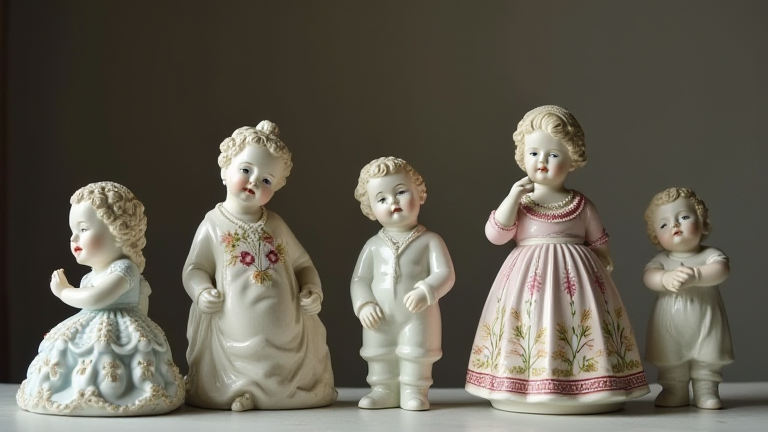
TL;DR: Old porcelain figurines can leach lead from their glazes and paints, especially if chipped or worn, and accumulate household dust that harbors allergens and trace contaminants. Yes, they pose a real health risk, but simple cleaning and handling rules can reduce exposure dramatically.
The Hidden Chemistry in Your Curio Cabinet
Porcelain figurines produced before the 1970s often used lead-based glazes to achieve that glossy, brilliant finish. Lead was prized for its ability to lower the melting point of the glaze and create a smooth, durable surface. However, lead is a neurotoxin. When the glaze degrades—through micro-cracks, chips, or everyday handling—tiny lead particles can transfer to your hands, then to food or your mouth. Even figurines marked “collectible” or “decorative” were not subject to the same safety standards as dishware. A 2018 study in Environmental Health Perspectives found that 30% of vintage ceramic collectibles tested had surface lead levels exceeding current U.S. safety limits for children’s products. The risk is highest for toddlers, who mouth objects, and for pregnant women, as lead crosses the placental barrier.
If you want to dig deeper, check out our guide on Luxury Resale Trends: Why Designer Bags Beat Fast Fashion.
Dust: The Silent Aggregator
Porcelain figurines are notorious dust magnets. Their intricate folds, painted details, and porous bases create a large surface area that traps fine particulate matter. This dust is not just unsightly—it’s a health cocktail. House dust contains allergens (pet dander, pollen), microplastics, and, in older homes, lead dust from paint or soil tracked indoors. When you disturb a figurine, that dust becomes airborne and can be inhaled. For people with asthma or allergies, this triggers sneezing, congestion, or worse. Moreover, lead dust from a degrading glaze can bind to the dust particles, turning your decorative shelf into a slow-release source of airborne lead. A 2021 review in Indoor Air identified decorative ceramics as a significant contributor to residential lead dust in older homes.
Smart Handling & Cleaning Protocols
Do not throw away your heirlooms—just manage them safely. First, test for lead. Use a 3M LeadCheck swab (available online or at hardware stores) on the glaze, base, and painted areas. If positive, treat the figurine as a display-only item. Never eat, drink, or smoke near it. Clean with a damp microfiber cloth—never a dry duster, which just redistributes lead particles. Rinse the cloth after each wipe. For deep cleaning, use a 1:10 vinegar-water solution, but avoid soaking the piece, as water can seep into cracks and mobilize lead. Wear nitrile gloves during cleaning, and wash your hands immediately afterward. Place figurines in a glass-front cabinet to reduce dust accumulation by up to 80%.
Lifestyle Tips for Safe Display
If you have children or pets, elevate figurines to high shelves or behind locked glass. Avoid placing them near air vents, ceiling fans, or high-traffic areas where dust is stirred. Regularly vacuum the shelf itself with a HEPA filter vacuum. For high-value pieces, consider professional conservation—experts can seal the glaze with a clear, non-toxic acrylic coating. Finally, rotate your collection: display only a few figurines at a time to minimize total dust surface area. And if a figurine is chipped or cracked, do not handle it with bare hands; the exposed interior glaze is often higher in lead. Seal the chip with clear nail polish as a temporary barrier until you can properly restore it.
FAQ
Q: Can I use old porcelain figurines as vases or candle holders?
A: No. If the figurine has a hole or dish-like area, do not put liquids, food, or burning candles inside. Heat and acidity can accelerate lead leaching from the glaze. Keep them strictly as visual decor.
Q: Are modern porcelain figurines safe from lead?
A: Most new figurines from reputable brands (e.g., L
Leave a Reply