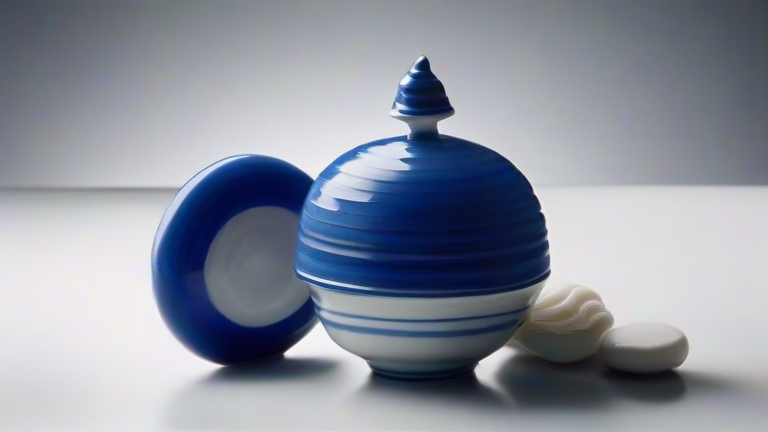
Porcelain Figurine Safety: Lead, Toxins & Health Tips
TL;DR: Modern, commercially produced porcelain figurines from reputable manufacturers are generally safe for display in living spaces, as strict regulations limit heavy metal content. However, vintage or hand-painted items from unknown sources may contain lead or cadmium, posing risks if chipped or ingested.
Understanding the Risks in Decorative Porcelain
Porcelain is a dense, non-porous ceramic material fired at high temperatures, which makes it inherently stable and inert. The primary health concern associated with porcelain figurines and sculptures does not stem from the clay body itself, but rather from the glazes and decorative paints applied to the surface. Historically, lead-based glazes were used to achieve bright colors and a glossy finish. While lead-free alternatives are standard in contemporary production, older pieces or those from unregulated markets may still harbor significant levels of lead, cadmium, or barium.
If you want to dig deeper, check out our guide on Digital Preservation: Scanning & 3D Printing Porcelain Figur.
These heavy metals are neurotoxic and can accumulate in the body over time. The risk is minimal for intact, glazed figurines kept on shelves. The danger arises when the glaze cracks, chips, or wears down over time, potentially releasing microscopic particles into the air or onto surfaces. If these particles are inhaled or ingested—particularly by curious children or pets—the health implications can be severe. Lead exposure, for instance, is linked to cognitive deficits, developmental delays, and organ damage. Therefore, the condition of the figurine is the most critical factor in determining its safety profile.
Science-Backed Safety Guidelines for Collectors
To maintain a healthy living environment while enjoying your porcelain art collection, adhere to these evidence-based lifestyle tips. First, prioritize provenance. When purchasing new figurines, buy from established retailers that comply with local safety standards, such as the Consumer Product Safety Commission guidelines in the United States or the European Union’s REACH regulations. These standards ensure that lead and cadmium levels are below detectable thresholds for household items.
For vintage or antique pieces, assume the presence of potential toxins until proven otherwise. Never place older figurines in areas where children or pets can easily access them. If a figurine is chipped or has visible cracks in the glaze, isolate it immediately. Do not attempt to repair it with food-safe resins unless you are certain the materials are non-toxic. Regularly dust your collection using a dry, soft cloth to prevent the accumulation of dust, which can trap particulate matter. Avoid using wet cleaning methods on antique pieces, as water can exacerbate glaze degradation and leach out trapped metals.
Long-Term Care and Environmental Health
Proper storage and handling extend the life of your porcelain and ensure continued safety. Keep figurines in a stable environment with low humidity to prevent moisture-related glaze failure. When handling pieces, use clean hands or nitrile gloves to prevent oils from your skin from degrading the surface over decades. If you are an avid collector with a large volume of older items, consider sending a sample of the glaze for laboratory testing. Many environmental health labs offer affordable lead testing services that provide definitive results, allowing you to make informed decisions about which items to display and which to store away or professionally encapsulate.
Ultimately, a well-maintained porcelain collection enhances interior aesthetics without compromising household health. By staying informed about material safety and practicing diligent care, you can enjoy the artistic value of these sculptures with peace of mind.
FAQ
Q: Are modern porcelain figurines safe for homes with young children?
A: Yes, provided they are purchased from reputable brands that adhere to current safety regulations. Modern glazes are typically lead-free, but parents should still supervise to prevent accidental ingestion of any decorative object.
Q: Can I clean my porcelain sculpture with standard household cleaners?
A: It is best to avoid harsh chemicals or abrasive cleaners. Use a soft, dry cloth for regular dusting, and if necessary, a slightly damp cloth with mild soap, ensuring the piece is dried immediately to
Leave a Reply