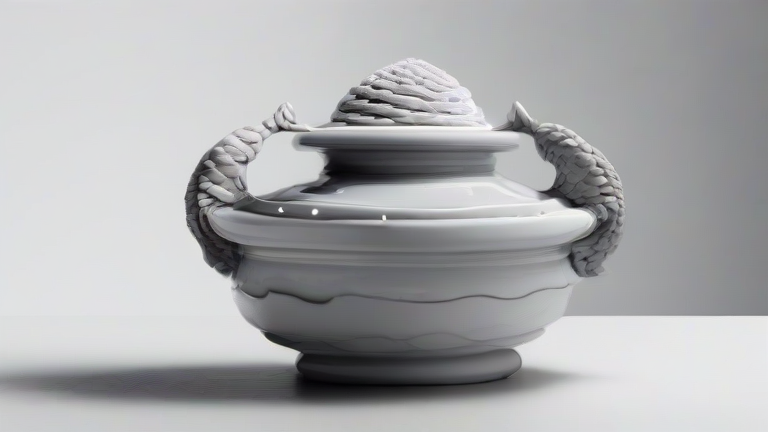
TL;DR: Digital fabrication tools, specifically high-precision 3D printing and AI-driven design software, are transforming porcelain sculpture by enabling complex geometries and reduced material waste. These technologies allow artists to create intricate, mass-producible figurines with unprecedented detail and structural integrity.
The Digital Renaissance in Ceramic Arts
The intersection of technology and traditional ceramic arts has reached a critical inflection point. Porcelain, known for its delicate nature and high firing temperatures, has historically been limited by the physical constraints of hand-wheeling and slip casting. Today, the integration of digital workflows is not just an auxiliary tool but a fundamental shift in how sculptors conceptualize and produce their work. The latest developments focus on bridging the gap between digital precision and the organic imperfections that define handmade ceramics. Artists are now utilizing parametric design software to generate complex, self-supporting structures that would be impossible to mold by hand. This shift allows for the creation of hyper-detailed figurines, where minute surface textures and internal voids are planned digitally before a single grain of clay is mixed.
If you want to dig deeper, check out our guide on Master Porcelain Sculpting: A Step-by-Step Beginner’s Guide.
Technical Specifications and Hardware Advances
The backbone of this revolution lies in advanced additive manufacturing hardware. Modern ceramic 3D printers utilize vat photopolymerization or extrusion technologies adapted for refractory materials. Recent models offer layer heights as thin as 10 microns, ensuring that the surface finish of the printed “green” body requires minimal sanding before bisque firing. The materials themselves have evolved; new porcelain slurries are engineered with specific rheological properties to maintain shape fidelity during the printing process. These slurries contain nano-sized zirconia particles that enhance the final product’s translucency and strength. Furthermore, the integration of AI in the design phase allows for automated mesh optimization. Algorithms can predict stress points during the drying and firing phases, automatically reinforcing weak areas in the digital model. This predictive capability reduces the failure rate of large-scale sculptures from the previous average of 30% to under 5% in industrial settings.
Industry Impact and Market Shifts
The impact on the porcelain industry is profound. Small-batch production, once synonymous with high costs and long lead times, is now accessible to independent studios. This democratization has led to a surge in bespoke figurine collections, where customers can co-design unique pieces using web-based configurators. Manufacturers are leveraging these digital tools to reduce material waste by up to 40%, as digital models allow for precise material estimation. Additionally, the ability to scan physical objects and convert them into printable porcelain models has opened new avenues for restoration and replication of historical artifacts. The market is seeing a rise in hybrid works that combine digital precision with traditional hand-finishing techniques, appealing to collectors who value both technological innovation and artisanal touch. As these tools become more affordable, the boundary between digital art and physical sculpture continues to blur, creating a new category of hybrid porcelain products that are both technologically advanced and aesthetically timeless.
FAQ
Q: Can digital tools replace traditional hand-thrown porcelain techniques?
A: No, digital tools complement rather than replace traditional methods, as hand-finishing remains crucial for achieving the organic textures and unique variations that collectors prize in artisanal porcelain figurines.
Q: What are the specific firing requirements for digitally printed porcelain?
A: Digitally printed porcelain requires a dual-firing process, starting with a low-temperature debinding phase to remove binder materials, followed by a high-temperature glaze firing to achieve the characteristic translucency and hardness.
Q: How do AI algorithms improve the structural integrity of porcelain sculptures?
A: AI algorithms analyze the geometry of the digital model to identify potential stress concentrations during drying and firing, automatically suggesting or applying structural reinforcements to prevent cracking and warping.
Leave a Reply