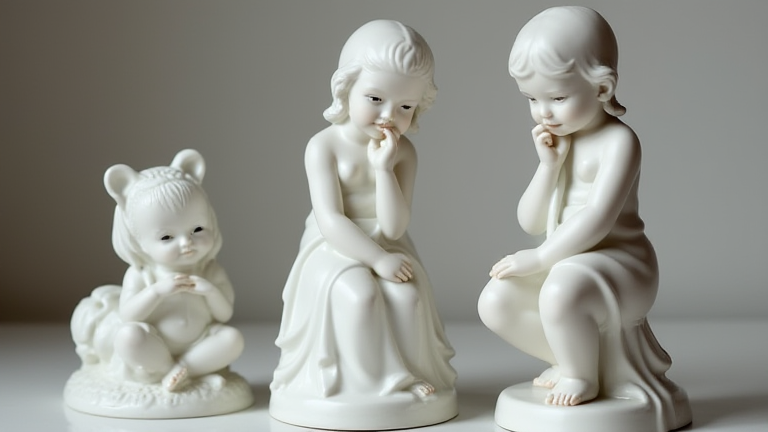
Invest in Porcelain Figurines: A Guide to Sculpture Value
TL;DR: High-quality porcelain figurines from renowned manufacturers like Meissen and Royal Doulton offer superior long-term appreciation compared to mass-produced items. Investors should prioritize provenance, condition, and historical significance to maximize returns in this niche art market.
Market Analysis: The Resurgence of Collectible Porcelain
The global market for collectible porcelain has experienced a significant resurgence in recent years, driven by a renewed interest in tangible assets amidst digital volatility. Unlike stocks or cryptocurrencies, physical art pieces, particularly high-end porcelain sculptures, provide a tangible hedge against inflation. The market is bifurcated into two distinct segments: the ultra-high-end antique sector, featuring pieces from the 18th and 19th centuries, and the mid-tier contemporary collectible market. Data indicates that while the mid-tier market fluctuates with economic confidence, the ultra-high-end sector maintains steady value due to its scarcity and historical weight. Investors are increasingly looking beyond simple decorative items and focusing on sculptures that tell a cultural or historical story. This shift is evident in auction results, where unique, limited-edition figurines are commanding premiums far above their initial retail prices. The demand is fueled by a global collector base that values craftsmanship and heritage, creating a resilient market structure that is less susceptible to short-term economic shocks than other asset classes.
If you want to dig deeper, check out our guide on Why Cold-Pressed Olive Oil Is The New Skincare Trend.
Strategy Insights: Identifying Value Drivers
Successful investing in porcelain figurines requires a deep understanding of specific value drivers. First, provenance is paramount. A piece with a documented history, including original receipts, exhibition records, or previous ownership by notable figures, commands a significant premium. Second, condition is critical. Unlike some other collectibles, porcelain is fragile. Even minor chips, hairline cracks, or overpainting can reduce value by up to 50%. Investors must invest in professional conservation assessments before purchase. Third, rarity plays a pivotal role. Limited edition runs, discontinued colorways, or unique sculptural designs are highly sought after. Strategy should focus on building a curated collection rather than hoarding large quantities of similar items. Diversification within the medium is also key; mixing different eras, manufacturers, and themes helps mitigate risk. Furthermore, timing purchases during private sales or estate auctions often provides better entry points than public auctions, where bidding wars can inflate prices. Networking with reputable dealers and joining collector associations provides access to exclusive opportunities and insider knowledge that is essential for making informed decisions in this specialized market.
Case Studies: Lessons from Top Collectors
Consider the case of a private collector who acquired a set of four Meissen figurines in 2015 for $15,000. By focusing on pieces with intact original packaging and clear maker’s marks, the collector sold the set three years later for $28,000, achieving an 86% return. This success was due to the rarity of the specific glaze finish. In contrast, another investor purchased a large lot of mass-produced Royal Doulton pieces in 2018. Despite their popularity, the lack of uniqueness and high supply kept appreciation flat, resulting in only a 5% return over five years. These examples highlight the importance of quality over quantity. The first investor targeted scarcity and condition, while the second overlooked the saturated nature of the mid-market. Another case involves a contemporary artist’s limited run of porcelain sculptures. An early investor bought in at the launch, recognizing the artist’s growing reputation. Within two years, the value tripled as the artist’s work entered major galleries. These cases underscore that understanding the narrative behind the piece, whether historical or contemporary, is just as important as the physical object itself.
FAQ
Q: What is the minimum budget for starting a porcelain figurine investment portfolio?
A: You can start with as little as $500 for high-quality vintage pieces, though serious appreciation typically requires investment in items valued over $2,000 with verified provenance.
Q: How should I store porcelain figurines to maintain their value?
A:
Leave a Reply