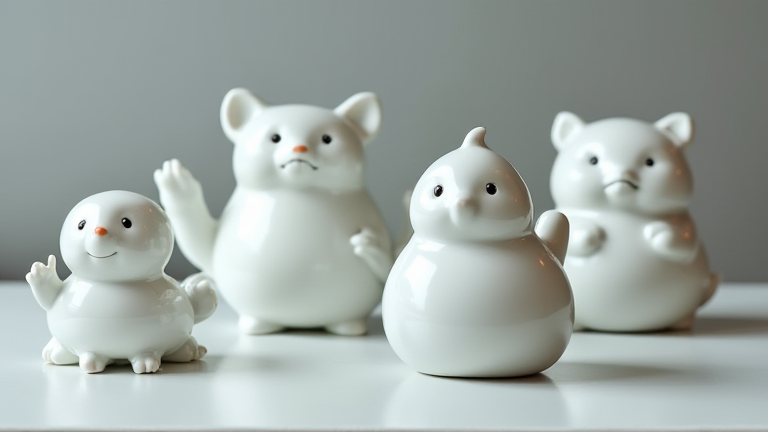
TL;DR: Porcelain figurines are generally safe for indoor display when made from lead-free glazes, posing no direct health risks to humans or pets. Their primary wellness benefits are psychological, stemming from aesthetic appreciation and stress reduction rather than any physical or chemical interaction.
The Safety of Displaying Ceramic Art
Many homeowners worry that decorative objects like porcelain figurines might release harmful substances into the air. Scientifically, high-quality porcelain is fired at extremely high temperatures, which vitrifies the clay, making it non-porous and chemically stable. However, the primary safety concern lies in the glazes used during manufacturing. Older figurines, particularly those produced before 1970 or those with bright, opaque colors, may contain lead or cadmium in the glaze. If these glazes are worn, cracked, or chipped, small particles could potentially leach out. Modern, reputable manufacturers strictly adhere to safety standards, ensuring that their products are lead-free and non-toxic. To maintain safety, avoid using old, damaged, or unverified vintage figurines as food storage containers or drinking vessels. For pure display purposes, the risk is negligible if the surface is intact. Regularly inspecting your collection for cracks or peeling glaze is a simple preventive measure that ensures your home environment remains free from potential heavy metal exposure.
If you want to dig deeper, check out our guide on Timeless Elegance: Why Porcelain Figurines Elevate Your Home.
Dispelling Common Myths
There is a persistent myth that porcelain figurines emit negative energy or absorb toxins from the room. These claims lack any scientific basis. Porcelain is an inert material; it does not interact with indoor air quality, humidity, or electromagnetic fields. Another common misconception is that the dust accumulation on intricate sculptures is a health hazard. While dust itself is not toxic, it can contain allergens like pollen or pet dander. Therefore, the health advice here is standard hygiene: keep your display shelves clean. Use a soft, dry cloth or a gentle brush to remove dust from delicate figurines. Avoid using chemical sprays directly on the porcelain, as these can degrade the glaze over time and introduce volatile organic compounds (VOCs) into your living space. A damp microfiber cloth is the safest and most effective cleaning method, ensuring that your décor remains beautiful without compromising indoor air quality.
Psychological Benefits and Lifestyle Integration
While porcelain figurines do not offer physiological benefits, their impact on mental well-being is well-documented in environmental psychology. The presence of aesthetically pleasing objects in a living space can enhance mood and reduce stress levels. This phenomenon, often referred to as the “placebo effect” of interior design, suggests that surrounding oneself with items that evoke joy or nostalgia can create a sense of calm and personal identity. Collecting or displaying porcelain sculptures can serve as a mindful hobby. The act of carefully arranging, cleaning, and appreciating these delicate pieces encourages mindfulness and presence. For individuals recovering from burnout, curating a small display of favorite figurines can provide a sense of control and beauty in daily life. Furthermore, sharing these items with guests can facilitate social connection, which is a key component of overall wellness. Integrating art into your home is a low-cost, low-effort lifestyle change that supports emotional health. By choosing pieces that resonate with you personally, you create a sanctuary that reflects your inner state, promoting a harmonious balance between your environment and your mental health.
FAQ
Q: Are porcelain figurines safe for homes with young children or pets?
A: Yes, provided they are securely displayed out of reach to prevent breakage, as sharp shards from broken porcelain are the primary physical hazard, not toxic material release.
Q: Can I use old porcelain figurines to hold flowers or food?
A: No, it is not recommended to use vintage or unverified porcelain for food or water storage due to the potential risk of lead or cadmium leaching from older glazes.
Q: Does placing figurines in a bedroom improve sleep quality?
A: There is no scientific evidence that the objects themselves improve sleep, but a clutter-free, aesthetically pleasing environment can reduce anxiety and promote a
Leave a Reply