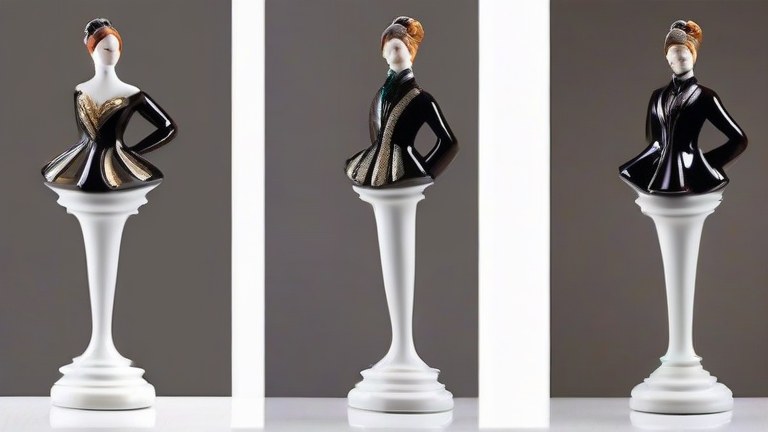
Porcelain Sculpture Care: Keep Your Figurines Clean & Safe
TL;DR: To maintain the integrity of your porcelain collection, dust regularly with a soft, dry microfiber cloth and avoid harsh chemical cleaners that can degrade glazes. Store pieces in stable environments with controlled humidity and temperature to prevent thermal shock and structural damage.
Porcelain is one of the most durable ceramic materials, yet its beauty is fragile. Whether you are an avid collector or possess a single cherished figurine, understanding the scientific principles behind its care ensures longevity. The glaze on porcelain is a glass-like coating fired onto the clay body. While hard, it is susceptible to abrasion and chemical etching. Therefore, the primary goal of care is to preserve this surface without introducing unnecessary stress to the underlying structure.
If you want to dig deeper, check out our guide on Top Porcelain Figurines: Timeless Sculptures for Your Home.
The Science of Dusting and Cleaning
Most damage to porcelain figurines occurs during the cleaning process. Dust particles act like microscopic sandpaper. When rubbed against the glaze, they can create micro-abrasions that dull the shine over time. Scientifically, the best method for removing dry dust is passive. Use a soft, lint-free microfiber cloth to gently wipe the surface. Do not apply pressure. If the piece is dusty but not dirty, a soft camel-hair brush is superior to a cloth, as it lifts dust without dragging it across the glaze.
For stubborn smudges or fingerprints, use a damp cloth with distilled water. Tap water contains minerals and chemicals that can leave white spots or etch delicate glazes. Distilled water is inert, making it safe for the surface. Never use paper towels, as their wood pulp fibers are abrasive. Additionally, avoid using any household cleaners, even those labeled “safe,” as they often contain solvents or acids that can react with the glaze chemistry. If a stain persists, a drop of mild, pH-neutral dish soap on a damp cloth, followed by immediate rinsing with distilled water and thorough drying, is the safest chemical intervention available.
Environmental Stability and Safety
Porcelain is sensitive to environmental fluctuations. Thermal shock is a significant risk. Moving a figurine from a cold room to a hot one, or exposing it to direct sunlight, can cause the clay and glaze to expand at different rates. This differential expansion can lead to crazing, a network of fine cracks that compromise structural integrity. Keep your collection away from windows, radiators, and air conditioning vents. Ideal indoor conditions mimic a museum environment: stable temperatures between 65 and 70 degrees Fahrenheit and relative humidity levels between 40 and 50 percent.
Physical safety is equally critical. Porcelain is brittle. Always handle figurines with clean, dry hands to prevent oil transfer and slippage. When moving a piece, support the base rather than holding it by limbs or thin features, which are often the weakest points. If your figurine has a crack or chip, consult a professional conservator. DIY repairs using superglue or other adhesives can cause irreversible discoloration and further structural failure. Proper storage in a climate-controlled, shock-absorbent case provides the ultimate protection against accidental breakage and environmental stress.
FAQ
Q: Can I use glass cleaner on my porcelain figurine?
A: No, glass cleaners typically contain ammonia or alcohol, which can strip protective glazes and cause permanent damage.
Q: How often should I dust my collection?
A: Dust gently once a week to prevent particle buildup, using a soft brush or dry microfiber cloth to minimize abrasion.
Q: Is it safe to wash porcelain under running water?
A: It is risky due to the danger of drops and thermal shock; spot cleaning with a damp cloth is safer and more controlled.
Leave a Reply