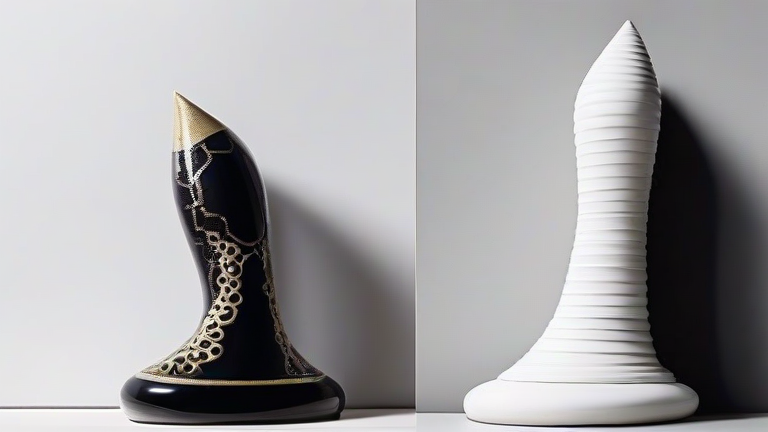
TL;DR: Porcelain figurines are more than dust collectors—they are miniature time capsules that anchor a room in history, craftsmanship, and personal narrative. By curating them with intention, you transform fleeting décor trends into a timeless dialogue between art, travel, and memory.
The Art of the Slow Home: Why Porcelain Speaks Louder Than Trends
In an era of disposable décor and mass-produced minimalism, porcelain figurines offer a counter-cultural pause. Unlike a trendy abstract print you’ll replace in two seasons, a hand-painted Meissen shepherdess or a delicate Japanese Imari crane carries centuries of kiln-fired patience. When you place one on a shelf, you’re not just decorating—you’re inviting a story that outlives your current sofa. Think of them as frozen symphonies: each glaze layer, each brushstroke, each slight imperfection from the artisan’s hand becomes a quiet rebellion against the sterile perfection of 3D-printed home goods.
If you want to dig deeper, check out our guide on Handcrafted Porcelain Figurines: Timeless Sculptures for Hom.
Curating a World Tour on Your Mantelpiece
The most compelling way to elevate your home with porcelain is to treat it as a travel journal. Instead of buying a fridge magnet in Lisbon, bring back a hand-painted azulejo-inspired figurine of a fado singer. From a trip to Bavaria, return with a tiny nutcracker in white bisque, its painted eyes holding the alpine chill. Each piece becomes a tactile memory—you can trace the folds of a Delftware skirt and recall the cobblestone market where you haggled for it. This isn’t just décor; it’s a slow-travel curation that turns your living room into a globe-trotting gallery. Pair a rustic Spanish bull with a delicate Chinese scholar’s rock, and you’ve created a cultural conversation that no IKEA shelf can replicate.
The Personal Growth Angle: Patience as an Aesthetic
Collecting porcelain figurines is a masterclass in delayed gratification. Unlike fast furniture that arrives flat-packed, sourcing a vintage Lladró ballet dancer or a Royal Copenhagen Christmas plate requires research, patience, and sometimes a little heartbreak when you miss an auction. This process teaches you to value provenance over instant gratification. You learn to spot the difference between a glossy modern replica and a matte, crackled antique—a skill that sharpens your eye for authenticity in all areas of life. Moreover, arranging them on a console table forces you to practice negative space: a single figurine under a reading lamp can feel more powerful than a crowded cabinet. That restraint mirrors personal growth—knowing when to hold back, when to display, and when to quietly admire.
Food, Culture, and the Tableau of Daily Rituals
Porcelain figurines also elevate your dining rituals. Place a small, robed monk holding a teapot on your breakfast nook, and every morning cup becomes a nod to Japanese tea ceremonies. Set a pair of dancing flamenco figures near your spice rack, and your paella night gains a theatrical flair. These sculptures bridge the gap between function and fantasy—they don’t serve food, but they season the atmosphere. For culture lovers, they are silent docents: a Victorian shepherdess reminds you of pastoral England’s romanticism, while a Qing dynasty court lady whispers of silk roads and imperial gardens. You’ll find yourself researching the history behind each piece, turning your home into a self-taught museum.
FAQ
Q: How do I start a porcelain figurine collection without overspending?
A: Begin with secondhand shops, estate sales, and online auctions focusing on unmarked or lesser-known European factories (like Hutschenreuther or Goebel). Look for chipped pieces—they’re 70% cheaper and can be displayed with the imperfect side facing a wall. Start with three pieces that share a color palette (e.g., all cream and cobalt) to create cohesion, then slowly add outliers.
Q: Are porcelain figurines outdated for modern interiors?
A: Not if styled intentionally. Avoid crowded curio cabinets; instead, place one
Leave a Reply