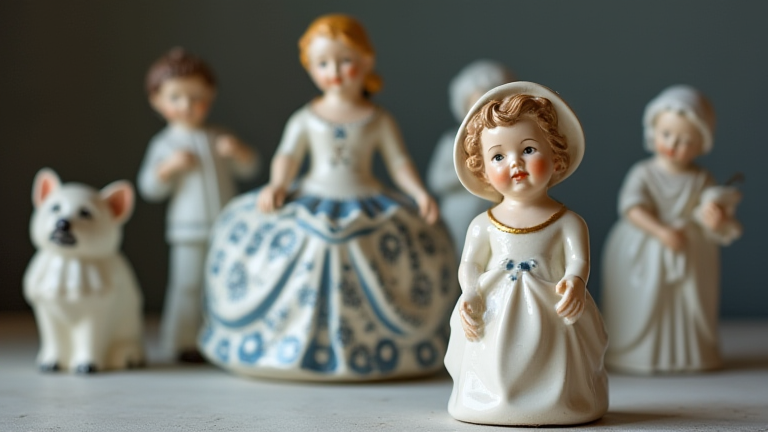
TL;DR: Yes, old porcelain figurines can pose a real lead-poisoning risk, especially if they are chipped, glazed with bright colors, or made before the 1970s. The danger comes from handling them, not just eating off them, so keep them as display-only pieces and wash your hands after touching them.
Why Old Porcelain Figurines Are a Hidden Hazard
Porcelain figurines from the mid-20th century and earlier often used lead-based glazes to achieve that glossy, vibrant finish. Lead adds brilliance and durability to ceramic coatings, but when the glaze degrades—through micro-cracks, chips, or wear—lead particles can leach to the surface. Even a figurine that looks pristine can release lead dust when you pick it up, dust it, or move it. The risk is highest for collectibles with red, orange, or yellow paints, as these pigments historically contained the highest lead concentrations.
If you want to dig deeper, check out our guide on Tech Meets Porcelain: 3D Printing & Digital Sculptures.
Who Is Most at Risk?
Children and pregnant women face the greatest danger. Kids may put figurines in their mouths or touch them and then suck their fingers, ingesting lead dust. Over time, lead accumulates in the body, affecting brain development, causing learning delays, and damaging kidneys. Adults are not immune—chronic low-level exposure has been linked to high blood pressure, memory issues, and reproductive problems. If you have a vintage collection, assume it contains lead unless you’ve had it professionally tested.
Science-Backed Safety Tips for Collectors
First, never eat, drink, or store food near your figurines. Do not display them on shelves where you keep dishes or glasses. Second, if a figurine is chipped or cracked, do not attempt to repair it with household glue—this can create new surfaces for lead release. Instead, place it in a sealed glass display case and avoid touching it directly. Third, always wash your hands with soap and cold water after handling any vintage porcelain, and use a damp microfiber cloth to dust, then throw the cloth away or wash it separately. For extra peace of mind, buy a home lead-testing swab kit (available at hardware stores) and test the glaze—if it turns red, the lead level is unsafe.
Finally, if you are unsure about a figurine’s age or origin, treat it as lead-positive. Do not give old figurines to children as toys, and consider using them only as decorative pieces in low-traffic areas. When in doubt, consult a professional conservator who can test and, if necessary, seal the glaze with a specialized acrylic coating. Your health is worth more than any collectible’s aesthetic charm.
FAQ
Q: Can I still safely display my grandmother’s porcelain figurines?
A: Yes, but only as static display items. Keep them behind glass, away from food and high-traffic areas, and never handle them unnecessarily. Wash your hands immediately after any contact.
Q: Are all porcelain figurines made before 1970 unsafe?
A: Not all, but the majority of brightly colored or highly glossy ones contain lead. White or unglazed porcelain is lower risk, but unless you test it, assume lead is present. Modern figurines (post-2000) are generally lead-safe.
Q: What should I do if I suspect a figurine is shedding lead dust?
A: Stop touching it, seal it in a zip-lock bag or glass container, and get a professional lead test. If positive, either keep it permanently sealed or dispose of it at a hazardous waste facility. Do not throw it in regular trash.
Leave a Reply