TL;DR: Porcelain figurines serve as sophisticated cultural artifacts that infuse your living space with narrative depth and artistic elegance. By curating specific collections from diverse global traditions, you transform passive decoration into active storytelling that invites personal reflection and cultural appreciation.
The Art of Curated Display
Integrating porcelain sculptures into your home goes beyond simple aesthetic enhancement; it is an act of cultural curation. Unlike mass-produced decor, handcrafted porcelain pieces often carry the signature of specific artisans, linking your home to a broader tapestry of global artistic heritage. Start by selecting a focal point, such as a mantelpiece or a dedicated vitrine, where a single, striking statue can command attention without overwhelming the room’s ambiance. This strategic placement encourages viewers to pause and appreciate the intricate detailing, from the glaze finish to the sculptural pose, fostering a moment of mindfulness in a busy day.
If you want to dig deeper, check out our guide on Tech in Porcelain Sculptures: 3D Printing & Digital Trends.
Blending Tradition with Modern Spaces
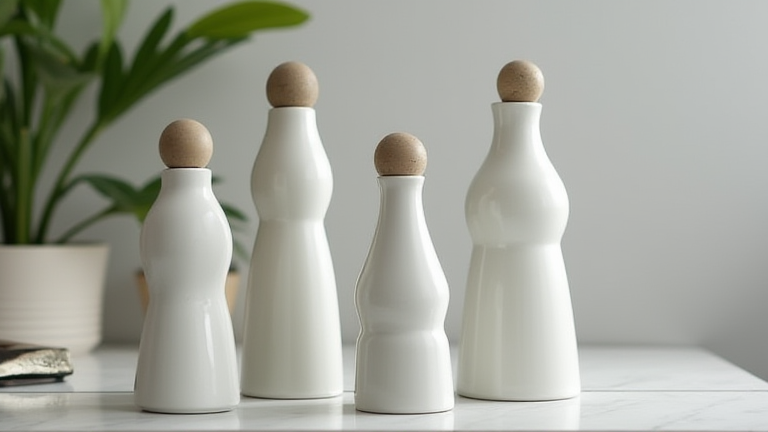
Modern interiors often feature clean lines and neutral palettes, which provide the perfect canvas for the vibrant colors and organic forms of traditional porcelain. Contrast is key here; place a delicate, white Meissen figurine against a dark, textured wood shelf to create visual interest. Alternatively, group several smaller pieces with varying heights to create a dynamic, layered display that mimics a natural landscape. This approach not only elevates the visual appeal but also allows you to mix and match styles from different regions, such as combining Chinese dragon motifs with European pastoral scenes, creating a unique dialogue between cultures within your own walls.
Personal Growth Through Collecting
Building a collection of porcelain figurines can be a profound journey of personal growth and education. Researching the origins of each piece encourages a deeper understanding of different societies, their values, and their artistic evolutions. This process fosters a sense of connection to history and a respect for craftsmanship that is increasingly rare in the digital age. As your collection grows, so does your ability to discern quality and authenticity, sharpening your eye for detail and artistry. This intellectual engagement turns your home into a personal museum, where every object has a story and a purpose, enriching your daily life with cultural richness and aesthetic pleasure.
FAQ
Q: How do I care for delicate porcelain figurines?
A: Handle them with clean, dry hands and dust them gently with a soft, lint-free cloth to prevent scratches and maintain their glossy finish.
Q: Can I mix different styles of porcelain in one display?
A: Yes, mixing styles creates visual interest, but ensure a cohesive color palette or similar scale to avoid a cluttered or disjointed appearance.
Q: Where should I place porcelain sculptures to protect them?
A: Avoid direct sunlight and high-traffic areas to prevent fading and accidental damage; stable, elevated shelves are ideal for long-term preservation.
Leave a Reply