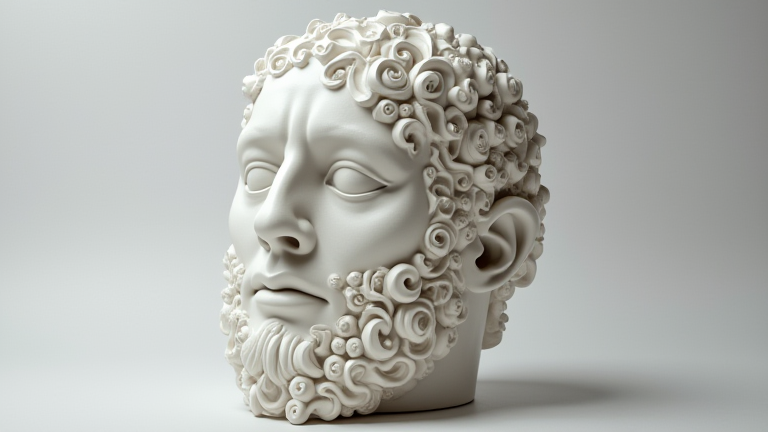
Tech & Porcelain: Modern Innovations for Sculpture Art
TL;DR: Modern porcelain sculpture is revolutionized by high-precision 3D printing and advanced digital firing technologies that eliminate traditional kiln limitations. These innovations allow artists to produce complex, large-scale porcelain figurines with unprecedented structural integrity and surface detail.
The Digital Revolution in Clay
The intersection of digital fabrication and traditional ceramic arts has created a new frontier in sculpture. Historically, porcelain was limited by the physical constraints of hand-building and slip casting. Today, additive manufacturing has transformed how artists conceive and produce porcelain figurines. By using specialized ceramic 3D printers, creators can extrude fine porcelain clay layer by layer, achieving geometries that were previously impossible to mold by hand. This shift is not merely about convenience; it is a fundamental change in the material’s potential, allowing for intricate lattice structures, hollow forms, and massive scale pieces that maintain their structural integrity during the firing process.
Advanced Material Specifications
The success of these modern porcelain sculptures relies heavily on the evolution of digital porcelain formulations. Standard porcelain clay is too viscous for most 3D printing processes, so manufacturers have developed “digital porcelain” mixes. These materials contain specific binders and plasticizers that ensure the paste flows smoothly through the print head while retaining enough strength to hold its shape before drying. The key specification here is the particle size distribution. For high-resolution figurines, the clay particles must be extremely fine, often less than 50 microns, to prevent clogging the print nozzle and to ensure a smooth surface finish post-sintering.
Furthermore, the water content in these digital clays is precisely calibrated. A slurry that is too thick will cause layer delamination, while one that is too thin will slump under its own weight. Modern rheometers are used in studios to monitor this consistency in real-time, ensuring that every batch of porcelain figurine material is identical. This consistency is crucial for mass-produced art collections where uniformity is a market requirement.
Thermal Dynamics and Firing
Perhaps the most critical technical leap is in the firing process. Porcelain requires temperatures between 1,200°C and 1,400°C to vitrify. Traditional kilns often suffer from uneven heat distribution, leading to warping or cracking in complex 3D printed pieces. New smart kilns utilize multiple heating elements and infrared sensors to create uniform thermal gradients. This technology allows for “controlled cooling,” a process where the kiln cools at a specific, slow rate to minimize thermal shock. For large-scale porcelain sculptures, this prevents micro-cracks that would otherwise compromise the piece’s longevity.
Additionally, some studios are experimenting with microwave sintering. This method uses microwave energy to heat the porcelain from the inside out, rather than relying on external conduction. This results in faster firing cycles, reducing energy consumption by up to 40%. For production-focused artists creating limited-edition figurines, this speed is a significant economic advantage, allowing for faster turnaround times without sacrificing the translucency and strength that define high-quality porcelain.
Industry Impact and Market Shifts
The adoption of these technologies is reshaping the commercial art market. Galleries are increasingly interested in porcelain works that feature digital complexity, as these pieces bridge the gap between industrial design and fine art. The ability to replicate intricate digital designs in physical porcelain has also opened new avenues for collaboration between digital artists and ceramicists. A digital sculptor can now create a 3D model and have it physically realized in porcelain without needing to master traditional wheel-throwing techniques.
This accessibility has democratized the medium, leading to a surge in contemporary porcelain figurines that explore themes of fragility, permanence, and digital identity. The industry is moving away from purely traditional aesthetics, embracing the unique textures and subtle imperfections that digital fabrication can introduce. As the cost of ceramic 3D printing technology continues to decrease, we can expect to see more small studios integrating these tools into their workflow, further blurring the lines between digital and physical art.
FAQ
Q: Can 3D printed porcelain be as strong as traditional porcelain?<
Leave a Reply