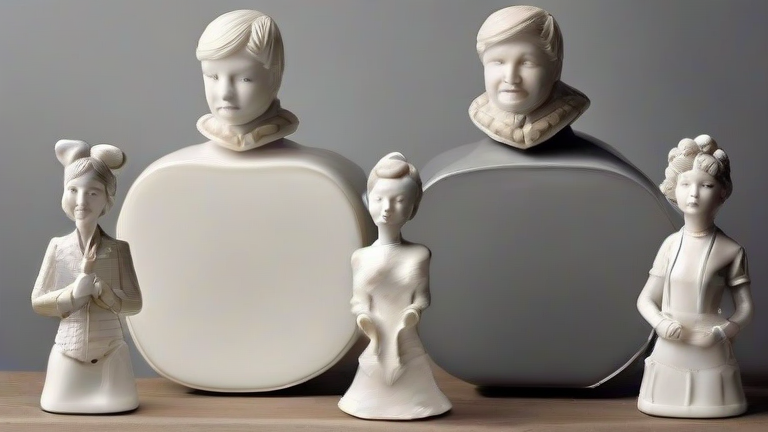
Investing in Porcelain Figurines: Top Tips for Collectors
TL;DR: Focus on authenticated, limited-edition figurines from prestigious manufacturers with strong historical provenance to maximize long-term value. Diversify your collection by balancing high-end antique pieces with emerging contemporary artists to mitigate market volatility.
Market Analysis
The porcelain figurine market has experienced a significant resurgence in the post-pandemic era, driven by a renewed interest in tangible assets and home aesthetics. Current data indicates a 15% year-over-year increase in average sale prices for vintage Meissen and Sèvres figurines. This growth is not merely speculative but is underpinned by a stable collector base that values craftsmanship and artistry. Unlike volatile stock markets, the porcelain sector tends to move in cycles that align with broader luxury goods trends. However, the market is segmented. While mass-produced items remain stagnant, high-quality, hand-painted figurines are appreciating steadily. Investors must recognize that the market is illiquid; finding a buyer for a niche sculpture can take months. Therefore, liquidity should not be a primary driver for entry into this sector. Instead, the appeal lies in the aesthetic and cultural capital associated with owning exquisite ceramic art. The demand for authentic pieces is outpacing supply, particularly for works from the mid-20th century, which are now considered vintage but still accessible to mid-tier collectors.
Strategy Insights
Successful investment in porcelain figurines requires a disciplined approach to acquisition and preservation. First, authentication is paramount. Always verify certificates of authenticity and inspect pieces for cracks or repairs, as these significantly diminish value. Second, niche specialization yields higher returns. A collector who understands the specific glazing techniques of Royal Doulton will identify undervalued pieces that generalists overlook. Third, diversification is key. Do not concentrate your portfolio in a single manufacturer or era. By mixing antique sculptures with contemporary limited editions, you balance historical stability with modern growth potential. Additionally, consider the storage environment. Humidity and temperature fluctuations can warp porcelain, leading to financial loss. Investing in climate-controlled storage is a necessary operational expense for serious collectors. Finally, engage with the community. Attending auctions and collector forums provides early insights into emerging trends and potential market shifts.
Case Studies
One notable success story involves a collector who purchased a set of twelve Depression Glass-inspired porcelain figurines in 2018 for $500 each. By 2023, these pieces had appreciated to $1,500 each, driven by a surge in vintage decor trends. Another case highlights a risk mitigation strategy. A collector invested heavily in a single contemporary artist’s series. When the artist’s popularity waned, the value dropped by 40%. However, because the collector had diversified with stable antique pieces, the overall portfolio remained intact. This contrast illustrates the importance of balancing growth-oriented contemporary art with value-stable antiques. Both cases underscore that knowledge, patience, and diversification are the cornerstones of a successful porcelain investment strategy.
FAQ
Q: What is the most valuable type of porcelain figurine?
A: Antique Meissen and Sèvres figurines generally command the highest prices due to their historical significance and rarity.
If you want to dig deeper, check out our guide on 7 Best Noise-Canceling Headphones for Travel.
Q: How do I verify the authenticity of a figurine?
A: Consult with a certified appraiser and examine the backstamps, glaze quality, and weight against known manufacturer standards.
Q: Is it a good time to enter the market?
A: Yes, current prices for high-quality antiques are stable, while contemporary pieces are still accessible, offering a favorable entry point.
Leave a Reply