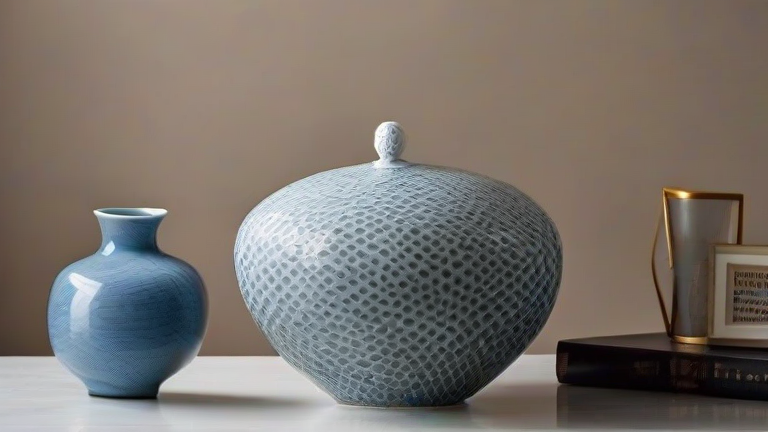
TL;DR: To elevate your home with chic porcelain figurines, focus on sculptural, modern forms in neutral or blush tones rather than cluttered trinkets, and style them in curated vignettes that reflect your travels or personal growth. Choose pieces that tell a story—like a hand-painted artisan bust or a minimalist abstract form—to add museum-level sophistication to any room.
From Souvenir to Statement: The New Porcelain Renaissance
Porcelain figurines have long been relegated to dusty china cabinets, but today’s design world has reinvented them as bold, tactile art. The shift is cultural: we now crave objects with narrative, not mass-produced decor. Think of a delicate celadon crane perched on a stack of coffee-table books, or a matte-white abstract torso that echoes the curves of a Giacometti sculpture. These pieces don’t just decorate—they anchor a room’s energy, turning a shelf into a conversation starter.
If you want to dig deeper, check out our guide on Mastering the Market: Selling Porcelain Figurines & Sculptur.
Curating with Intention: The Travel and Growth Angle
Your home should be a visual diary. Instead of buying a matching set, collect porcelain pieces from places you’ve visited or artisans you admire. A hand-thrown vase from a Kyoto ceramics studio, a whimsical rabbit figurine from a Lisbon flea market, or a contemporary bust from a Brooklyn gallery—each carries the memory of discovery. Style them in odd numbers (three, five) on a console or mantel, mixing heights and textures. Pair a glossy white figurine with a matte ceramic tray and a single dried branch for balance. This approach mirrors personal growth: you’re not chasing perfection, but curating layers of experience.
Chic Styles to Watch
Three porcelain trends dominate the current aesthetic. First, neo-classical minimalism: clean-lined busts, hands, or faces in bone white or soft pearl—think ancient Greek ideals updated for modern lofts. Second, whimsical realism: animals (foxes, rabbits, owls) with expressive, oversized eyes or exaggerated proportions, often in pastel glazes; these add playful sophistication without being childish. Third, tactile texture: pieces with visible brushstrokes, crackled glaze, or unglazed matte sections that invite touch. Place them near natural light to highlight their subtle shadows, and avoid overcrowding—let each figurine breathe like a gallery piece.
For a travel-inspired vignette, pair a blue-and-white Delft-style plate with a contemporary porcelain lotus bloom. For a growth-themed corner, display a broken-and-repaired kintsugi bowl (gold-filled cracks) next to a small, smooth sphere—symbolizing resilience and wholeness. The key is restraint: one or two hero pieces per surface, not a collection dusted in a row.
FAQ
Q: How do I choose porcelain figurines that don’t look kitsch?
A: Opt for neutral colors (white, beige, slate), abstract or sculptural forms, and avoid overly detailed faces or busy patterns. A single, well-proportioned piece with a matte or subtle glossy finish reads as art, not kitsch.
Q: Can I mix porcelain figurines with other decor styles like boho or industrial?
A: Absolutely. Pair a minimalist white bust with a weathered wood shelf and a metal lamp for industrial contrast; for boho, place a pastel animal figurine on a woven rattan tray with dried pampas grass. The porcelain becomes a refined counterpoint to rougher textures.
Q: What’s the best way to arrange a group of porcelain sculptures?
A: Use the “rule of thirds”: group odd numbers, vary heights (use books or small pedestals), and leave negative space between pieces. Place the tallest at the back or center, and angle smaller ones slightly toward the viewer. Keep the color palette within two tones for cohesion.
Leave a Reply