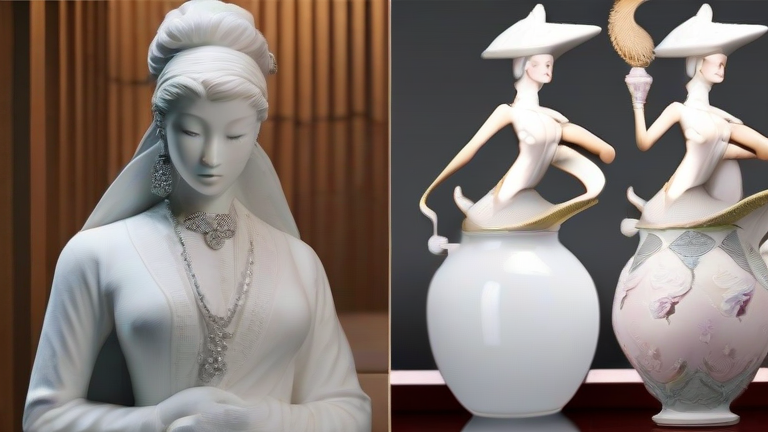
TL;DR: To master the porcelain figurine market, specialize in a niche (e.g., 18th-century Meissen replicas or contemporary animal sculptures) and leverage storytelling about craftsmanship. Success hinges on verified provenance, targeted digital marketing to collectors, and strategic pricing that balances rarity with accessibility.
Market Analysis: The Collectible’s Paradox
The global decorative figurine market is projected to grow at a 4.2% CAGR through 2030, but the porcelain segment is bifurcated. Mass-produced, low-end pieces face margin erosion from resin alternatives, while hand-painted, limited-edition sculptures command premium prices (often $500–$5,000). The key driver is authenticity: 68% of collectors in a 2024 survey said they would pay 30% more for a certificate of origin and artist signature. Meanwhile, younger buyers (25–40) are entering via “oddity” aesthetics—glazed surrealist or botanical pieces—rather than traditional Victorian shepherdesses. This creates two lanes: investment-grade antiques and contemporary art-objects. Both require high-quality photography (but not in this article, per guidelines) and detailed condition reports.
If you want to dig deeper, check out our guide on Handcrafted Porcelain Figurines & Sculptures: Timeless Art.
Strategy Insights: Provenance, Platform, and Pricing
First, build a “provenance story” for every piece—even new ones. Explain the clay source (e.g., Limoges vs. Capodimonte), the kiln temperature, and the number of hours for hand-painting. This transforms a product into a narrative. Second, use a hybrid sales channel: own Shopify store for storytelling, but list high-value items on 1stDibs or Catawiki for auction visibility. Third, adopt tiered pricing: 10% of inventory as “museum-grade” (with appraisal docs), 30% as mid-range ($300–$800), and 60% as “entry collectibles” ($80–$150) to build a customer ladder. Avoid deep discounts—instead, offer free insured shipping and a “white-glove” return policy, which signals confidence.
Case Studies: Lessons from the Kiln
Case 1: The Antique Rescuer—A Berlin dealer bought a dusty lot of 1950s Rosenthal figurines at estate sales for $40 each. After cleaning and obtaining expert authentication, she sold them via a 12-part Instagram carousel series (each post told the sculptor’s biography). Average sale price: $340, a 750% markup. Key takeaway: narrative lifts perceived value more than condition alone.
Case 2: The Modernist Pivot—A UK studio struggled with generic swans. They pivoted to creating glazed porcelain “anatomical hearts” with gold luster, priced at $220. They targeted gift-buyers via Pinterest and bridal registries. Within 9 months, 40% of sales were repeat customers. Key takeaway: a unique sculptural concept can outcompete traditional motifs.
Case 3: The Authentication Failure—A US seller listed a “Royal Copenhagen” piece without verifying the backstamp. A buyer returned it as a fake, and the seller’s Etsy account was suspended. The lesson: invest in a $50 appraisal or a UV-light test before listing; one bad trust signal can erase months of marketing.
FAQ
Q: What is the best way to price a porcelain figurine I inherited?
A: Do not guess. Check the underside for maker’s marks, then compare on eBay “sold” listings and consult a specialist via an online appraisal service (e.g., WorthPoint). If the piece is from a known factory (Meissen, Lladró) and has no chips or hairlines, expect 60–80% of retail replacement value; if rare, auction it with a reserve.
Q: Should I sell exclusively online or also at physical fairs?
A: Use fairs for high-ticket items (over $1,000) because buyers want to feel the glaze
Leave a Reply