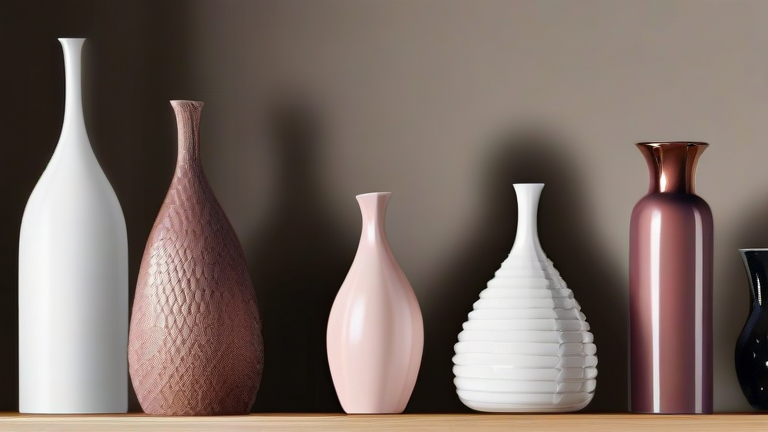
TL;DR: The latest porcelain figurine trend is “curated nostalgia”—mixing heirloom-quality sculptural pieces with modern, minimalist décor to tell a personal story. Yes, you can elevate your home by choosing figurines that reflect your travels, culinary passions, or cultural heritage, rather than hiding them away as dusty collectibles.
The New Rules of Porcelain Display
For decades, porcelain figurines were relegated to china cabinets—fragile relics of grandmother’s era, gathering dust behind glass. But a quiet revolution is happening in interior design. Today’s chicest homes feature porcelain as intentional sculpture, not sentimental clutter. The shift mirrors a broader cultural movement toward “slow living” and mindful consumption: we want objects that carry meaning, not mass-produced decor. Designers are now pairing a single, striking porcelain figure—like a hand-painted crane or a faceted abstract bust—with raw wood, linen, and brass. The contrast between delicate ceramic and rugged textures creates a visual tension that feels fresh, not fussy.
If you want to dig deeper, check out our guide on Handcrafted Porcelain Figurines & Sculptures: Timeless Art.
Travel-Inspired Figurines: Souvenirs with Soul
One of the most exciting trends is the “travel memoir” figurine. Instead of buying generic shot glasses, collectors are seeking artisan-crafted porcelain pieces that evoke a destination’s essence. Think a tiny Delft-blue windmill from the Netherlands, a Japanese netsuke-style fox, or a Portuguese rooster in hand-glazed cobalt. These pieces aren’t just decorations—they’re conversation starters that invite stories about your journeys. To style them, group three to five figurines on a floating shelf or mantel, but vary the heights and bases. Add a small card or handwritten label beneath each to share the origin story. This turns your shelf into a curated gallery of personal geography, blending travel, culture, and home design.
Food & Culture: The “Tabletop Theater” Trend
Another bold direction is the fusion of porcelain figurines with culinary culture. Designers are placing sculptural pieces—like a life-sized ceramic artichoke, a whimsical teapot shaped like a cabbag, or a pair of hands cradling a tiny loaf of bread—directly on dining tables or kitchen counters. These pieces nod to the farm-to-table aesthetic, celebrating food as art. For a personal growth angle, use them as daily mindfulness anchors: a figurine of a meditating Buddha or a small ceramic lotus can sit beside your coffee station, reminding you to pause before the rush begins. The key is restraint—one or two statement pieces, not a full menagerie. Pair them with neutral ceramics and unglazed stoneware to keep the look grounded.
How to Style Without the “Old Lady” Vibe
The biggest fear about porcelain is that it reads as dated. The fix? Context and curation. First, edit ruthlessly: display only pieces that you genuinely love, not inherited obligations. Second, mix eras and styles—a baroque cherub next to a minimalist white sphere feels avant-garde, not antique. Third, use negative space. Place a single figurine on a large tray with a candle or a stack of books; the emptiness around it makes the piece feel precious, not cluttered. Finally, consider scale. Oversized figurines (12 inches or taller) act as modern sculptures, while tiny ones work best in shadow boxes or under glass cloches. Lighting matters too—a small LED spotlight can transform a figurine into a dramatic focal point.
FAQ
Q: Can I mix porcelain figurines with modern art or abstract decor?
A: Absolutely—in fact, that’s the core of the trend. Pair a delicate porcelain figure with a bold abstract painting, a concrete vase, or a metal geometric lamp. The contrast highlights the figurine’s craftsmanship and prevents it from looking like a museum relic.
Q: How do I clean and maintain porcelain figurines without damaging them?
A: Use a soft, dry microfiber cloth to dust weekly. For deeper cleaning, dip a cotton swab in lukewarm water with a drop of mild dish soap,
Leave a Reply