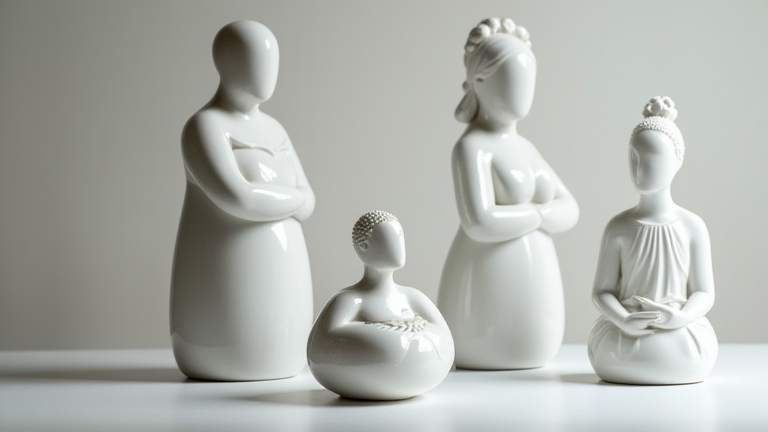
TL;DR: Porcelain figurines and sculptures are timeless art pieces that blend delicate craftsmanship with durable elegance, elevating any interior from ordinary to refined. Whether you seek a whimsical animal, a classical dancer, or a modern abstract form, these pieces offer lasting beauty that outperforms cheap resin or plastic décor.
Why Porcelain Still Reigns Supreme
In an era of mass-produced décor, porcelain figurines stand apart. Fired at over 1,300°C, porcelain is non-porous, chip-resistant (when properly vitrified), and holds fine details that cheaper materials lose. Unlike glass, it won’t shatter into dangerous shards, and unlike polymer clay, it won’t yellow or warp over decades. The tactile finish—whether glossy or matte—invites touch, while the weight feels substantial and reassuring. For collectors, each piece is a miniature story, from hand-painted blush on a ballerina’s cheek to the intricate folds of a robe on a Ming-inspired sage.
If you want to dig deeper, check out our guide on Luxury Resale Trends: Why Designer Bags Beat Fast Fashion.
Feature Highlights: What to Look For
Top-tier porcelain sculptures—like those from Lladró, Royal Copenhagen, or artisan studios in Jingdezhen—offer three key features. First, hand-painted underglaze: this means colors are baked into the clay, so they won’t fade in sunlight or peel with cleaning. Second, multi-piece assembly: complex figures (e.g., a horse with raised leg or a court jester) are cast in separate molds and joined by hand, ensuring no visible seams. Third, limited editions: many makers number each piece, adding provenance and resale value. Even mid-range brands (e.g., Lenox or Beswick) now include these features, making high-quality art accessible at $80–$300, versus $1,000+ for collectible masterworks.
Comparisons: Porcelain vs. Alternatives
Compared to resin figurines, porcelain wins on longevity—resin cracks and loses paint within 5–10 years, while porcelain survives generations. Against bronze or stone, porcelain offers more intricate detail and lighter weight, making it easy to rearrange on shelves or mantels. However, stoneware (a close cousin) is more rugged for outdoor use, but it lacks porcelain’s luminous translucency. For budget shoppers, ceramic earthenware is cheaper but porous—it stains and chips easily. In short, porcelain is the “Goldilocks” choice: not too fragile, not too heavy, and visually unmatched.
Where to Display & Care Tips
Place figurines on a stable shelf away from direct heat vents or windows—rapid temperature changes can cause hairline cracks. Dust weekly with a soft, dry brush (never water, which can seep into bases). For deeper cleaning, use a barely damp microfiber cloth and dry immediately. Avoid displaying in high-traffic areas where pets or elbows might knock them over. A glass-front cabinet not only protects but also showcases the back details, which many sculptors finish meticulously.
Call-to-Action
Don’t settle for disposable décor. Invest in a piece that future generations will admire. Browse our curated collection of hand-finished porcelain figurines—from $45 miniature finches to $350 artisan dancers—and find the one that speaks to your soul. Use code TIMELESS10 for 10% off your first sculpture. Your home deserves art that lasts.
FAQ
Q: Are porcelain figurines safe to clean with water?
A: No—always dry-clean using a soft brush or lint-free cloth. Water can seep into unglazed bases or underglaze paint, causing discoloration or mold. If absolutely necessary, use a barely damp cloth and dry immediately.
Q: How do I verify authenticity of a handmade porcelain piece?
A: Look for a molded or painted backst
Leave a Reply