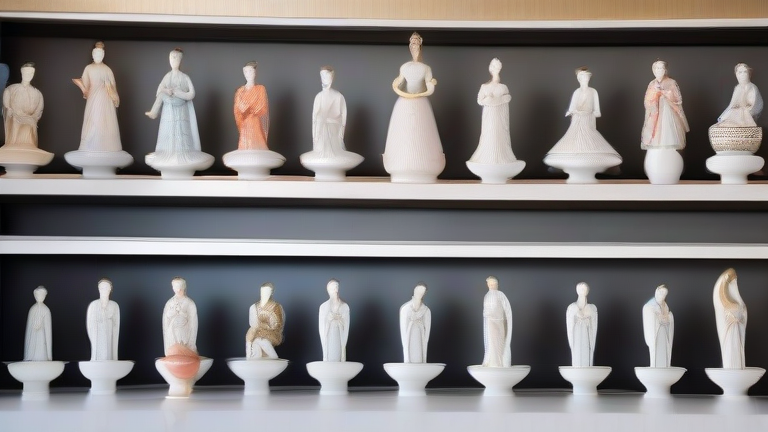
TL;DR: Porcelain figurines are no longer dusty heirlooms; they are versatile sculptural accents that bridge tradition and contemporary minimalism. By styling them with modern textures and lighting, these delicate pieces add storytelling and tactile warmth to any room.
The Art of Slow Decor: Why Porcelain Belongs in Modern Homes
In an era of mass-produced flat-pack furniture, the hand-painted blush of a porcelain figurine feels like a quiet rebellion. Unlike trend-driven decor, a single figurine—whether a leaping hare, a serene Geisha, or a whimsical fruit seller—carries the weight of craftsmanship. Each curve and glaze tells a story of kiln fires and steady hands, offering a counterpoint to the sterile gloss of modern surfaces. This is not nostalgia for nostalgia’s sake; it is a deliberate choice to invite imperfection and history into a space that often prioritizes efficiency over soul.
If you want to dig deeper, check out our guide on 10 Emerging Fashion Trends Dominating TikTok Shop’s Viral Ca.
Travel and Culture: Souvenirs with a Sculptural Soul
For the modern traveler, porcelain figurines are the ultimate cultural artifact. Instead of buying a refrigerator magnet, consider a tiny Delft blue windmill from the Netherlands or a hand-painted Matryoshka-inspired ballerina from St. Petersburg. These pieces act as three-dimensional postcards, grounding memories in physical form. When styled on a bookshelf beside a travel journal or atop a stack of coffee-table books about Kyoto, they transform a generic living room into a personal museum. The key is curation: limit yourself to three or five pieces, allowing each to breathe rather than clutter.
Personal Growth Through the Ritual of Placement
Decorating with porcelain figurines is an exercise in mindfulness. Unlike a quick wallpaper change, choosing where to place a figurine requires you to consider light, sightlines, and negative space. This ritual forces you to slow down and notice your environment. A small porcelain owl on a windowsill can become a daily anchor for a morning coffee ritual, while a pair of dancing figures on a mantelpiece serves as a gentle reminder to find joy in motion. Over time, these tiny sculptures become silent companions, reflecting your evolving taste and the stories you choose to keep close.
Styling Tips for the Modern Eye
Avoid the “grandma’s cabinet” effect by mixing materials. Place a white porcelain bust on a raw oak console, or nestle a cobalt-blue figurine among brass candleholders and linen textures. Use odd numbers—three figurines in varying heights create dynamic rhythm. For a bold statement, group a collection of miniature animals on a floating shelf above a neutral sofa. The contrast between delicate porcelain and rugged concrete or matte black metal creates a curated, gallery-like feel. Remember: less is more. One exquisite piece on a coffee table beats a shelf full of dust-gathering clutter.
FAQ
Q: Are porcelain figurines too fragile for homes with pets or children?
A: Not if you choose wisely. Opt for sturdy, low-to-the-ground pieces (like a sitting cat or a squatting cherub) and display them on high shelves or inside glass-front cabinets. For high-traffic zones, select figurines with a thicker glaze and no protruding limbs—these are surprisingly resilient.
Q: How do I clean porcelain figurines without damaging the paint?
A: Use a soft, dry microfiber cloth or a fine makeup brush to dust weekly. For deeper cleaning, dip a cotton swab in lukewarm water with a drop of mild dish soap, then gently dab (never scrub) the surface. Avoid submerging the piece in water, as this can weaken the adhesive under the base.
Q: Can modern porcelain figurines be a good investment or collectible?
A: Yes, but focus on limited editions from contemporary studios like Royal Copenhagen or Lladró, or antique pieces from Meissen and Capodimonte. Value grows with provenance and condition, but more importantly, a well-loved figurine offers daily aesthetic returns that no stock market can match.
Leave a Reply