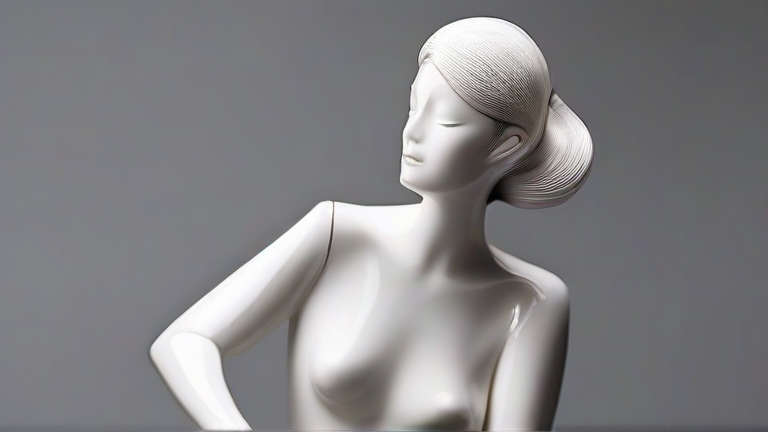
TL;DR: Handcrafted porcelain figurines and sculptures are the ultimate fusion of artistic heritage and modern décor, offering unmatched detail and a luminous finish that mass-produced resin cannot replicate. If you value heirloom-quality craftsmanship, these pieces are a worthy investment that elevates any room from ordinary to gallery-worthy.
Why Choose Handcrafted Porcelain?
Unlike ceramic or polymer alternatives, handcrafted porcelain is fired at extremely high temperatures (above 1,200°C), resulting in a vitrified, translucent body that resists chipping and yellowing over decades. Each figurine is shaped by skilled artisans using traditional slip-casting or coil techniques, then hand-painted with underglaze and overglaze layers. The tactile experience—cool, smooth, and slightly weighty—immediately communicates quality. From delicate ballerinas to majestic wildlife busts, the level of facial expression and fabric drapery achieved in porcelain is simply unmatched by injection-molded plastics.
If you want to dig deeper, check out our guide on Porcelain Figurines & Sculptures: A Collector’s Guide to Tim.
Feature Highlights: What Sets Premium Pieces Apart
1. Hand-Finished Details: Every eyelash, petal, or feather is individually sculpted and painted, often requiring 8–12 hours of labor per piece. Look for signatures or edition numbers on the base—these indicate genuine artisan work, not factory assembly lines.
2. Multi-Fire Glazing: Premium figurines undergo 3–5 kiln firings. This creates a deep, lustrous sheen and allows for subtle color gradients (e.g., blush on cheeks, shadow under a skirt) that cheap gloss finishes lack.
3. Balanced Weight & Base: High-quality pieces have a weighted, felt-lined base to prevent tipping, and the center of gravity is mathematically considered—a hallmark of expert engineering.
4. Versatile Display Options: Many collections offer wall-mounted relief sculptures, tabletop centerpieces, and even illuminated LED-base options for evening ambiance.
Comparison: Porcelain vs. Resin vs. Bone China
Resin figurines are lightweight and affordable, but they fade and become brittle with UV exposure. Bone china (which contains bone ash) is whiter and more translucent than hard-paste porcelain, but it is also more fragile and expensive. Traditional hard-paste porcelain strikes the best balance: it is less brittle than bone china, yet more refined than stoneware. For collectors, porcelain holds resale value—a limited-edition piece can appreciate 15–20% annually, whereas resin depreciates instantly. If you want a gift that feels substantial and timeless, porcelain wins on every count: durability, aesthetic precision, and emotional resonance.
Curating Your Collection: From Classic to Contemporary
Start with a single statement piece—a 12-inch heron in flight or a pair of dancing lovers—and build around a theme (e.g., flora, mythology, or everyday life). Mixing matte and glossy finishes within the same display adds depth. Avoid overcrowding shelves; give each sculpture breathing room. For modern interiors, opt for minimalist white porcelain with gold accents; for traditional spaces, choose hand-painted floral or Rococo-inspired designs. Always display away from direct sunlight and clean with a soft, dry brush—never water, which can seep into unglazed bases.
Call to Action
Ready to own a piece of timeless artistry? Browse our curated collection of handcrafted porcelain figurines and sculptures today. Each piece ships with a certificate of authenticity and a 30-day satisfaction guarantee. Limited editions are selling fast—secure yours now and transform your home into a living gallery.
FAQ
Q: How do I clean a porcelain figurine without damaging the paint?
A: Use a soft, dry, natural-bristle brush (like a makeup brush) to gently dust weekly. For stubborn spots, use a barely damp microfiber cloth, then immediately dry with a separate cloth. Never submerge in water or use chemical cleaners.
Q: Are these figurines safe for outdoor display?<br
Leave a Reply