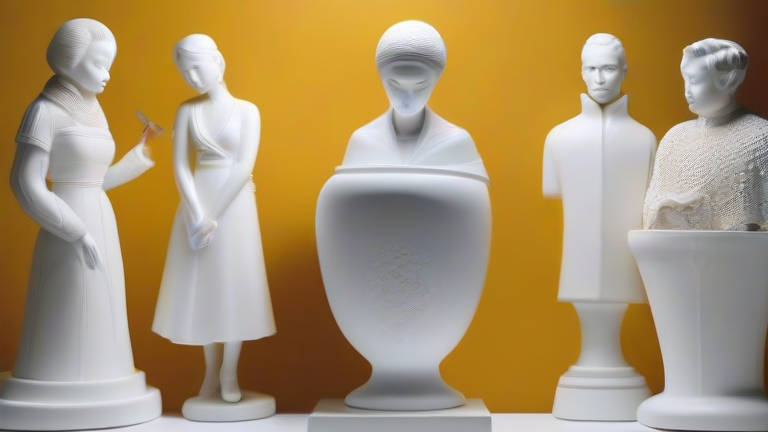
Tech Trends: Digital Preservation of Porcelain Figurines
TL;DR: Advanced photogrammetry and structured light scanning now enable the creation of millimeter-accurate 3D digital twins of rare porcelain figurines. This technology ensures long-term cultural preservation and allows for virtual curation without risking physical damage to fragile artifacts.
The intersection of heritage conservation and high-precision digital imaging is reshaping how museums and collectors handle delicate porcelain figurines. Traditional documentation methods, such as photography and manual measurements, often lack the spatial accuracy required to fully capture the intricate details of glazed surfaces. However, recent breakthroughs in non-contact 3D scanning technology have solved this problem. By using structured light scanners that project patterns of light onto the object, technicians can capture surface geometry with sub-millimeter precision. This is crucial for porcelain, which is notoriously prone to chipping and cracking if handled excessively. The resulting point clouds are processed into high-resolution mesh models that preserve every glaze ripple and sculptural nuance.
If you want to dig deeper, check out our guide on How to Make Porcelain Figurines: A Complete Beginner’s Guide.
Latest Developments and Specifications
The latest generation of scanners for delicate ceramics boasts resolutions exceeding 0.05 millimeters. These devices operate without lasers, eliminating the risk of thermal damage to sensitive glazes. Furthermore, the integration of RGB texture mapping allows for the capture of color data with high dynamic range, ensuring that the subtle iridescence of Meissen or Jingdezhen porcelain is accurately rendered. Modern software pipelines now include automated alignment algorithms that stitch multiple scan angles together seamlessly. This reduces processing time from days to hours. Additionally, cloud-based storage solutions specifically designed for large 3D assets provide secure, redundant backups. These systems support file formats like OBJ, FBX, and USDZ, ensuring compatibility with both archival systems and consumer-facing applications. The total cost of ownership has decreased significantly, making high-fidelity digitization accessible to mid-sized museums and private collections that previously could not afford such specialized equipment.
Industry Impact
The impact on the art market is profound. Auction houses now provide digital twins alongside physical lots, allowing global bidders to inspect items from every angle before bidding. This transparency reduces the risk of fraud and increases buyer confidence. For museums, digital preservation offers a safety net against disasters such as fires or earthquakes. If the physical artifact is lost, the digital twin remains. Moreover, these 3D models facilitate virtual exhibitions, extending the reach of collections to digital audiences worldwide. The technology also aids in restoration efforts, as conservators can simulate repairs virtually before applying physical interventions. This minimizes the risk of irreversible damage. As 5G networks expand, the bandwidth required to stream these heavy 3D models will become less of a barrier. This will lead to immersive virtual reality experiences where users can walk through virtual galleries and interact with porcelain figurines as if they were holding them. The preservation of these cultural treasures is no longer just about storage; it is about active, digital engagement.
FAQ
Q: What is the primary benefit of digitizing porcelain figurines?
A: It creates a permanent, unalterable record that protects the cultural value of the artifact even if the physical object is damaged or lost.
Q: Can 3D scanning damage delicate porcelain surfaces?
A: No, modern structured light and photogrammetry methods are non-contact and non-invasive, posing no risk to the physical integrity of the glaze or clay.
Q: How accurate are current 3D models of small figurines?
A: High-end systems achieve sub-millimeter accuracy, capturing fine details like hair strands or facial expressions with exceptional fidelity.
Leave a Reply