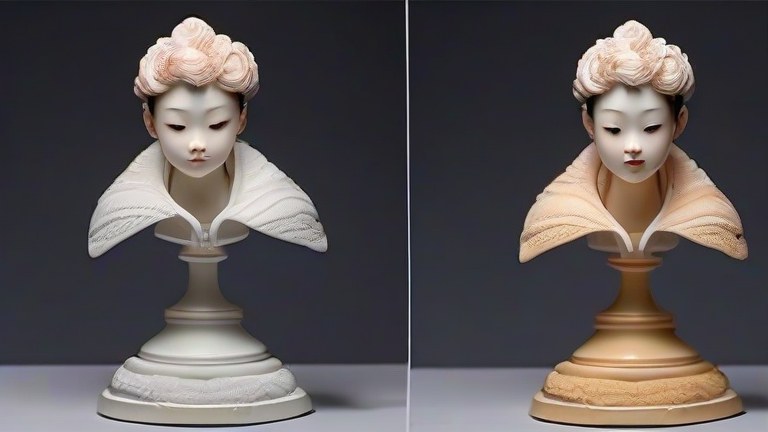
Tech & Porcelain: 3D Printing & AR for Figurines
TL;DR: Advanced digital sintering and augmented reality are revolutionizing the creation of porcelain figurines by enabling complex geometries previously impossible to mold by hand. This technology allows artists to produce museum-quality ceramic sculptures with unprecedented detail and precision while offering consumers immersive digital previews before purchase.
The intersection of traditional ceramic arts and modern digital fabrication is reshaping the landscape of decorative figurines. Porcelain, long revered for its translucency and strength, now benefits from the precision of additive manufacturing. Unlike traditional slip casting, which relies on plaster molds that degrade over time and limit design complexity, digital 3D printing allows for the creation of intricate, free-standing porcelain sculptures. The latest developments in ceramic 3D printing focus on improving material consistency and surface finish, reducing the need for extensive post-processing. Modern printers can now handle fine porcelain slip formulations that cure uniformly, ensuring the structural integrity of delicate features such as thin wings on faience birds or the lace-like details of classical busts. This shift is not merely about speed; it is about expanding the artistic vocabulary available to potters and designers. Artists can now iterate on designs digitally, testing structural stability through simulation before committing to physical production, thereby reducing waste and material costs significantly.
If you want to dig deeper, check out our guide on Porcelain Figurines: Timeless Beauty & Collectible Value.
Technical Specifications and Material Science
At the core of this technological leap is the advancement in ceramic feedstock technology. High-quality porcelain slurries are now engineered with specific viscosity profiles that allow for layer-by-layer deposition without sagging. Recent printers utilize high-precision gantry systems capable of achieving layer heights as low as 50 microns. This resolution is critical for porcelain figurines, where minute surface textures and sharp edges define the aesthetic value. The firing process remains a crucial challenge, as porcelain requires temperatures exceeding 1,200 degrees Celsius to achieve vitrification. To manage thermal stress during the firing of 3D-printed porcelain, engineers have developed support structures that are designed to be easily removed or burned out cleanly. Furthermore, the integration of photopolymerization techniques in some hybrid systems allows for even finer detail capture, although traditional powder bed fusion remains the dominant method for large-scale porcelain production due to its material versatility.
Augmented Reality and Consumer Experience
While 3D printing handles the production, Augmented Reality (AR) is transforming how consumers interact with these digital-native porcelain objects. Before a figurine is ever printed, buyers can use smartphone applications to place a photorealistic 3D model of the porcelain sculpture in their living room. This AR integration helps customers understand the scale, translucency, and color variations of the finished piece. It also allows for personalized customization, where users can select glaze colors or surface finishes in real-time. The industry impact of this combination is profound. Galleries and boutiques are seeing reduced return rates because customers have accurate expectations of the physical product. For manufacturers, this digital-first approach enables on-demand production models, reducing inventory overhead. As the technology matures, we can expect a surge in bespoke porcelain art, where every figurine is a unique, digitally designed, and physically realized object that bridges the gap between high-tech innovation and timeless ceramic craftsmanship.
FAQ
Q: Can 3D printed porcelain achieve the same translucency as traditional porcelain?
A: Yes, modern digital sintering techniques produce porcelain with comparable translucency and density, provided the correct firing schedules and high-quality raw materials are used.
Q: What is the primary advantage of AR in the sale of porcelain figurines?
A: AR allows customers to visualize the scale and aesthetic of the figurine in their actual environment, significantly reducing uncertainty and purchase hesitation.
Q: Are 3D printed porcelain figurines more durable than hand-thrown ones?
A: They are often more structurally consistent due to uniform material distribution, though durability ultimately depends on the firing process and the specific porcelain formulation used.
Leave a Reply