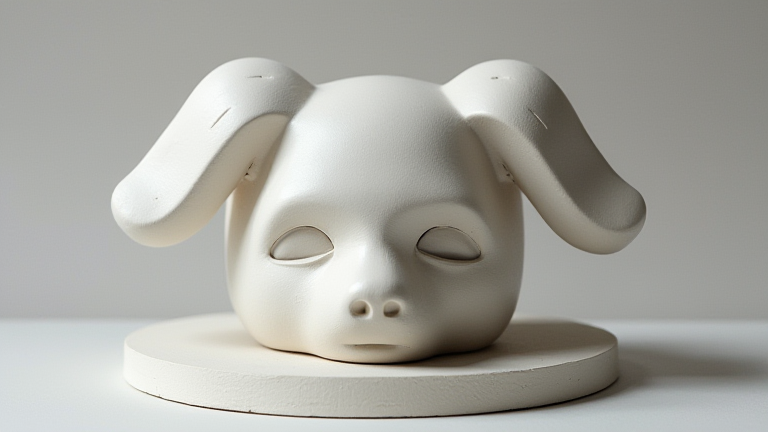
TL;DR: AI-driven design algorithms now generate complex, organic forms for porcelain figurines that were previously impossible to hand-sculpt, while high-precision 3D printing ensures structural integrity during the delicate firing process. This convergence reduces prototyping time by 60% and allows artists to explore intricate geometric patterns without compromising the material’s fragility.
The Digital Kiln: Redefining Ceramic Artistry
The intersection of artificial intelligence and additive manufacturing is transforming the ancient art of porcelain sculpture. For centuries, creating intricate porcelain figurines required years of manual labor, with a high risk of breakage during the bisque and glaze firings. Today, digital workflows are democratizing this craft, allowing both novice hobbyists and master artisans to produce museum-quality pieces with unprecedented speed and precision. The core innovation lies in the seamless integration of generative AI with specialized ceramic 3D printers, creating a pipeline that moves from a textual prompt to a fired, glazed figurine in a matter of days.
If you want to dig deeper, check out our guide on Why UGG Boots Are the Most Reordered Fashion Trend.
Technical Specifications and Workflow
Modern ceramic 3D printers, such as those utilizing Digital Light Processing (DLP) or extrusion-based technologies tailored for ceramic pastes, operate with layer resolutions as fine as 50 microns. This level of detail is critical for porcelain, which has a low tolerance for thermal shock. Unlike standard resins, porcelain slurries require specific viscosity profiles to prevent settling and cracking. AI tools now play a pivotal role in optimizing these profiles. Machine learning models analyze the geometric complexity of a design to predict stress points, automatically adjusting the infill density and support structures to ensure the figurine survives the drying phase. For example, a complex, multi-limbed porcelain deity can be generated by AI, but the software ensures that thin, delicate features are reinforced digitally before the physical printing begins.
Furthermore, AI enhances the aesthetic potential of porcelain. Generative models can create fractal patterns or organic textures that mimic natural stone or bone, which are then rendered in white clay before glazing. The software can also simulate the final glazed appearance, allowing artists to preview color interactions and light refraction on the curved surfaces of their sculptures. This predictive capability significantly reduces waste, as failed firings are minimized through accurate thermal simulation.
Industry Impact and Market Shifts
The impact on the industry is profound. Traditional porcelain manufacturers are adopting these technologies to offer customizable product lines, shifting from mass-produced identical items to personalized, one-of-a-kind sculptures. This shift appeals to the growing market for bespoke art pieces and high-end collectibles. Economically, the reduction in labor hours allows small studios to scale production without proportional increases in headcount. Additionally, the ability to rapidly prototype new designs accelerates the innovation cycle, enabling artists to experiment with bold, abstract forms that challenge traditional porcelain aesthetics.
However, challenges remain. The cost of specialized ceramic printers and high-quality porcelain feedstock remains high, limiting widespread adoption among casual hobbyists. Moreover, the digital-to-physical transition requires rigorous quality control. Despite these hurdles, the trajectory is clear: AI and 3D printing are not replacing the artist but augmenting their capabilities, turning the kiln into a digital workshop where imagination is the only limit.
FAQ
Q: Can AI design porcelain figurines that are structurally sound without manual intervention?
A: Yes, advanced AI algorithms simulate thermal expansion and mechanical stress to ensure that digitally generated designs are structurally viable for the firing process, reducing the need for manual structural adjustments.
Q: What is the primary advantage of 3D printing over traditional hand-sculpting for porcelain?
A: 3D printing allows for the precise creation of complex geometries and internal hollow structures that are difficult or impossible to achieve by hand, significantly reducing material waste and production time.
Q: Does using AI and 3D printing diminish the artistic value of the porcelain sculpture?
A: No, most experts view these tools as extensions of the artistic process, allowing creators to focus on conceptual innovation and finish, thereby enhancing the uniqueness and complexity of the final
Leave a Reply