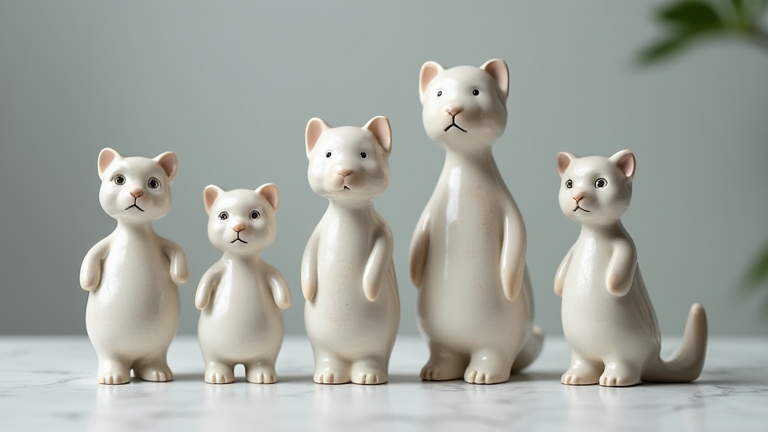
TL;DR: Handcrafted porcelain figurines are the pinnacle of timeless sculpture art, merging centuries-old kiln techniques with modern aesthetic precision. If you value heirloom-quality décor that outlasts trends, these pieces offer unmatched detail and emotional resonance that mass-produced resin alternatives simply cannot replicate.
Feature Highlights: Why Porcelain Stands Alone
The first thing you notice is the tactile weight—real porcelain feels cool, dense, and almost silken to the touch. Unlike ceramic or plaster, high-fired porcelain (at 1,300°C) produces a vitrified surface that resists chipping and moisture absorption. Each figurine is hand-painted with mineral glazes, meaning no two pieces share identical shading. Look for underglaze blue details, delicate lace-work molded by hand, and gilded accents that catch light without glittering cheaply. The base is usually hollowed to prevent cracking during firing, and the artist’s signature or studio mark is incised into the clay—a mark of authenticity you won’t find on factory goods.
If you want to dig deeper, check out our guide on Master Porcelain Sculpting: A Step-by-Step Beginner’s Guide.
Another standout feature is the dynamic composition. Classic ballerinas, pastoral shepherdesses, or mythical dragons are sculpted mid-motion, with flowing drapery and expressive faces. The best makers (e.g., Royal Copenhagen, Lladró, or small ateliers in Jingdezhen) achieve translucent “eggshell” thickness in wings or petals, allowing backlight to glow through. These figurines are not just ornaments; they are frozen narratives that reward close inspection for years.
Comparisons: Porcelain vs. Resin vs. Bone China
Resin figurines cost a fraction (often $20–$50) and can mimic fine detail, but they yellow over time, feel hollow, and lack the resonant “ping” of porcelain. Bone china adds calcium phosphate for extra whiteness, but it is more brittle and often less intricately carved due to its lower plasticity. In contrast, handcrafted porcelain offers superior longevity—a 19th-century Meissen piece still holds its glaze today. The price gap is real ($80–$500 for a mid-size artisan piece), but you are paying for 40–60 hours of human skill, not a mold. For collectors, porcelain also retains resale value, whereas resin is effectively worthless after purchase.
When comparing artists, Japanese Noritake emphasizes floral realism, while European studios favor rococo drama. If you prefer minimalist modernism, look for white-glazed Scandinavian designs. Always check the firing method: “biscuit” porcelain (matte finish) absorbs fingerprints, so opt for glossy glaze if the piece will be handled often.
Call-to-Action: Bring Home a Legacy Today
Stop settling for mass-produced clutter. Visit your local artisan gallery or a trusted online marketplace like Etsy (filter for “hand-painted porcelain”) and request a video of the piece under natural light. Start with a single figurine—perhaps a robin perched on a branch or a dancing couple—and place it where morning sun hits it. You’ll instantly understand why these sculptures have adorned royal cabinets and humble mantels alike for three centuries. Ship a set as a wedding gift, or treat yourself to a birthday piece you’ll pass down. Don’t wait; small-batch kilns often have waitlists of six months. Own a sculpture that breathes history.
FAQ
Q: How do I clean handcrafted porcelain without damaging the glaze?
A: Dust weekly with a soft, dry sable brush. For deeper cleaning, use a lukewarm water bath with a drop of pH-neutral dish soap, then rinse and pat dry with microfiber. Never soak, and avoid abrasive sponges or ultrasonic cleaners, which can strip gold accents.
Q: Are porcelain figurines safe to display outdoors?
A: No. Even though high-fired porcelain resists water, frost can crack micro-cracks, and UV rays will fade hand-painted pigments. Keep them indoors, away from direct window sunlight and heat vents, to preserve the glaze for decades.
Leave a Reply