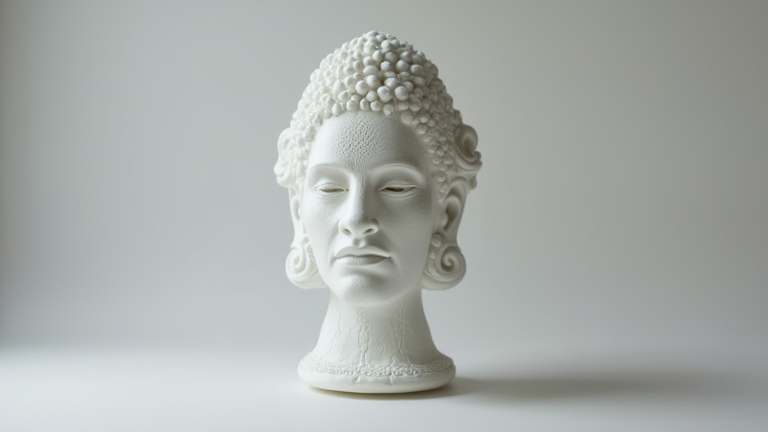
Tech Behind Porcelain Sculptures: 3D Printing & Digital Design
TL;DR: Modern porcelain sculpture relies on high-resolution digital design software and specialized stereolithography or material jetting 3D printing to create precise molds and cores. This integration allows artists to produce complex, thin-walled figurines with unprecedented detail, significantly reducing waste and accelerating the production cycle for high-end ceramic art.
The intersection of digital fabrication and traditional ceramics has revolutionized the creation of porcelain figurines and sculptures. Historically, crafting intricate porcelain pieces involved laborious hand-carving of clay masters and the creation of multi-part plaster molds. Today, digital workflows have streamlined this process, enabling artists and manufacturers to translate complex digital models directly into physical porcelain objects. The key to this transformation lies in the synergy between advanced CAD software and high-fidelity 3D printing technologies, which ensure that every curve and detail is captured with millimeter precision before the ceramic firing process begins.
If you want to dig deeper, check out our guide on Tech Meets Tradition: Innovating Porcelain Sculpture.
Latest Developments in Digital Design
Recent advancements in digital design tools have empowered sculptors to manipulate forms with ease. Software like ZBrush and Blender now supports real-time subdivision surface modeling, allowing for the creation of hyper-detailed features such as individual strands of hair on porcelain figurines or delicate floral patterns on decorative vases. These programs integrate directly with 3D printing pipelines, ensuring that the digital file is “print-ready” by automatically checking for wall thickness consistency. For porcelain, which is prone to cracking during the drying and firing stages, maintaining uniform wall thickness is critical. New algorithms can automatically adjust the geometry to prevent structural failure, a significant improvement over manual modeling. Additionally, the rise of procedural generation allows artists to create unique variations of a single design, enabling the production of limited-edition series of porcelain sculptures with subtle, algorithmically generated differences.
3D Printing Specifications and Materials
The hardware specifications for printing porcelain-centric molds and cores have reached new heights. Modern Material Jetting printers, such as those from ExOne and Sinterit, can achieve layer heights as low as 0.05 millimeters. This resolution is essential for capturing the fine details required for high-quality porcelain figurines. When printing the investment molds used in lost-wax casting, printers utilize a mixture of silica-based resins that can withstand the high temperatures of the ceramic firing process. For direct porcelain printing, some emerging technologies use ceramic pastes that are digitally deposited and then sintered in industrial kilns. The sintering temperature typically reaches 1,400 degrees Celsius, where the porous printed structure fuses into a dense, vitrified porcelain body. The resulting material exhibits a compressive strength of over 100 MPa, comparable to traditional hand-thrown porcelain, but with far greater geometric complexity.
Industry Impact and Future Prospects
The impact of these technologies on the porcelain industry is profound. Production times for complex figurines have decreased by up to 40%, while material waste has been minimized through optimized material usage in digital slicing. This efficiency allows smaller studios to compete with large manufacturers, democratizing access to high-end ceramic art. Furthermore, the ability to digitally archive and replicate designs ensures that classic porcelain sculptures can be reproduced exactly for future generations, preserving artistic heritage. As 3D printing materials continue to evolve, we can expect even finer details and new structural possibilities in porcelain art, blending the warmth of traditional craftsmanship with the precision of digital fabrication.
FAQ
Q: Can 3D printed porcelain be as durable as traditional hand-made pieces?
A: Yes, when using industrial-grade ceramic pastes and proper sintering protocols, 3D printed porcelain achieves comparable density and compressive strength to traditional methods, often exceeding it in structural consistency.
Q: What is the minimum detail size achievable in porcelain figurines using current 3D printing?
A: Current high-resolution material jetting printers can resolve details as small as 0.05 millimeters, allowing for intricate features like fine facial expressions and delicate textures on porcelain sculptures.
Q: How does digital design
Leave a Reply