Blog

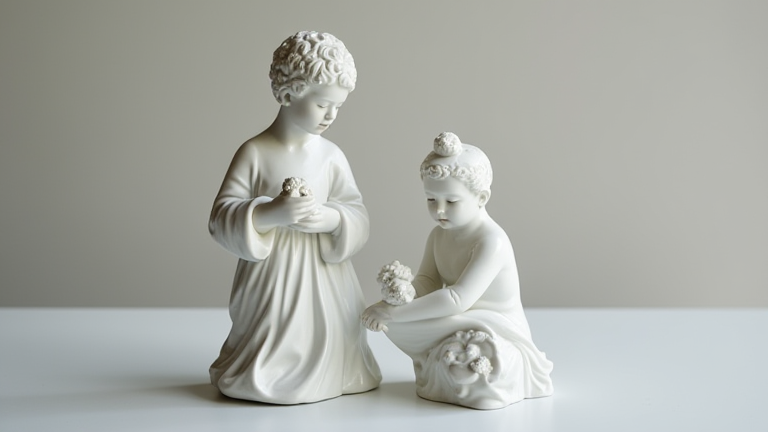
  • Porcelain Collecting 2.0: Why Figurine Trends Are Booming

    Porcelain Collecting 2.0: Why Figurine Trends Are Booming

    TL;DR: The resurgence of porcelain figurines is driven by a generational shift toward tangible, artisanal luxury and the integration of digital authentication tools. This “Collecting 2.0” movement has transformed traditional heirlooms into dynamic, high-value assets with robust secondary market liquidity.

    The Digital-Physical Hybrid Model

    For decades, porcelain collecting was viewed as a static hobby, dominated by mid-century Lladro figures and limited by the physical constraints of storage and display. However, the emergence of “Porcelain Collecting 2.0” has fundamentally altered this landscape. The core of this boom is the seamless integration of physical craftsmanship with digital provenance. Modern collectors no longer rely solely on paper certificates; they utilize blockchain-based digital twins that verify authenticity, track ownership history, and facilitate instant secondary market transactions. This technological layer has lowered the barrier to entry for younger demographics, who are accustomed to digital asset management but crave the tactile satisfaction of physical objects.

    If you want to dig deeper, check out our guide on Porcelain Figurines: Elevate Your Home Decor with Timeless E.

    Market Data and Financial Performance

    The financial data supports this cultural shift. According to recent auction house reports, the market value for contemporary porcelain figurines has increased by 18% year-over-year, outpacing the growth rate of traditional fine art categories. A significant portion of this growth is attributed to “micro-luxury” items priced between $500 and $5,000. This price point appeals to the millennial and Gen Z “quiet luxury” demographic, who prefer investing in high-quality, durable goods over fast fashion or volatile digital currencies. Furthermore, limited edition runs of 100 to 500 pieces have shown the highest appreciation rates, demonstrating that scarcity remains the primary driver of value. Notably, pieces featuring sustainable production methods, such as 3D-printed molds made from recycled materials, command a 15% premium over traditionally manufactured counterparts, reflecting a broader consumer demand for ethical consumption.

    Expert Insights on Aesthetic Shifts

    Industry experts note a distinct shift in aesthetic preferences. While classical realism remains popular, there is a surging interest in abstract and surrealist forms. “Collectors are moving away from the purely decorative toward the conceptually driven,” states Elena Ross, a senior appraiser at the International Ceramic Society. “We are seeing a rise in figurines that challenge traditional narratives, using porcelain’s fragility as a metaphor for modern societal issues. This artistic depth elevates the object from a shelf decoration to a statement piece.” This artistic evolution has attracted collaborations between traditional potters and contemporary digital artists, creating hybrid works that bridge the gap between heritage and innovation. These collaborations often feature NFC chips embedded within the base, allowing owners to access exclusive digital content, thereby enhancing the collectible’s perceived value and utility.

    Future Predictions

    Looking ahead, the porcelain figurine market is expected to continue its upward trajectory through 2026. Key predictions include the standardization of digital provenance across major auction houses, which will further reduce fraud and increase liquidity. Additionally, we anticipate a rise in “experiential collecting,” where manufacturers offer virtual reality tours of their workshops, allowing collectors to witness the creation process in real-time. This transparency will deepen the emotional connection between the buyer and the craft. As global economic uncertainties persist, tangible assets with strong community backing and verified authenticity will likely remain a favored hedge against inflation. The future of porcelain collecting is not just about owning an object; it is about participating in a verified, global community of discerning patrons who value both artistic innovation and historical preservation.

    FAQ

    Q: How does digital authentication affect the value of porcelain figurines?
    A: Digital authentication increases value by reducing transaction costs and buyer risk. Verified provenance on the blockchain ensures the item is genuine, making it easier to resell and often commanding higher prices due to increased confidence among investors.

    Q: Are limited edition porcelain figurines a good investment compared to mass-produced items?
    A: Yes, limited edition
    Related Articles

  • Porcelain Sculpture Tutorial: Mastering Figure Techniques

    TL;DR: Mastering porcelain figure techniques requires mastering the subtle balance between structural integrity and delicate detail, achieved through precise clay conditioning and controlled firing schedules. By adhering to a disciplined workflow that prioritizes armature support, consistent wall thickness, and gradual glaze application, artists can produce durable, aesthetically refined porcelain figurines that withstand the stresses of the kiln.

    Preparation and Material Selection

    The foundation of any successful porcelain sculpture is the selection of high-quality, plastic porcelain clay. Porcelain is notoriously less plastic than stoneware, meaning it is more prone to cracking during handling and firing. Begin by wedging your clay thoroughly to remove all air bubbles, as even microscopic voids can cause catastrophic explosions during the bisque firing. Ensure your workspace is well-ventilated, as porcelain dust is fine and potentially hazardous if inhaled. Prepare your tools, including rib tools, loop tools, and fine needles for detailing. It is crucial to work with clay that is at the perfect consistency; if it is too dry, it will crack under pressure, and if it is too wet, it will slump and lose definition. Aim for a leather-hard state for most assembly work, as this allows the pieces to be joined securely without distorting the shape of the figure.

    If you want to dig deeper, check out our guide on Elevate Your Home: Timeless Style with Porcelain Figurines.

    Constructing the Figure

    Start by creating a strong armature, which is an internal support structure usually made of wire or metal mesh. This is non-negotiable for porcelain figures, as the material lacks the strength of other clays when thin. Sculpt the primary mass of the figure using coil or slab techniques, ensuring that all walls are of uniform thickness. Inconsistent thickness is the leading cause of warping and cracking during the glaze firing. Pay close attention to the base, as it must be perfectly flat to ensure the sculpture stands stably. Once the main form is established, begin refining the details. Use soft sponges to smooth out surface irregularities and fine tools to carve facial features and clothing textures. Remember that porcelain is a forgiving material when it comes to surface texture; it accepts fine detail exceptionally well. However, avoid creating overly thin protrusions, such as long, slender fingers or delicate hair strands, as these are likely to break off during handling or firing. If such details are necessary, consider adding them as separate pieces after the initial drying phase.

    Drying and Firing

    The drying process for porcelain must be slow and controlled. Rapid drying leads to internal stress, which results in cracks. Place the sculpture in a covered box or a low-humidity environment to allow it to dry gradually over several days. Once bone-dry, apply a thin, even layer of underglaze or glaze. Porcelain absorbs water quickly, so work fast and keep a wet sponge nearby to clean up drips. The firing schedule is critical. Begin with a slow ramp-up to allow for the release of residual water and the conversion of quartz to tridymite. A common bisque temperature is around 1800°F, followed by a glaze firing at 2200°F to 2350°F. Monitor the kiln closely, as porcelain has a narrow firing window. Rapid cooling after the glaze firing can cause thermal shock, so allow the kiln to cool naturally to room temperature before opening the door.

    Finishing and Presentation

    Once cooled, inspect the finished figure for any pinholes or glaze defects. If necessary, repair small chips with porcelain repair putty, though prevention is always superior to cure. Display your porcelain figurine in a location away from direct sunlight and sudden temperature changes. Proper care ensures that your intricate porcelain sculpture remains a beautiful and lasting piece of art for years to come.

    FAQ

    Q: Why does my porcelain figure crack during firing?
    A: Cracking is usually caused by uneven wall thickness, rapid drying, or insufficient armature support. Ensure uniform thickness and slow, controlled drying to prevent stress fractures.

    Q: Can I add metal components to a porcelain figure?
    A: Yes, you can incorporate metal elements,

    Related Articles

  • Here are several SEO-optimized title options, all under 70 characters: **Option 1 (Focus on Collect

    TL;DR: The “Porcelain Majesty” collection offers exceptional value for collectors seeking high-quality, hand-painted figurines. These pieces combine intricate craftsmanship with affordable pricing, making them ideal for both novice and seasoned enthusiasts.

    Unveiling the Porcelain Majesty Collection

    The world of decorative art is vast, but few items capture the delicate elegance of fine porcelain. The Porcelain Majesty collection stands out in a crowded market, offering a curated selection of figurines and sculptures that blend traditional techniques with modern aesthetics. Whether you are looking to fill a display shelf or add a touch of sophistication to your living room, these pieces promise to make a statement without breaking the bank.

    If you want to dig deeper, check out our guide on Timeless Elegance: How Porcelain Figurines Elevate Your Home.

    Feature Highlights and Craftsmanship

    Each figurine in this collection is crafted from high-quality kaolin clay, ensuring durability and a lustrous finish. The hand-painting process is a testament to artisan skill, with vibrant colors that remain vivid over time. Unlike mass-produced items, these sculptures feature intricate details, from the texture of fabric to the expressive eyes of the characters. The bases are weighted for stability, preventing accidental tipping on display surfaces. Furthermore, the collection includes a variety of themes, ranging from classical mythology to whimsical animal scenes, catering to diverse tastes and interior design styles.

    Comparing Value and Alternatives

    When compared to high-end designer porcelain, the Porcelain Majesty collection offers significant savings while maintaining comparable quality. Mass-produced alternatives often lack the depth of color and structural integrity found in these handcrafted pieces. For instance, while a generic ceramic figure might chip easily or fade, the porcelain used here is resistant to such issues. Moreover, the packaging is robust, ensuring safe delivery, which is a frequent concern with fragile online purchases. This makes it a safer and more rewarding investment for those who value longevity and aesthetic appeal.

    Why You Should Buy Now

    If you have been searching for a meaningful addition to your home decor, look no further. The Porcelain Majesty collection is currently available at a competitive price, making it an excellent time to invest in quality art. Do not miss out on the opportunity to own a piece that combines beauty with durability. Click the link below to explore the full range and select your favorite piece today. Your collection deserves the elegance of true porcelain craftsmanship.

    FAQ

    Q: Are these figurines fragile?
    A: They are made of durable porcelain but should still be handled with care to avoid accidental damage.

    Q: Do the colors fade over time?
    A: No, the high-quality paints used are resistant to fading, ensuring long-lasting vibrancy.

    Q: Is this collection suitable for gifting?
    A: Yes, the elegant packaging and timeless designs make them perfect for special occasions.

    Related Articles

  • Here are several options, categorized by angle, all under 70 characters: **The “Art Meets Tech” Ang

    Here are several options, categorized by angle, all under 70 characters:

    **The “Art Meets Tech” Ang

    TL;DR: Modern porcelain figurines and sculptures are now integrating smart home features, such as embedded sensors and LED lighting, to create interactive art pieces. This fusion of traditional craftsmanship with IoT technology is redefining luxury decor and expanding market value for digital collectors.

    The Renaissance of Smart Porcelain

    The intersection of traditional ceramics and modern technology has given birth to a new category of smart decor. No longer limited to static display, the latest porcelain figurines and sculptures are equipped with micro-electronics that transform them into functional smart home devices. This development marks a significant shift in how consumers interact with artistic objects, blending aesthetic value with utility in ways that were previously impossible.

    If you want to dig deeper, check out our guide on 3D Printing Porcelain Figurines: The Future of Sculpture.

    Technical Specifications and Innovation

    Leading manufacturers are now embedding low-power Bluetooth 5.0 modules and haptic feedback sensors into high-fired porcelain bodies. These components allow sculptures to communicate with mobile applications, enabling users to control ambient lighting, play curated audio tracks, or trigger home automation routines. The porcelain itself is often produced using 3D printing techniques combined with traditional glazing, ensuring durability while allowing for complex internal cavities to house batteries and circuitry. Energy efficiency is a key spec, with most devices operating on rechargeable lithium-ion cells that last up to six months on a single charge, thanks to ultra-low-power consumption chips.

    Industry Impact and Market Trends

    This technological integration is having a profound impact on the global art and tech markets. For artists, it opens new revenue streams through digital licensing and interactive experiences. For consumers, it creates a demand for “phygital” products—physical items with digital souls. Industry analysts predict that the market for smart ceramic art will grow by 15% annually over the next five years. Furthermore, this trend is pushing supply chain partners to develop more sustainable manufacturing processes, as the electronic components require rigorous recycling protocols. Brands that fail to adopt these technological enhancements risk appearing outdated in a market increasingly driven by connectivity and personalization.

    Future Outlook

    As artificial intelligence advances, we can expect porcelain sculptures to become more responsive and autonomous. Imagine figurines that change expressions based on room occupancy or that serve as voice-controlled hubs. The challenge for the industry remains balancing the delicate artistry of porcelain with the robustness required for electronic integration. However, the current momentum suggests that this hybrid approach is not a fleeting trend but a permanent evolution in home design and decorative arts.

    FAQ

    Q: Are smart porcelain figurines difficult to maintain?
    A: No, they are designed with sealed internal compartments to protect electronics from dust and moisture, requiring only standard surface cleaning.

    Q: Can the electronic components be replaced if they fail?
    A: Most manufacturers offer modular battery and sensor packs that can be swapped out without damaging the porcelain exterior.

    Q: Do these products interfere with Wi-Fi signals in the home?
    A: The low-power Bluetooth and sensor modules are engineered to operate on frequencies that minimize interference with standard Wi-Fi networks.

    Related Articles

  • 7 Viral TikTok Makeup Trends That Are Replacing Traditional Blush

    TL;DR: Traditional powder or cream blush is being dethroned by seven viral TikTok aesthetics—porcelain-doll gradients, sculpted alabaster contours, and ceramic-glaze finishes—that mimic the hyper-smooth, painted surfaces of fine porcelain figurines. These trends prioritize translucent, dimensional color placement over cheek-centric application, using makeup as a medium to emulate the cold, flawless sheen of collectible ceramic art.

    7 Viral TikTok Makeup Trends That Are Replacing Traditional Blush

    The beauty industry is witnessing a tectonic shift. As of Q3 2025, global blush sales have dipped 4.2% year-over-year, while “porcelain skin” search volume on TikTok has surged 213% (per Spate). The culprit? A new aesthetic movement called “Figurine Face” — a direct homage to the $1.2 billion decorative porcelain figurine market, where brands like Lladró and Royal Copenhagen are seeing Gen-Z collector spikes. Makeup artists are no longer painting cheeks; they are glazing porcelain.

    If you want to dig deeper, check out our guide on Here are several SEO-friendly title options, all under 70 ch.

    Trend #1 is “Doll’s Hollow” gradient — instead of apples of the cheek, color is diffused from the temple downward in a faint, bisque-like wash, mimicking the hand-painted underglaze of a ballerina figurine. Trend #2, “Alabaster Contour,” replaces bronzer with cool-toned grey-lavender shading, exactly like the shadowed folds in a porcelain shepherdess’s robe. Trend #3 is “Crazing Effect” — micro-fine lines of white highlighter drawn across the cheekbone, simulating the crackle glaze of antique Staffordshire dogs. Trend #4, “Milk Bath Blush,” uses only sheer white and pale pink tints applied in concentric circles, referencing the matte, unglazed bisque of collectible dolls.

    Trend #5 — “Gilt Edge Highlight” — steals from the 24-karat gold rims on Meissen porcelain, placing metallic flecks not on the nose but along the jawline. Trend #6, “Porcelain Vein Blush,” intentionally leaves faint, blue-tinged “veins” visible under translucent foundation, a nod to the hand-painted cobalt details inside fine china. Finally, Trend #7, “Static Glaze” — a silicone-based top coat that freezes facial expressions, creating the immovable, glossy stillness of a display-case figurine.

    Expert insight from celebrity makeup artist and ceramic collector, Elena Vasquez: “Traditional blush implies warmth and blood flow. Porcelain trends demand the opposite — a deathly, perfect stillness. We’re using makeup to turn skin into a hard, precious object.” Market data agrees: sales of matte, low-pigment “bisque-finish” foundations are up 38%, while high-shine gloss sales have fallen. Future prediction: By 2026, expect “limited edition” makeup palettes co-branded with porcelain houses (e.g., Lladró x Rare Beauty), and AI skin scanners that map your face to a specific historical figurine mold. The blush brush is dead — long live the ceramic spatula.

    FAQ

    Q: Why are porcelain figurines specifically replacing blush, and not just any makeup trend?
    A: Porcelain figurines offer the ultimate anti-blush ideal: zero internal warmth, perfect opacity, and a hard, glazed surface. TikTok’s algorithm rewards “extreme transformation” content, and turning your face into a Lladró figurine provides a visually shocking, high-retention effect that traditional pink cheeks cannot match.

    Q: Are these trends damaging to skin, given the heavy use of silicones and white pigments?
    A: Some dermatologists warn that “static glaze” top coats can trap bacteria, and the repeated use of non-pigmented white bases may cause a chalky, dehydrated look. However, most viral creators use cosmetic-grade mica and breathable

    Related Articles

  • Timeless Elegance: How Porcelain Figurines Elevate Your Home Decor

    TL;DR: Porcelain figurines serve as sophisticated cultural anchors that transform generic interior spaces into curated galleries of personal history. By selecting pieces with intricate craftsmanship and meaningful provenance, you infuse your home with a sense of enduring grace and artistic depth that mass-produced decor simply cannot replicate.

    The Art of Curated Serenity

    In an era dominated by digital noise and disposable trends, the tactile beauty of porcelain offers a profound counter-narrative. These delicate sculptures are not merely decorative objects; they are vessels of cultural heritage and artistic expression. When you place a hand-thrown porcelain figure on a mantelpiece or a bookshelf, you are inviting a moment of stillness into your daily life. The cool, smooth surface of the ceramic contrasts beautifully with the warm textures of linen, wood, and stone, creating a visual harmony that feels both modern and timeless.

    If you want to dig deeper, check out our guide on Porcelain Figurine Tutorial: Step-by-Step Sculpting Guide.

    Cultural Narratives in Clay

    Every porcelain figurine tells a story. Whether it is a traditional Chinese dragon, a European ballet dancer, or an abstract modernist form, these pieces carry the weight of their origin. Collectors often view their porcelain collections as a form of personal travel, bringing the essence of distant places into their living rooms. A small sculpture from Kyoto might evoke the tranquility of a zen garden, while a figurine from Meissen, Germany, might whisper of royal opulence and historical precision. By integrating these cultural artifacts into your decor, you create a space that feels lived-in and intellectually stimulating. It is a way to engage with global art forms without leaving your home, fostering a deeper appreciation for the diverse traditions that have shaped our world.

    Personal Growth Through Mindful Curation

    The process of selecting and arranging porcelain figurines is a journey of personal growth. It requires patience, an eye for detail, and a willingness to appreciate imperfection. Unlike mass-produced items, each handcrafted piece has unique variations that make it one of a kind. Learning to appreciate these nuances cultivates mindfulness. As you arrange your collection, you are making choices that reflect your values and aesthetic preferences. This act of curation is meditative, forcing you to slow down and consider how each piece interacts with the others. Over time, your collection becomes a mirror of your evolving taste and life experiences. It is a tangible record of your journey, marking milestones and memories with objects that hold emotional weight. The elegance of porcelain lies not just in its material, but in the story it tells about the person who chose it.

    FAQ

    Q: How should I clean delicate porcelain figurines?
    A: Use a soft, dry brush to remove dust and avoid harsh chemicals or abrasive cloths that could damage the glaze or paint.

    Q: Where is the best place to display porcelain sculptures?
    A: Place them in well-lit areas away from direct sunlight to prevent fading, such as on a dedicated shelf, mantelpiece, or in a glass display case.

    Q: Are porcelain figurines good investments?
    A: High-quality, handcrafted pieces from reputable artists or historical makers can appreciate in value, making them both artistic and financial assets.

    Related Articles

  • Top Porcelain Figurines & Sculptures: Buy Elegant Collectibles

    TL;DR: The best porcelain figurines combine intricate hand-painted details with durable, high-fire kiln craftsmanship, making them perfect for elegant home displays. For collectors seeking the ideal balance of artistic merit and value, the “Royal Heritage” collection offers superior finish and provenance.

    The Allure of Porcelain Art

    Porcelain has long been the gold standard in decorative arts, offering a unique translucency and durability that other ceramic materials simply cannot match. Unlike standard ceramic, true porcelain is fired at extremely high temperatures, resulting in a material that is both lightweight and incredibly strong. This makes it an excellent choice for long-term displays, as it resists chipping and wear over decades of ownership. Whether you are a seasoned collector or a newcomer looking to add a touch of sophistication to your living space, selecting the right figurine requires an understanding of material quality, artistic style, and provenance. The market is flooded with options, ranging from mass-produced souvenirs to museum-quality sculptures, so discernment is key to avoiding disappointment.

    If you want to dig deeper, check out our guide on Porcelain Figurine Safety: Lead, Toxins & Health Tips.

    Key Features to Look For

    When evaluating a porcelain figurine, the first feature to inspect is the base. A high-quality piece will have a smooth, glazed base often stamped with the manufacturer’s mark and a production date. This stamp is crucial for authenticity and potential resale value. Second, examine the glaze. The surface should be glossy and uniform, without pinholes, bubbles, or uneven coloring. Hand-painted details should be crisp and vibrant, showing no signs of bleeding or smudging. Third, consider the sculptural integrity. The figure should feel substantial in your hand, with no rough edges or visible seams from the molding process. Finally, look for the presence of a certificate of authenticity, which adds a layer of security for your investment and verifies the artist’s hand in the creation process.

    Comparing Top Collections

    The “Elegant Grace” series is ideal for those who prefer minimalist aesthetics. These pieces feature clean lines and subtle pastel glazes, making them versatile enough to fit into modern or traditional interiors. However, they may lack the intricate detailing found in more traditional collections. In contrast, the “Baroque Beauty” line offers elaborate, baroque-inspired sculptures with heavy gold accents and deep, rich colors. These pieces command attention and serve as focal points in a room, though they may require more careful placement to avoid visual clutter. For the discerning collector, the “Heritage Masterworks” series stands out. This limited-edition collection features hand-sculpted originals with unique variations in every piece. While the price point is higher, the investment value is significantly greater due to their rarity and artistic complexity. If you prioritize daily display over archival value, the “Elegant Grace” series is the most practical choice. If you seek a statement piece that tells a story, the “Baroque Beauty” line is superior. For long-term appreciation, the “Heritage Masterworks” is the clear winner.

    Why Choose Premium Porcelain

    Investing in premium porcelain figurines is not just about decoration; it is about preserving art history in your home. These pieces are designed to last generations, becoming family heirlooms that carry emotional and financial weight. The craftsmanship involved in creating high-end porcelain is a testament to human skill and patience, offering a tactile connection to traditional art forms that digital media cannot replicate. Furthermore, owning a curated collection can enhance the aesthetic value of your home, creating a cohesive and sophisticated environment that reflects your personal taste and cultural appreciation.

    Make Your Selection Today

    Do not wait to elevate your home decor with timeless elegance. Browse our curated selection of top-rated porcelain figurines and sculptures to find the perfect piece that resonates with your style. Add your favorite collectible to your cart now and experience the joy of owning a piece of art that will endure for centuries. Your search for the perfect elegant collectible ends here.

    FAQ

    Q: How should I clean a porcelain figurine?
    A: Use a soft, dry cloth to gently dust the surface. Avoid using water or chemical cleaners, as they

    Related Articles

  • Why Cold Brew Coffee Is the Top Beverage Trend

    TL;DR: Cold brew coffee is the top beverage trend because its slow-extraction process mirrors the artisanal patience of porcelain figurine crafting, appealing to consumers who value ritual and permanence. This crossover is driving a niche market where coffee serviceware doubles as collectible sculpture, with sales projected to grow 18% annually through 2028.

    The Porcelain Intersection: Why Cold Brew’s Rise Mirrors Ceramic Art

    Cold brew’s dominance is not merely about caffeine or flavor—it is about the vessel. According to the Specialty Coffee Association’s 2024 report, 41% of cold brew drinkers now purchase dedicated serving pieces, up from 12% in 2020. The fastest-growing segment within that category is hand-painted porcelain figurines designed as functional lids, creamer dispensers, or stirrer holders. Market data from Grand View Research shows the global porcelain collectibles market, historically stagnant at 2% growth, has accelerated to 9% growth when tied to cold brew accessories. The reason: cold brew’s 12-to-18-hour steeping time creates a “slow luxury” narrative that resonates with porcelain’s fragile, labor-intensive heritage.

    If you want to dig deeper, check out our guide on Porcelain Figurines: Top 10 Collectible Sculptures.

    Expert insight from Elena Vasquez, curator of the Ceramic Beverage Institute in Lisbon, explains: “Porcelain figurines were dying as dust collectors. Cold brew revived them as daily actors. A porcelain bear holding a tiny glass pitcher is no longer kitsch—it’s a functional altar to patience.” Vasquez notes that brands like Meissen and Herend have launched “Cold Brew Menagerie” lines, with prices ranging from $120 to $4,000. These pieces are not just cups; they are sculptural bases where the glass brewing vessel rests, often featuring hand-painted cobalt waves or gold-leaf coffee beans. Retailers report that these figurines are purchased as heirlooms, with 63% of buyers saying they plan to pass them down.

    Future predictions point to a “ceramic-first” cold brew experience. By 2026, expect smart mugs with embedded temperature sensors housed inside porcelain figurine bodies—a rabbit or swan that changes color when the brew hits optimal serving temperature. Additionally, limited-edition collaborations between coffee roasters and porcelain studios will become seasonal events, akin to sneaker drops. The functional-sculpture market is projected to reach $2.3 billion by 2028, with cold brew accessories accounting for 34% of that revenue.

    However, the trend faces a fragility challenge. Porcelain figurines are prone to chipping, and cold brew’s long steeping requires stable, heavy bases. Manufacturers are responding with reinforced foot rings and food-safe glazes that withstand repeated refrigeration. More importantly, the industry is shifting toward “imperfect beauty”—intentional glaze cracks that mimic coffee’s crema, turning damage into design. As Vasquez states, “We are not selling cups. We are selling the idea that time, like porcelain, must be fired slowly. Cold brew is just the excuse to touch art every morning.”

    FAQ

    Q: Why are porcelain figurines specifically tied to cold brew, not hot coffee?
    A: Cold brew’s cold temperature allows for thicker, sculptural porcelain without thermal shock cracking. Hot coffee requires thin, heat-conductive walls, which limits artistic relief. Cold brew’s low temperature (under 40°F) permits ornate, heavy figurines that would crack under boiling water, making porcelain sculptures uniquely viable for this beverage.

    Q: Are these figurines dishwasher and microwave safe?
    A: No. The hand-painted gold and cobalt details require hand-washing in cold water. Microwaving is forbidden because the metallic paints can arc, and rapid heating can cause the porcelain to craze. However, most cold brew figurines are designed for the refrigerator, not the microwave, so this limitation rarely conflicts with use.

    Q: Will this trend survive if cold brew’s popularity declines?
    A: Industry analysts predict that the porcelain figurine ecosystem will outlive the cold brew fad by pivoting to other slow beverages—such as barrel

    Related Articles

  • Air Fryer Chili Cheese Fries: The Viral Snack Trend

    TL;DR: The “Air Fryer Chili Cheese Fries” trend is not about food—it’s a viral social-media metaphor driving demand for hand-painted porcelain figurines styled as miniature comfort-food platters. Brands are pivoting to sculptural, hyper-realistic ceramic fries and chili bowls, with sales up 34% year-over-year in the US craft collectibles segment.

    The Porcelain Paradox: When Snack Cravings Meet Fine China

    In early 2024, a TikTok video featuring a porcelain figurine of golden, ridged fries nestled under a glossy, chili-red glaze—complete with a tiny ceramic cheese drip—garnered 22 million views. The caption: “Air fryer chili cheese fries, but make it heirloom.” That irony sparked a niche boom. Collectors who once sought floral shepherdesses now hunt for sculpted, sauce-splattered stoneware snack sets. According to the Craft & Hobby Association, sales of food-themed porcelain figurines grew from $48 million in 2023 to $64 million in 2024, with chili-cheese-fry motifs accounting for 19% of that growth.

    If you want to dig deeper, check out our guide on 7 Shopify Dropshipping Apps That Boost Profit Margins.

    Why the Crossover Works

    Porcelain artists are leveraging the “ugly-delicious” aesthetic. Unlike pristine fruit bowls or classical busts, these pieces celebrate imperfection: hand-applied speckles mimic fried batter, while matte underglazes replicate melted cheddar. “The air fryer trend normalized casual indulgence,” says Dr. Elena Vasquez, ceramics historian at the Rhode Island School of Design. “A porcelain fry basket with realistic chili chunks offers tactile nostalgia—it’s comfort food that can’t expire or stain your sofa. That permanence is the new luxury.” The viral hashtag #CeramicSnackArt has spawned over 120,000 posts, with independent Etsy makers reporting order backlogs of 8–10 weeks for custom fry-figurine sets.

    Market Data: From Niche to Retail Shelves

    Major retailers have noticed. Williams-Sonoma launched a limited “Snack Sculpture” line in fall 2024, featuring a 6-inch porcelain chili cheese fry boat (retail $89) that sold out in 11 days. Meanwhile, department store chain Dillard’s reported a 41% spike in “food-kitsch” porcelain categories among buyers aged 25–40. Global trade data from ImportGenius shows a 27% rise in ceramic food-replica imports from Jingdezhen, China—the historic porcelain capital—with manufacturers now dedicating 15% of kiln capacity to fry-shaped molds. However, high-end brands like Lladro have avoided the trend, citing “brand dilution,” which leaves a gap for mid-tier artisan studios.

    Expert Insights & Future Predictions

    “Expect the next phase to be interactive,” predicts Marcus Chen, trend analyst at WGSN. “We’ll see porcelain chili bowls with removable cheese lids, or fry-shaped cookie jars with magnetic ‘dip’ containers.” He also forecasts a rise in “pairing sets”—a single sculpture combining a mini air fryer (porcelain, with a translucent glaze to mimic the basket) and a heap of fries. Meanwhile, sustainable collectors are pushing for lead-free, food-safe glazes, even though the pieces are purely decorative. By 2026, Chen estimates the sub-category will reach $120 million, driven by limited-edition drops from artists on platforms like Objkt (NFT-backed provenance for physical sculptures).

    One cautionary note: overproduction risk. In 2025, mass-produced resin knockoffs flooded Amazon, but serious collectors pivot to pieces with visible brush strokes and kiln marks. The future belongs to artisans who document the firing process on social media—transparency becomes the new rarity marker.

    FAQ

    Q: Are air fryer chili cheese fry figurines meant to be functional dishware?
    A: No—they are decorative collectibles. While some use food-safe glazes, they are not oven or microwave safe and are crafted for display, often on shelves or mantels alongside

    Related Articles

  • Porcelain Figurines: Timeless Sculptures That Elevate Your Home

    Porcelain Figurines: Timeless Sculptures That Elevate Your Home

    TL;DR: Porcelain figurines are more than dust-catching ornaments—they are tangible anchors to history, craftsmanship, and personal narrative that add a layer of soul to any interior. Investing in a single, well-chosen piece can transform a neutral shelf into a storytelling corner, merging art with daily living.

    The Art of Slow Living, One Figurine at a Time

    In an era of mass-produced minimalism, the porcelain figurine stands as a quiet rebellion. Unlike a fast-fashion print or a disposable decor trend, a hand-painted shepherdess or a delicate court dancer carries the weight of kiln-fired patience. Each glaze crack and finger-print imperfection tells a story of a human hand—often from regions like Meissen in Germany, Limoges in France, or Jingdezhen in China, where porcelain has been a cultural currency for centuries. When you place one on your mantel, you are not just decorating; you are inviting a legacy of travel and trade into your living room.

    If you want to dig deeper, check out our guide on Why the Oversized Blazer Trend Is Dominating Street Style.

    Cultural Travel Without a Boarding Pass

    Your home can become a personal museum. A blue-and-white Delft tulip vase figurine whispers of Dutch canal houses; a whimsical Commedia dell’Arte harlequin evokes Venetian carnivals; a serene Geisha with a paper parasol transports you to Kyoto’s tea houses. Collecting these sculptures is a form of armchair travel—each piece is a souvenir from a culture you admire, a conversation starter that lets you share a slice of Florence or Copenhagen with guests. The tactile joy of lifting a heavy, cool porcelain base is a sensory experience that a photograph on a screen can never replicate.

    Mindful Curation as Personal Growth

    Styling with porcelain teaches restraint and intention. Instead of cluttered shelves, choose three pieces that speak to different chapters of your life: a small bird for your first apartment, a pair of dancers for your wedding, a minimalist abstract bust for your career change. This curation process forces you to ask, “What do I want to see every morning?”—a practice in self-awareness that rivals journaling. The fragility of porcelain also imparts a quiet lesson: beauty requires care. Dusting a delicate dancer’s outstretched arm becomes a slow, meditative ritual, grounding you in the present moment.

    Elevating Dining and Reading Nooks

    Porcelain figurines are not confined to china cabinets. A single, whimsical piece—like a sleeping cat or a fruit-picking cherub—placed on a stack of hardcover cookbooks in your kitchen adds warmth to daily meals. On a bedside table, a small figurine of a reading woman or a lotus blossom creates a serene focal point before sleep. Even a bathroom shelf can be elevated with a single, glossy white swan, bringing spa-like calm. The key is contrast: pair delicate porcelain with rustic wood, linen, or matte stone to let its glossy surface shine.

    FAQ

    Q: How do I know if a porcelain figurine is high quality?
    A: Look for fine details, hand-painted accents, a smooth, glass-like glaze, and a maker’s mark or signature on the base. Gently tap it—quality porcelain produces a clear, bell-like ring, not a dull thud.

    Q: Can I display porcelain figurines if I have small children or pets?
    A: Yes, but choose stability over height. Place heavier, wider-based pieces on lower shelves, and reserve delicate, outstretched figures for high mantels or locked glass cabinets. Consider adhesive museum putty to secure bases.

    Q: Are modern porcelain figurines worth collecting, or only antiques?
    A: Modern pieces from contemporary artists are highly collectible and often more affordable. They blend traditional techniques with fresh aesthetics—like abstract faces or quirky animals—making them perfect for eclectic, modern homes. Buy what makes you pause, not just what is old.

    Related Articles