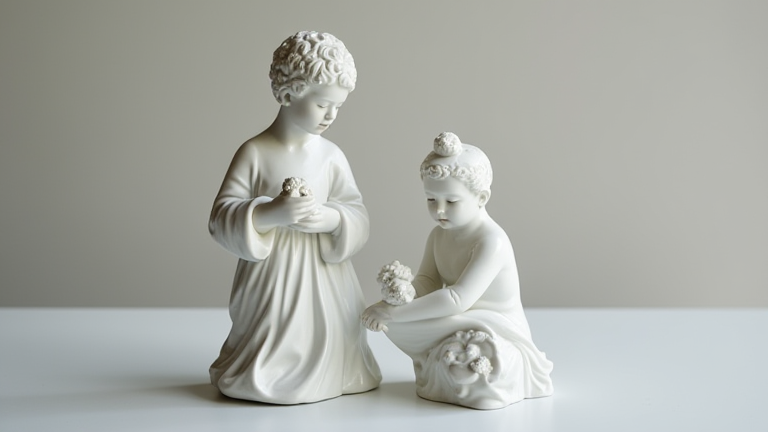
TL;DR: Porcelain figurines are more than dust-catching ornaments—they are tangible anchors to history, craftsmanship, and personal narrative that add a layer of soul to any interior. Investing in a single, well-chosen piece can transform a neutral shelf into a storytelling corner, merging art with daily living.
The Art of Slow Living, One Figurine at a Time
In an era of mass-produced minimalism, the porcelain figurine stands as a quiet rebellion. Unlike a fast-fashion print or a disposable decor trend, a hand-painted shepherdess or a delicate court dancer carries the weight of kiln-fired patience. Each glaze crack and finger-print imperfection tells a story of a human hand—often from regions like Meissen in Germany, Limoges in France, or Jingdezhen in China, where porcelain has been a cultural currency for centuries. When you place one on your mantel, you are not just decorating; you are inviting a legacy of travel and trade into your living room.
If you want to dig deeper, check out our guide on Why the Oversized Blazer Trend Is Dominating Street Style.
Cultural Travel Without a Boarding Pass
Your home can become a personal museum. A blue-and-white Delft tulip vase figurine whispers of Dutch canal houses; a whimsical Commedia dell’Arte harlequin evokes Venetian carnivals; a serene Geisha with a paper parasol transports you to Kyoto’s tea houses. Collecting these sculptures is a form of armchair travel—each piece is a souvenir from a culture you admire, a conversation starter that lets you share a slice of Florence or Copenhagen with guests. The tactile joy of lifting a heavy, cool porcelain base is a sensory experience that a photograph on a screen can never replicate.
Mindful Curation as Personal Growth
Styling with porcelain teaches restraint and intention. Instead of cluttered shelves, choose three pieces that speak to different chapters of your life: a small bird for your first apartment, a pair of dancers for your wedding, a minimalist abstract bust for your career change. This curation process forces you to ask, “What do I want to see every morning?”—a practice in self-awareness that rivals journaling. The fragility of porcelain also imparts a quiet lesson: beauty requires care. Dusting a delicate dancer’s outstretched arm becomes a slow, meditative ritual, grounding you in the present moment.
Elevating Dining and Reading Nooks
Porcelain figurines are not confined to china cabinets. A single, whimsical piece—like a sleeping cat or a fruit-picking cherub—placed on a stack of hardcover cookbooks in your kitchen adds warmth to daily meals. On a bedside table, a small figurine of a reading woman or a lotus blossom creates a serene focal point before sleep. Even a bathroom shelf can be elevated with a single, glossy white swan, bringing spa-like calm. The key is contrast: pair delicate porcelain with rustic wood, linen, or matte stone to let its glossy surface shine.
FAQ
Q: How do I know if a porcelain figurine is high quality?
A: Look for fine details, hand-painted accents, a smooth, glass-like glaze, and a maker’s mark or signature on the base. Gently tap it—quality porcelain produces a clear, bell-like ring, not a dull thud.
Q: Can I display porcelain figurines if I have small children or pets?
A: Yes, but choose stability over height. Place heavier, wider-based pieces on lower shelves, and reserve delicate, outstretched figures for high mantels or locked glass cabinets. Consider adhesive museum putty to secure bases.
Q: Are modern porcelain figurines worth collecting, or only antiques?
A: Modern pieces from contemporary artists are highly collectible and often more affordable. They blend traditional techniques with fresh aesthetics—like abstract faces or quirky animals—making them perfect for eclectic, modern homes. Buy what makes you pause, not just what is old.
Leave a Reply