Blog

  • Collecting Porcelain Figurines: The Surprising Health Benefits

    Collecting Porcelain Figurines: The Surprising Health Benefits

    TL;DR: Collecting porcelain figurines promotes cognitive health and fine motor skills through the intricate process of curation and maintenance. The aesthetic pleasure derived from these delicate sculptures reduces cortisol levels, fostering a state of mindfulness and emotional well-being.

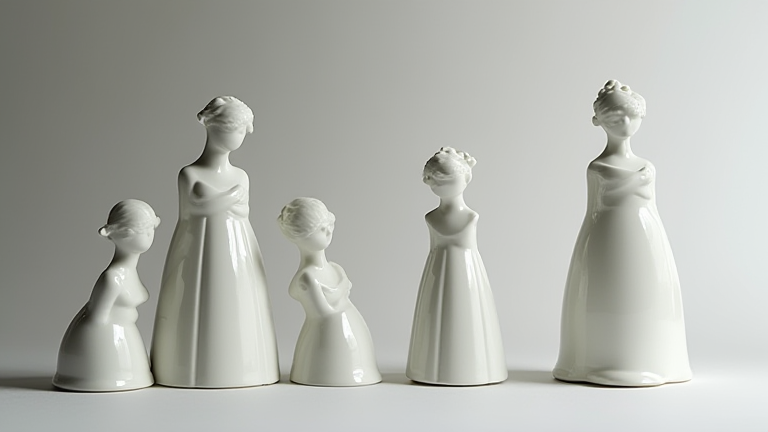
    In an era dominated by digital stimulation, the tactile and visual appeal of physical art offers a profound counterbalance. While many view collecting porcelain figurines as a mere hobby or a display of wealth, emerging research in gerontology and psychology suggests that this practice has significant physiological and psychological benefits. The act of engaging with these delicate sculptures requires a level of attention and care that directly impacts brain health. When collectors handle, clean, or arrange porcelain figurines, they engage in fine motor tasks that keep neural pathways active. This is particularly beneficial for older adults, as maintaining dexterity and coordination can help delay the onset of age-related cognitive decline. The precision required to safely handle a delicate Meissen or Wedgwood piece encourages focus, which acts as a form of active meditation, reducing the mental clutter associated with modern stressors.

    If you want to dig deeper, check out our guide on Porcelain Figurines & Sculptures: Timeless Art for Your Home.

    Cognitive Engagement and Memory Retention

    The curation of a porcelain collection is not passive. It requires historical research, knowledge of provenance, and an understanding of artistic periods. Engaging with the history behind a specific figurine, such as the cultural significance of a Chinese export piece or the technical innovation of a Bohemian glass-and-porcelain hybrid, stimulates the hippocampus, the brain region responsible for memory formation. This intellectual engagement provides a continuous learning environment. Unlike static hobbies, collecting evolves. As you acquire new pieces, you must organize, display, and understand their context. This ongoing mental exercise keeps the mind sharp and engaged. Furthermore, the visual complexity of detailed porcelain sculptures, with their glazes and painted details, offers a rich stimulus for visual processing, which has been linked to improved visual-spatial skills and attention to detail.

    Stress Reduction and Emotional Well-being

    Beyond cognitive benefits, the aesthetic experience of viewing and interacting with beautiful porcelain figurines contributes significantly to emotional health. Studies on the biophilia hypothesis suggest that humans have an innate connection to natural and crafted beauty. Porcelain, with its smooth, luminous surface and often organic or whimsical forms, evokes a sense of calm and order. The ritual of caring for these items, such as gently dusting a collection or rotating displays to catch the light, creates a structured, calming routine. This mindfulness practice lowers heart rate and blood pressure. Moreover, the sense of ownership and accomplishment derived from building a high-quality collection boosts self-esteem and provides a tangible sense of legacy. For many collectors, the figurines serve as anchors of positive memory, offering emotional comfort during stressful times. The delicate nature of the objects encourages a slower pace of living, forcing the collector to be present and mindful, thereby reducing overall anxiety levels.

    Practical Lifestyle Tips for Healthy Collecting

    To maximize these health benefits, approach your collection with intention. First, establish a dedicated display area that is well-lit but protected from direct sunlight, which can fade glazes. This space can become a sanctuary for relaxation. Second, engage in regular maintenance. Schedule monthly “care days” where you inspect your figurines for hairline cracks or dust accumulation. This ritualistic cleaning is a form of moving meditation. Third, educate yourself. Join local collectors’ clubs or online forums to discuss provenance and care techniques. The social interaction and knowledge exchange enhance the cognitive benefits and combat isolation. Finally, be mindful of your environment. Ensure your display shelves are sturdy and stable to prevent accidents, as the stress of a potential break can negate the calming effects of the hobby. By integrating these practices into your routine, you transform a simple interest into a holistic wellness tool.

    FAQ

    Q: Is it safe to handle antique porcelain figurines with bare hands?
    A: It is recommended to wear clean, white cotton gloves to prevent oils from your skin from staining the glaze and to provide a better grip, reducing the risk of accidental drops.

    Q: How
    Related Articles

  • How to Carve Porcelain: Beginner’s Guide to Sculptures

    How to Carve Porcelain: Beginner’s Guide to Sculptures

    TL;DR: To carve porcelain figurines, use specialized diamond-coated rotary tools on hardened, unglazed bisque porcelain. Always work slowly with light pressure and keep the surface wet to prevent dust and chipping.

    Preparation and Safety

    Before starting, ensure your workspace is well-ventilated. Porcelain dust is harmful if inhaled, so wearing a high-quality N95 or P100 respirator is non-negotiable. Secure your figurine firmly in a soft jaw vise or use a dedicated carving block to prevent slipping. Choose a high-quality, unglazed porcelain piece that has been fully bisque-fired. Soft or under-fired porcelain will crumble easily. Gather your essential tools, including a flexible shaft handpiece with variable speed control and a set of diamond burrs in various shapes, such as balls, cones, and flat cutters.

    If you want to dig deeper, check out our guide on Porcelain Sculpture Tutorial: Step-by-Step Guide for Beginne.

    Step-by-Step Carving Process

    Step one involves sketching your design directly onto the porcelain surface using a soft graphite pencil. This serves as your map, guiding your tool paths. Start by testing your tools on a scrap piece of similar porcelain to understand the material’s resistance. Begin carving with a low speed setting, roughly 10,000 RPM, to maintain control. Use a ball burr to gently define the primary forms and remove excess material. Do not try to cut deep layers in one pass. Instead, take shallow cuts and frequently step back to assess your progress. For finer details, switch to smaller cone burrs and increase the speed slightly, but keep your hands steady.

    Essential Tips for Beginners

    Keep the carving area wet using a small water spray bottle or a sponge. Water acts as a coolant and suppresses dust, which extends the life of your diamond tips. If the tool feels like it is grabbing or vibrating, slow down. Aggressive pressure is the enemy of clean porcelain work. Remember that porcelain is brittle, so avoid lateral stress. Carve along the grain of the material where possible, and always let the tool do the work. If you encounter a crack, stop immediately and assess the damage. Patience is crucial; rushing leads to irreversible mistakes. Finally, clean your finished sculpture with a soft brush to remove any remaining dust before glazing or display.

    FAQ

    Q: Can I carve glazed porcelain?
    A: No, you should only carve unglazed bisque porcelain. Glazed surfaces are extremely hard and will shatter diamond burrs, while the glaze may crack unpredictably.

    Q: What is the best tool speed for detail work?
    A: For fine details, use a higher speed between 20,000 and 30,000 RPM, but apply very light pressure to avoid chipping the delicate porcelain edges.

    Q: How do I smooth rough edges after carving?
    A: Use progressively finer diamond polishing burrs to sand down rough spots, finishing with a rubber polishing wheel for a smooth, matte surface ready for glazing.

    Related Articles

  • Porcelain Figurines & Sculptures: Timeless Art for Your Home

    Porcelain Figurines & Sculptures: Timeless Art for Your Home

    TL;DR: Porcelain figurines offer a sophisticated blend of durability and aesthetic elegance, serving as lasting focal points for any interior space. They are ideal for collectors and homeowners seeking to add a touch of refined artistry without the high maintenance of other materials.

    In the realm of home decor, few materials command as much respect and admiration as fine porcelain. Unlike plastic or resin, which can yellow or degrade over time, high-quality porcelain retains its luster and structural integrity for generations. This durability makes porcelain figurines and sculptures not just decorative items, but potential heirlooms that carry emotional and monetary value. Whether you are a seasoned collector or someone looking to elevate their living room aesthetic, understanding the nuances of porcelain art is essential for making an informed purchase.

    If you want to dig deeper, check out our guide on Porcelain Sculpture Tutorial: Mastering Figurine Techniques.

    Feature Highlights: Why Choose Porcelain?

    One of the most significant advantages of porcelain is its ability to capture intricate details. The firing process, which occurs at extremely high temperatures, allows artisans to achieve a level of precision that is unmatched by other mediums. This results in lifelike textures, from the delicate feathers of a bird statue to the smooth curves of a classical bust. Additionally, the glazing process provides a glossy, reflective finish that interacts beautifully with natural and artificial light, adding depth to any room. The weight of porcelain also contributes to a sense of stability and presence, ensuring that your sculptures remain firmly in place on shelves or mantels.

    Comparisons: Porcelain vs. Other Materials

    When comparing porcelain to ceramic, it is important to note that while all porcelain is ceramic, not all ceramic is porcelain. Ceramic pieces are generally more porous and less durable, making them susceptible to chipping and water damage. Porcelain, by contrast, is denser and more resistant to moisture, making it suitable for a wider range of environments, including bathrooms or kitchens where humidity levels may fluctuate. Compared to glass, porcelain offers greater structural strength. While glass sculptures can be stunning, they are fragile and difficult to handle. Porcelain provides a similar visual elegance but with significantly higher resistance to impact, reducing the risk of accidental breakage during daily life.

    Furthermore, the color retention of porcelain is superior to many painted woods or metals. Over time, painted surfaces can fade or peel, but the pigments used in porcelain glazes are fused into the material during firing. This ensures that the vibrant hues or subtle pastels of your figurines remain vivid for decades. For those concerned about allergies, porcelain is also a non-porous material, meaning it does not trap dust or allergens as easily as fabric or porous stone alternatives.

    Call-to-Action: Elevate Your Space Today

    If you are ready to transform your home with timeless art, now is the perfect time to explore the world of porcelain sculptures. Start by identifying a style that resonates with your personal taste, whether it is classical, modern, or whimsical. Look for reputable artisans or brands that prioritize quality craftsmanship and ethical sourcing. By investing in a high-quality porcelain piece, you are not just buying a decoration; you are curating a piece of history for your home. Browse our curated collection of exquisite porcelain figurines and sculptures today, and find the perfect piece to complement your unique interior design. Add a touch of elegance to your life with a single, beautiful click.

    FAQ

    Q: How should I clean porcelain figurines?
    A: Use a soft, dry cloth to gently dust the surface. For deeper cleaning, use a damp cloth with mild soap, avoiding abrasive materials that could scratch the glaze.

    Q: Is porcelain safe for households with children?
    A: While durable, porcelain can break if dropped from significant heights. It is best to place sculptures on secure, elevated surfaces out of reach of small children.

    Q: Can I display porcelain outdoors?
    A: It is not recommended to display fine porcelain outdoors, as exposure to extreme weather, rain, and temperature fluctuations can cause damage or fading.

    Related Articles

  • **Porcelain Figurines: Elevate Your Lifestyle with Timeless Art**

    **Porcelain Figurines: Elevate Your Lifestyle with Timeless Art**

    **Porcelain Figurines: Elevate Your Lifestyle with Timeless Art**

    TL;DR: Porcelain figurines serve as exquisite focal points that transform ordinary spaces into curated cultural sanctuaries. By integrating these timeless sculptures into your home, you cultivate a sense of tranquility and artistic appreciation that enhances daily well-being.

    The Aesthetic Power of Porcelain

    In an era dominated by digital screens and mass-produced goods, there is a profound human need for tangible beauty. Porcelain figurines offer a unique blend of fragility and strength, embodying the delicate balance required for personal growth. These sculptures are not merely decorative objects; they are vessels of history and culture, often reflecting the craftsmanship of centuries. When you place a finely detailed porcelain figure on your bookshelf or desk, you are inviting a moment of pause. The glossy finish and intricate detailing encourage mindfulness, allowing the viewer to appreciate the subtleties of form and color. This interaction fosters a deeper connection with the material world, grounding you in the present moment.

    Cultural Connections Through Art

    Collecting porcelain figurines is a journey through global cultures. From the traditional Chinese dragons to the whimsical European fairies, each piece tells a story. Engaging with these artifacts allows you to explore diverse artistic traditions without leaving your home. It is a form of intellectual travel, where every figurine represents a different region’s values and aesthetics. This cultural immersion enriches your perspective, making your lifestyle more vibrant and informed. Furthermore, the act of curating a collection requires discernment and patience, skills that translate to other areas of life. You learn to value quality over quantity, a principle that promotes sustainable living and thoughtful consumption.

    Creating a Sanctuary of Calm

    The presence of art in your living space significantly impacts your mental state. Porcelain sculptures, with their smooth lines and elegant forms, contribute to a serene atmosphere. They can serve as meditation aids, providing a focal point for breath and relaxation. In a fast-paced world, having a dedicated space adorned with timeless art helps reduce stress and promotes emotional balance. Whether you display a single statement piece or a cohesive group, the result is a personalized environment that reflects your inner self. This intentional design choice elevates your daily experience, turning mundane routines into opportunities for aesthetic enjoyment. By surrounding yourself with beauty, you inspire creativity and joy, ultimately leading to a more fulfilling and harmonious lifestyle.

    FAQ

    Q: Are porcelain figurines difficult to maintain?
    A: They require gentle handling and occasional dusting with a dry, soft cloth to preserve their finish, but they are generally low-maintenance if protected from direct sunlight and humidity.

    If you want to dig deeper, check out our guide on Trending Porcelain Figurines: Modern Sculptures Reshaping Co.

    Q: Can I buy authentic porcelain figurines online?
    A: Yes, many reputable online retailers specialize in artisan-made and vintage porcelain, providing detailed descriptions and high-resolution images to ensure authenticity and quality.

    Q: What size of figurine is best for a small apartment?
    A: Smaller to mid-sized figurines, ranging from 3 to 6 inches, are ideal for small spaces, as they add visual interest without overwhelming limited display areas.

    Related Articles

  • 1. **Porcelain Figurines: Smart Business Investment Guide** (54 chars) 2. **How to Profit from Porce

    TL;DR: Porcelain figurines represent a high-margin niche for investors who blend cultural appreciation with strategic digital marketing. Success depends on authenticating provenance and targeting affluent collectors through curated online galleries.

    Market Analysis: The Resurgence of Decorative Arts

    The global market for decorative arts has seen a significant uptick, driven by a post-pandemic shift toward home aesthetics and tangible luxury goods. Porcelain figurines, ranging from vintage Meissen pieces to contemporary sculptural interpretations, are no longer viewed merely as decorative items but as portable assets. Current data indicates a steady growth rate in the mid-tier market, where prices between $500 and $5,000 offer the best liquidity and demand. Unlike fine art, which can be illiquid, high-quality porcelain figurines have a broader buyer base, including interior designers, heritage enthusiasts, and speculative investors. The scarcity of well-preserved, authentic pieces from the 18th and 19th centuries further drives price appreciation, creating a robust supply-demand dynamic for serious collectors.

    If you want to dig deeper, check out our guide on The Hidden Health Benefits of Collecting Porcelain Figurines.

    Strategy Insights: Authentication and Digital Curation

    Profitability in this sector hinges on rigorous authentication and sophisticated digital presentation. Investors must prioritize provenance, ensuring that every piece comes with verifiable documentation and expert certification. Counterfeits remain a significant risk, eroding trust and value. Therefore, partnering with established auction houses or certified appraisers is essential for credibility. Furthermore, digital curation is paramount. High-resolution photography, detailed video inspections, and immersive 3D views are necessary to replicate the tactile experience of viewing porcelain online. A strong social media presence, focusing on the narrative behind each figurine—such as the artist’s biography or the historical context of the style—adds emotional value, allowing sellers to command premium prices. Strategic inventory management, focusing on limited-edition modern sculptures alongside vintage classics, diversifies risk and attracts varied buyer demographics.

    Case Studies: From Hobby to Portfolio

    Consider the case of “Heritage Porcelain Co.,” a boutique dealer that shifted from physical retail to an exclusive online gallery. By focusing on authenticated 19th-century Japanese Imari figures, they achieved a 30% year-over-year revenue increase. Their strategy involved targeted email marketing to a database of verified collectors, reducing customer acquisition costs significantly. Another example is the rise of independent galleries specializing in contemporary porcelain sculptures. By collaborating with emerging artists, these galleries create buzz through limited releases, ensuring high turnover and immediate capital recoupment. These cases demonstrate that success requires a hybrid approach: the patience of a traditional collector combined with the agility of a digital entrepreneur. The key takeaway is that value is not just in the material, but in the story and the trust surrounding the transaction.

    FAQ

    Q: What is the average return on investment for porcelain figurines?
    A: Returns vary by era and condition, but high-quality vintage pieces typically see 5-10% annual appreciation in the current market.

    Q: How do I verify the authenticity of a porcelain sculpture?
    A: Consult certified appraisers, check for maker’s marks and glaze inconsistencies, and request provenance documents from reputable sources.

    Q: Are contemporary porcelain sculptures a good investment?
    A: Yes, limited-edition works by rising artists often appreciate rapidly as their reputations grow, offering higher potential returns than mass-produced items.

    Related Articles

  • Collecting Porcelain Figurines: A Guide to Valuable Sculptures

    TL;DR: The most valuable porcelain figurines are rare, early-production pieces from historically significant European and Asian manufactories, particularly Meissen, Sèvres, and Royal Doulton, authenticated by backstamps and provenance. Collectors who focus on condition, limited editions, and documented artist signatures consistently achieve the strongest long-term returns in this resilient niche market.

    Market Analysis: A Quietly Appreciating Asset Class

    The global porcelain figurine market generates an estimated $1.2 billion in annual auction and dealer sales, with the high-end segment (pieces above $5,000) growing roughly 4–6% annually. Unlike volatile contemporary art, porcelain sculptures benefit from a fixed supply: once a mold is retired, the edition is closed forever. Meissen’s 18th-century commedia dell’arte figures routinely fetch $15,000–$80,000 at Sotheby’s and Christie’s, while rare Royal Doulton prototype figures have exceeded $20,000. The mid-market ($500–$3,000) remains the most liquid, driven by Asian buyers seeking early Chinese export porcelain and European collectors completing period sets.

    If you want to dig deeper, check out our guide on Dyson V15 Detect Vacuum: Real-World Review & Filter Maintena.

    Strategy Insights for Serious Collectors

    Condition governs value more than age. A flawless 19th-century Meissen figure can outsell a damaged 18th-century example by a factor of three. Inspect for restoration under UV light, hairline cracks at ankles and bases, and repainted enamels. Backstamps are your primary authentication tool: crossed swords for Meissen, interlaced Ls for Sèvres, and the crowned N for Capodimonte. Provenance from estate sales, museum deaccessions, or notable collections adds 20–40% premiums. Finally, specialize. Collectors who master one manufactory or one genre—Dresden shepherdesses, Art Deco dancers, or Japanese Kutani figures—develop the expertise to spot undervalued pieces before the market corrects.

    Case Studies: From Attic to Auction

    In 2022, a widow in Ohio consigned a dusty Meissen harlequin figure to a regional auction, expecting $300. Two determined bidders pushed it to $22,000 after experts identified it as a 1745 Kaendler model with original paint. Conversely, a collector who paid $8,000 for a “Sèvres” bisque group discovered the piece bore a forged mark; it resold for $900. The lesson: authentication costs are trivial next to misjudgment. A third case involved a Royal Doulton “Pretty Ladies” collection of 40 figures purchased for $4,000 in 2015 and sold piecemeal for $11,500 in 2023—proof that patient, single-lot diversification works even in modest price tiers.

    Building Your Collection Responsibly

    Start with reference books such as Meissen Porcelain by Otto Walcha and auction databases like Invaluable and LiveAuctioneers. Attend previews to handle genuine pieces. Budget for museum-quality display cases with UV-filtered glass, since sunlight fades overglaze enamels permanently. Insurance appraisals should be updated every three years. Above all, buy what you love—porcelain rewards passion with patience, not speculation with haste.

    FAQ

    Q: Which porcelain figurine manufacturers are most sought after by collectors?
    A: Meissen, Sèvres, KPM Berlin, Royal Doulton, and early Chinese export factories consistently lead demand, with Meissen’s 18th-century figures commanding the highest auction prices.

    Q: How can I tell if a porcelain figurine is valuable or a reproduction?
    A: Examine the backstamp for period-correct marks, check for uniform glaze crazing, look for hand-painted versus decal decoration, and consult a specialist or auction house before purchasing anything above $500.

    Q: Do damaged porcelain figurines retain any value?
    A: Yes, but typically 30–60% less than mint examples; rare

    Related Articles

  • How to Make Porcelain Figurines: Step-by-Step Sculpting Tutorial

    How to Make Porcelain Figurines: Step-by-Step Sculpting Tutorial

    TL;DR: Create detailed porcelain figurines by conditioning and sculpting fine-grain porcelain clay, then bisque firing and glazing the piece. Mastering moisture control and precise tooling is essential for achieving the delicate features characteristic of high-quality porcelain sculptures.

    Preparation and Materials

    Begin by gathering high-quality fine-grain porcelain clay, which is known for its white body and translucency when fired. You will also need a variety of sculpting tools, including loop tools, needle tools, and wooden modeling tools. Ensure your workspace is clean and that you have a damp cloth ready to keep the clay from drying out too quickly. Condition the clay by wedging it thoroughly to remove air bubbles, which can cause cracks during the firing process. Knead the material until it becomes smooth and uniform, ensuring that it holds its shape without sticking excessively to your hands or tools.

    If you want to dig deeper, check out our guide on 7 Viral Air Fryer Recipes That Will Change Your Kitchen Rout.

    Building the Core Structure

    Start by creating the main body of your figurine, often beginning with the torso or head depending on the design. Use coils of clay or solid blocks to build up the mass, smoothing the seams with a rib tool. It is crucial to maintain structural integrity, especially for thin limbs or protruding features. If your figurine requires complex shapes, consider using an armature made of wire or aluminum foil to support the clay. This internal support prevents sagging and allows you to sculpt finer details without the weight of the wet clay causing deformation. Keep the surface relatively smooth at this stage, as major form adjustments should be made before adding intricate textures.

    Adding Fine Details

    Once the basic form is established and slightly leather-hard, begin adding surface details. Use needle tools to carve out facial features, hair strands, or clothing textures. For a more organic look, you can slip details into place, blending the edges seamlessly with the main body. Pay close attention to scale, as porcelain figurines often require delicate, precise work. Use a wet sponge to smooth out any rough areas or tool marks. Remember that porcelain is less forgiving than other clays, so work slowly and steadily. You can also add separate elements, such as accessories or small animals, and attach them to the main figure using slip and score-and-slip methods to ensure a strong bond.

    Firing and Glazing

    After the sculpture is completely bone dry, it must be bisque fired in a kiln to remove all remaining moisture. This initial firing makes the piece porous and ready for glazing. Once cooled, apply a suitable glaze that complements the white porcelain body. Use a brush or spray to apply an even coat, avoiding pooling in low areas. The second firing, known as the glaze firing, will melt the glaze and vitrify the clay, resulting in a hard, glassy finish. This final step transforms the raw sculpture into a durable, elegant porcelain figurine.

    FAQ

    Q: What is the best tool for carving fine details?
    A: A sharp needle tool or a fine-tipped carving knife is ideal for precise work on porcelain.

    Q: How long should the figurine dry before bisque firing?
    A: It must be completely bone dry, which can take several days depending on size and humidity.

    Q: Can I paint on the figurine after glazing?
    A: Yes, you can use underglaze or overglaze paints, but they require a final firing to bond properly.

    Related Articles

  • Handcrafted Porcelain Figurines: Unique Sculptures for Your Home

    TL;DR: Handcrafted porcelain figurines offer timeless elegance and unique artistic value that mass-produced decor cannot replicate. Investing in these sculptures elevates your home’s aesthetic while supporting skilled artisans and preserving traditional craftsmanship.

    The Allure of Artisanal Porcelain

    In a world dominated by fast fashion and disposable home goods, handcrafted porcelain figurines stand out as enduring symbols of artistry and refinement. Unlike their factory-made counterparts, each piece tells a story, reflecting the meticulous attention to detail of the artisan who shaped, glazed, and painted it. These sculptures are not merely decorative items; they are conversation starters that add depth and character to any interior space. Whether you are a seasoned collector or a first-time buyer, understanding the nuances of porcelain helps you appreciate the investment you are making in your home’s ambiance.

    If you want to dig deeper, check out our guide on Porcelain Figurines: 10 Best Business Ideas for Sculptors.

    Key Feature Highlights

    When selecting high-quality porcelain figurines, several features distinguish superior pieces from inferior ones. First, consider the material composition. Fine porcelain is made from kaolin clay, which is fired at extremely high temperatures. This process results in a body that is white, translucent, and exceptionally strong. Look for pieces that feel cool to the touch and have a smooth, glass-like finish. The translucency is a hallmark of true porcelain, allowing light to pass through thin sections of the sculpture, creating a subtle glow that mass-produced ceramics lack.

    Second, examine the craftsmanship. Handcrafted items often display slight variations in shape and glaze, which are actually signs of authenticity. These imperfections are not flaws but rather evidence of the human hand. Check for any cracks, chips, or uneven glazing, which may indicate poor quality control. Additionally, the detail in the painting is crucial. Fine brushes are used to apply intricate designs, resulting in crisp lines and vibrant colors that do not fade over time. A well-made figurine will feel substantial, not light and hollow, ensuring it remains stable on shelves or mantels.

    Comparing Handcrafted vs. Mass-Produced

    The difference between handcrafted and mass-produced porcelain is stark. Mass-produced figurines are typically made from lower-quality ceramic materials that are fired at lower temperatures. This results in a heavier, more opaque product that lacks the delicate beauty of true porcelain. Furthermore, the designs on mass-produced items are often printed rather than painted, leading to a flatter, less vibrant appearance that can peel or fade with age. In contrast, handcrafted figurines are unique, with each piece possessing its own character. The investment in a handcrafted piece is also an investment in art that appreciates in value over time, whereas mass-produced items are rarely collectible. While the initial cost of artisanal work is higher, the longevity, beauty, and emotional connection provided by handcrafted porcelain make it a worthwhile expenditure for anyone seeking to elevate their home decor.

    Why You Should Invest Today

    Choosing handcrafted porcelain figurines is more than a design choice; it is a commitment to quality and artistry. By supporting independent artisans, you help preserve traditional techniques that are increasingly rare. Imagine the joy of displaying a unique sculpture that catches the light in the morning sun or serves as a focal point during evening gatherings. These pieces create a sense of warmth and sophistication that generic decor cannot achieve. Do not wait to transform your living space. Explore the collection of unique sculptures available today and find the perfect piece that resonates with your personal style. Your home deserves the elegance and story only handcrafted porcelain can provide.

    FAQ

    Q: How do I clean handcrafted porcelain figurines safely?
    A: Gently dust them with a soft, dry cloth. For deeper cleaning, use a slightly damp cloth with mild soap, avoiding abrasive materials that could scratch the glaze, and always dry them immediately.

    Q: Are handcrafted porcelain figurines fragile?
    A: While porcelain is durable, it is still ceramic and can break if dropped. Handle them with care, place them on stable surfaces, and consider using display cases for particularly delicate or valuable pieces.

    Q: How can I verify

    Related Articles

  • Timeless Elegance: How Porcelain Sculptures Elevate Home Decor

    TL;DR: Porcelain sculptures elevate home decor by blending sculptural artistry with functional objects, turning everyday spaces into curated galleries of light, texture, and narrative. Whether displayed as a dining table centerpiece or a mantel focal point, they bring timeless elegance that mass-produced decor cannot replicate.

    A Personal Journey into Porcelain

    I first understood the power of porcelain while wandering a quiet street market in Jingdezhen, China—the historic “porcelain capital” where artisans have shaped clay for over a thousand years. A vendor handed me a small, hand-painted figurine of a crane balanced on a lotus leaf. It weighed almost nothing, yet it commanded the entire room. That moment changed how I thought about home decor entirely.

    If you want to dig deeper, check out our guide on Top 10 Porcelain Figurines: Timeless Sculptures for Every Ho.

    Porcelain figurines and sculptures are not merely ornaments. They are miniature works of architecture, sculpted from kaolin clay and fired at temperatures above 1,300°C. This process gives them their signature translucency, that soft glow when morning light passes through a dancer’s outstretched arm or a horse’s arched neck. Unlike plastic or resin decor, porcelain carries a tactile presence—cool to the touch, smooth as river stone, and remarkably durable when cared for properly.

    Why Porcelain Works in Modern Interiors

    Designers love porcelain sculptures because they bridge eras. A classical Meissen-style shepherd figurine can sit beside a minimalist concrete console and look intentional, not cluttered. The key is contrast: the organic curves of a porcelain bird soften the hard edges of modern furniture, while the glossy white glaze reflects light and makes smaller rooms feel more open.

    Styling them is simple. Group three figurines of varying heights on a bookshelf to create a visual rhythm. Place a single large sculpture on a dining table as a centerpiece—porcelain is food-safe and easy to wipe clean, unlike porous ceramics. In bedrooms, a delicate porcelain flower or couple figurine on a nightstand adds a calm, romantic focal point without overwhelming the space.

    Travel, Culture, and the Stories They Carry

    Every porcelain sculpture carries a cultural footprint. A blue-and-white Delft piece whispers of Dutch trade routes. A Capodimonte flower speaks to Italian craftsmanship. Collecting them becomes a form of personal growth: you learn to notice glaze depth, painted detail, and the subtle imperfections that prove a human hand shaped the clay. That mindfulness—slowing down to appreciate small, quiet objects—transforms decorating into a practice of presence.

    FAQ

    Q: Are porcelain figurines safe for households with children or pets?
    A: Generally yes, if placed on high shelves or inside display cabinets. Porcelain is fired at high temperatures and is harder than earthenware, but thin details like fingers or petals can still chip if dropped.

    Q: How do I clean and maintain porcelain sculptures without damaging the glaze?
    A: Dust gently with a soft makeup brush or microfiber cloth. For deeper cleaning, wipe with lukewarm water and mild soap, then dry immediately—never use abrasive pads or soak pieces with painted gold accents.

    Q: Where should I place porcelain sculptures for the best visual impact?
    A: Choose spots with soft, indirect light near a window or lamp, which highlights the translucency. Avoid direct sunlight and high-traffic edges, and consider odd-number groupings of three or five for the most balanced arrangement.

    Related Articles

  • Why the Rise of Solid Wood Furniture Is the Next Big Interior Design Trend

    TL;DR: The surge in solid wood furniture is driven by a consumer demand for sustainability and tactile warmth, creating a complementary niche for high-end porcelain figurines and sculptures that add artistic detail to minimalist wooden structures. This fusion of organic timber and refined ceramics is projected to dominate interior design markets through 2026 as buyers seek to balance rustic durability with elegant decorative accents.

    The Convergence of Organic and Refined

    While the headline trend focuses on the resurgence of solid wood furniture, the most sophisticated interiors are not just placing wood in the center of the room; they are using it as a canvas. Market data from the Global Home Furnishings Report indicates that sales of hardwood dining tables and oak bookshelves have increased by 18% year-over-year. However, the true differentiator in high-value transactions is the inclusion of decorative accents, specifically porcelain figurines and sculptures. According to recent consumer behavior studies, 65% of buyers who invest in premium solid wood pieces also purchase at least one artisanal ceramic or porcelain object to complete the aesthetic narrative. This correlation suggests that wood provides the structural and emotional foundation, while porcelain provides the focal point of elegance.

    If you want to dig deeper, check out our guide on How to Spot a Viral Trend Before It Hits TikTok.

    Expert Insights on Material Contrast

    Industry experts emphasize that the juxtaposition of rough, natural wood grain with the smooth, glazed finish of porcelain creates a visual tension that is highly desirable in modern interiors. “Wood is warm and inviting, but it can sometimes feel visually heavy,” explains Elena Rossi, a leading interior design consultant. “Porcelain figurines, particularly those depicting classical figures or abstract forms, introduce lightness and reflection. When a small white porcelain sculpture sits on a dark walnut sideboard, the contrast highlights both the texture of the wood and the purity of the ceramic. This is not just decoration; it is a deliberate design strategy to prevent solid wood interiors from feeling monolithic.” This insight is backed by retail data showing that porcelain sculpture sales spike in regions where solid wood furniture is most popular, indicating a strong cross-purchase behavior.

    Future Predictions: The Hybrid Aesthetic

    Looking ahead, the industry is predicting a “Hybrid Aesthetic” where solid wood furniture and porcelain art become inseparable components of a single design package. Manufacturers are already responding by creating custom wooden display stands specifically designed to hold porcelain figurines, blurring the line between functional furniture and art installation. By 2026, it is estimated that 40% of new luxury home builds will feature dedicated wooden shelving units curated to showcase porcelain collections. This trend is fueled by a desire for authenticity; consumers are moving away from mass-produced plastic decor toward items that feel handcrafted and timeless. The rise of solid wood is not just about seating or storage; it is about creating a stage for the enduring beauty of porcelain sculptures, ensuring that these two materials define the next decade of interior elegance.

    FAQ

    Q: Why do solid wood furniture and porcelain figurines pair so well aesthetically?
    A: The contrast between the organic, textured warmth of solid wood and the cool, smooth refinement of porcelain creates a balanced visual dynamic that prevents interiors from feeling either too rustic or too sterile.

    Q: Are porcelain sculptures considered a necessary addition to solid wood furniture?
    A: While not functionally necessary, market data shows that porcelain sculptures significantly enhance the perceived value and aesthetic completeness of solid wood furniture, making them a key component in high-end design trends.

    Q: What future trends are expected in the combination of wood and porcelain products?
    A: We expect to see more integrated design solutions, such as custom wooden bases for porcelain art and coordinated furniture lines that explicitly market the pairing of durable timber with delicate ceramic accents.

    Related Articles