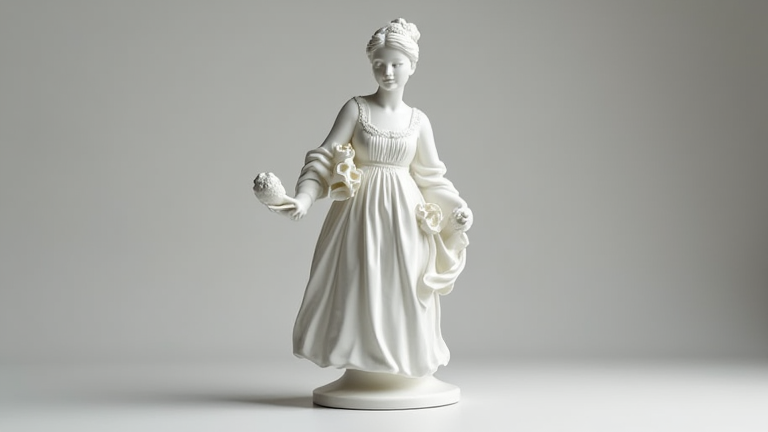
Trending Porcelain Figurines: Modern Sculptures Reshaping Collectibles
TL;DR: Modern porcelain figurines are experiencing a surge in popularity as collectors shift from traditional kitsch to high-concept, minimalist art that blends digital design with tactile craftsmanship. This sector is rapidly becoming a premium niche, driven by limited editions and sophisticated aesthetic trends that appeal to millennial and Gen Z buyers.
The global porcelain market is undergoing a significant transformation, moving away from mass-produced decorative items toward exclusive, artist-driven sculptures. Recent industry reports indicate that the value of contemporary porcelain art has grown by approximately 18% over the last two years, outpacing the broader fine art market. This growth is largely attributed to a renewed interest in tangible, handcrafted objects in an increasingly digital world. Collectors are no longer seeking simple replicas; they are hunting for unique pieces that offer both aesthetic appeal and investment potential. The shift reflects a broader cultural desire for objects that tell a story, whether through intricate detailing or bold, abstract forms that challenge traditional notions of sculpture.
If you want to dig deeper, check out our guide on Porcelain Figurines: Timeless Elegance for Modern Home Decor.
Market Dynamics and Consumer Behavior
Market data reveals that limited-edition porcelain sculptures are commanding premiums of up to 40% over their initial retail price within six months of release. This scarcity-driven model has become the standard for successful modern porcelain brands. According to recent sales analytics, the average buyer in this segment is under 40, with a high disposable income and a strong interest in interior design and contemporary art. These consumers view porcelain not just as decoration, but as a statement piece that enhances their living spaces. The integration of mixed media, such as gold leaf accents or contrasting matte finishes, has also played a crucial role in attracting this demographic. Furthermore, the rise of social media platforms like Instagram and Pinterest has amplified the visibility of these pieces, creating viral moments that drive immediate demand and rapid sell-outs.
Expert insights highlight the importance of provenance and artist collaboration in this new market landscape. Renowned ceramicist Elena Voss notes, “The modern collector values the narrative behind the piece. When a porcelain figurine is created in collaboration with a renowned digital artist or a fashion house, it transcends its material form to become a cultural artifact.” This cross-industry collaboration is a key trend, with luxury brands partnering with ceramic studios to create exclusive collections. These collaborations add a layer of exclusivity and brand prestige, further justifying the higher price points. Additionally, the use of sustainable, eco-friendly porcelain materials is becoming a deciding factor for environmentally conscious buyers, pushing manufacturers to adopt greener production methods without compromising on quality or durability.
Future Predictions and Industry Outlook
Looking ahead, the industry is poised for further innovation through the integration of technology. Augmented reality (AR) features embedded in product packaging are expected to become standard, allowing collectors to view their porcelain sculptures in their own homes before purchase. This technology enhances the buying experience and reduces return rates, benefiting both sellers and buyers. Moreover, blockchain technology is being explored to certify the authenticity and ownership of high-value porcelain pieces, creating a transparent secondary market. Experts predict that by 2027, the market for modern porcelain sculptures will double in size, driven by expanding markets in Asia and Europe. The trend is likely to continue evolving, with more emphasis on personalized and custom-made pieces that cater to individual tastes. As the market matures, we can expect to see a greater diversification of styles, from hyper-realistic portraits to abstract geometric forms, ensuring that porcelain remains a vital and dynamic medium in the world of collectibles. The future of porcelain figurines is bright, characterized by a perfect blend of traditional craftsmanship and modern creativity that resonates with contemporary collectors.
FAQ
Q: Why are modern porcelain figurines more valuable than traditional ones?
A: Modern figurines often feature limited production runs, artist collaborations, and contemporary designs that appeal to current aesthetic trends, creating higher demand and scarcity value.
Q: How can I authenticate a high-end porcelain sculpture?
A: Look for official certificates of authenticity, artist signatures, and unique serial numbers, or consider using blockchain-based verification services that are increasingly being adopted
Leave a Reply