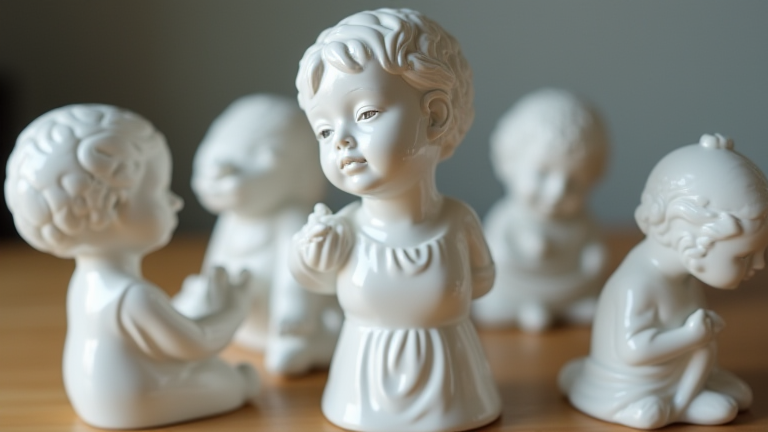
TL;DR: Yes, porcelain figurines can pose a real health risk because many—especially vintage, imported, or hand-painted pieces—contain lead in their glazes and paints, which can leach into dust, food, or hands over time. Chronic low-level exposure is linked to cognitive decline, hypertension, and reproductive issues, so testing and careful handling are essential.
Why Porcelain Figurines Are a Hidden Toxin Source
Porcelain is prized for its beauty, but the glossy finish that makes it so appealing often comes from lead-based glazes. Lead adds durability and a smooth, glass-like surface, making it a historical favorite for ceramics. However, if the glaze is improperly formulated or fired at too low a temperature, lead can remain bioavailable. This means it can slowly release from the surface as the figurine ages, develops hairline cracks, or is exposed to acidic cleaners, heat, or even simple hand oils.
If you want to dig deeper, check out our guide on Porcelain Figurine Safety: Lead, Toxins & Health Tips.
The Science of Lead Exposure from Decor
Research from the CDC and the FDA has repeatedly identified lead in decorative ceramics, with vintage pieces (pre-1970s) being the highest risk. The danger isn’t just from licking or eating—lead dust can settle on shelves, floors, and nearby surfaces. When you touch a figurine and then touch your mouth or food, you ingest microscopic lead particles. Children and pregnant women are most vulnerable, as lead interferes with brain development. Adults face risks too: studies link chronic lead exposure to elevated blood pressure, kidney damage, and memory loss.
Other Toxic Metals in Figurines
Beyond lead, cadmium—used in red, orange, and yellow paints—is another concern. Cadmium is a known carcinogen that can accumulate in the liver and kidneys. Antimony, used to create a milky white finish, can cause respiratory and skin irritation. While the FDA regulates lead and cadmium in food-contact ceramics, decorative items are not held to the same strict standards. That means your beloved heirloom figurine could be far more toxic than a dinner plate.
Practical Lifestyle Tips to Reduce Risk
First, stop handling vintage or suspicious figurines with bare hands—use gloves or a soft cloth. Keep them in enclosed glass display cases to prevent dust from spreading. Never place figurines on dining tables, kitchen counters, or near food prep areas. Wash your hands immediately after touching them, and never let children play with or handle older pieces. If you suspect lead, use a home lead-test swab (available at hardware stores) on the glaze—if it turns pink or red, the piece is positive. For high-risk items, consider sealing them with a clear, non-toxic acrylic spray designed for ceramics, which can trap surface lead. Finally, if you have a beloved collection, get a blood lead test at your next physical, especially if you have kids at home.
Safer Alternatives for Collectors
If you love the aesthetic, opt for modern, certified lead-free porcelain from reputable brands that label their glazes as food-safe or lead-free. Look for pieces made after 2010 in the EU or US, as regulations are stricter. Alternatively, switch to glass or stainless steel decorative sculptures, which carry no lead risk. For antique lovers, keep them as “look, don’t touch” art—display them high on a shelf, away from high-traffic zones.
FAQ
Q: How can I tell if my porcelain figurine contains lead without a test kit?
A: You cannot reliably tell by sight or smell. However, signs include a very glossy, mirror-like finish, bright orange/red/yellow paint, and a dusty or chalky residue when rubbed. Vintage or imported pieces (especially from China, Mexico, or Eastern Europe) are high-risk. A home lead test swab is the only practical way to know.
Q: Is it safe to keep lead-containing figurines in my living room?
A: Yes, if they are sealed, displayed in a closed cabinet, and never touched or cleaned with acidic solutions. The risk comes from dust and direct
Leave a Reply