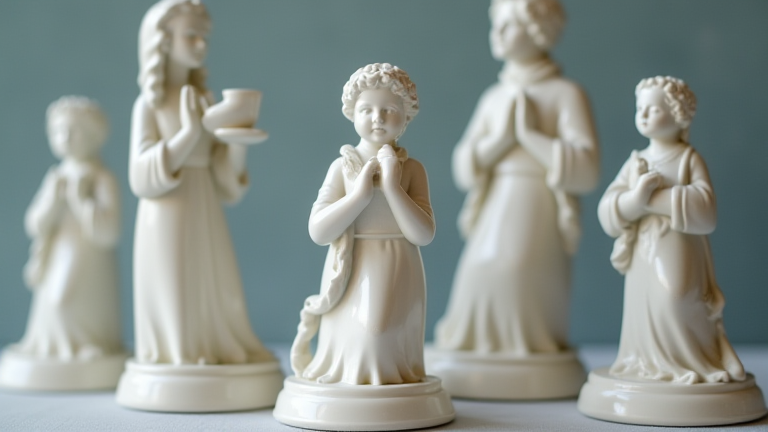
TL;DR: While modern porcelain is generally safe, older or poorly made figurines may contain lead in their glazes, posing health risks through dust accumulation or direct contact. Regular cleaning and avoiding mouth contact with these decorative items are essential safety measures.
Understanding the Lead Risk in Decorative Porcelain
Porcelain figurines and sculptures have been cherished decorative items for centuries, adorning shelves and mantels in homes worldwide. However, a significant portion of the public remains unaware of the potential chemical hazards associated with certain manufacturing processes. The primary concern revolves around lead, a toxic heavy metal historically used in glazes to achieve a glossy, vibrant finish. When lead is present in the glaze, it can leach out over time, especially if the surface is chipped, worn, or improperly fired. This release creates a microscopic dust that can settle on surfaces, posing inhalation or ingestion risks, particularly to vulnerable populations such as children and pregnant women. According to environmental health studies, even trace amounts of lead exposure can contribute to neurological issues, including cognitive decline and developmental delays. It is crucial to distinguish between high-quality, food-safe porcelain, which is strictly regulated, and decorative pieces, which may not adhere to the same rigorous safety standards. Many vintage figurines, especially those produced before the 1970s, carry a higher likelihood of containing lead-based pigments. Therefore, understanding the source and age of your collection is the first step in mitigating these health risks.
If you want to dig deeper, check out our guide on Tech Meets Clay: Digital Tools for Modern Porcelain Sculptur.
Practical Safety Tips for Your Collection
Implementing simple lifestyle changes can significantly reduce your exposure to potential contaminants from porcelain sculptures. First, establish a routine cleaning protocol. Use a soft, damp cloth to gently wipe down figurines every few weeks. This removes accumulated dust that may contain lead particles. Avoid using harsh chemicals or abrasive sponges, as these can scratch the glaze and accelerate lead leaching. If you notice any chips, cracks, or wear on the base or surface of a figurine, handle it with extra care. Consider placing these items on a sealed, non-porous surface to prevent any potential residue from transferring to your furniture. Furthermore, keep decorative porcelain out of reach of children and pets. If you have a toddler, it is advisable to store smaller figurines in a closed cabinet rather than on open shelves. For those who enjoy gardening or working with soil, remember that lead from old glazes does not enter the soil, but general hygiene practices, such as washing hands after handling collectibles, remain vital. Finally, if you are selling or gifting older porcelain, include a disclaimer about potential lead content. By adopting these precautionary measures, you can continue to enjoy the aesthetic beauty of porcelain sculptures while protecting the health of your household members. Prioritizing awareness and proactive care ensures that your decorative items remain a source of joy rather than a hidden health hazard.
FAQ
Q: How can I test if my porcelain figurines contain lead?
A: You can purchase inexpensive lead test kits from hardware stores, which involve rubbing a swab on the glazed surface to check for color changes indicating lead presence.
Q: Is it safe to eat food from old porcelain plates?
A: No, you should never use vintage or decorative porcelain for food storage or consumption, as these items were not designed to meet modern food safety standards regarding lead and cadmium leaching.
Q: Do modern porcelain sculptures have the same lead risks?
A: Most modern, commercially produced porcelain is lead-free and safe, but it is always wise to check the manufacturer’s specifications or look for “lead-free” labeling to be certain.
Leave a Reply