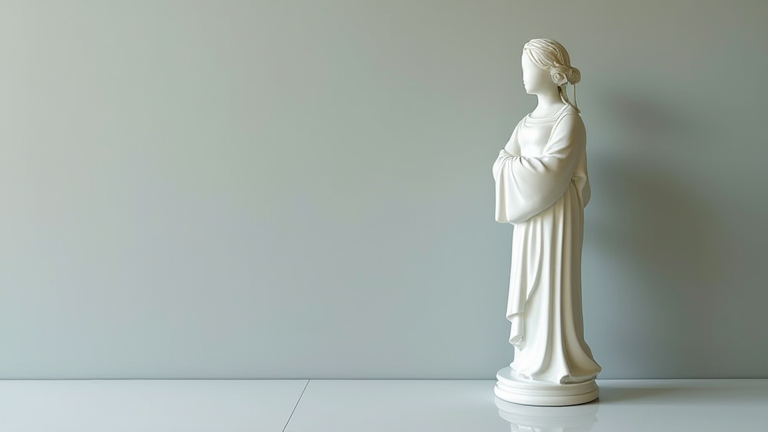
How Porcelain Figurines Reduce Stress & Boost Mental Health
TL;DR: Collecting and curating porcelain figurines engages the brain’s reward system through visual aesthetic appreciation and the tactile satisfaction of handling delicate objects. This practice provides a grounding mindfulness anchor, lowering cortisol levels and enhancing emotional resilience during high-stress periods.
The Science of Aesthetic Engagement
Modern neuroscience suggests that exposure to beautiful objects activates the ventral striatum, a region of the brain associated with reward and pleasure. Porcelain figurines, with their intricate details and smooth textures, offer a unique form of sensory stimulation that differs from digital media. Unlike screens, which often demand active interaction, static sculptures allow for passive contemplation. This state of “aesthetic absorption” can lower heart rate and blood pressure, creating a physiological shift from sympathetic arousal (fight or flight) to parasympathetic dominance (rest and digest). When you observe a finely detailed porcelain piece, your mind is forced to slow down, interrupting the loop of anxious thoughts and promoting a state of calm focus.
Tactile Grounding and Mindfulness
The materiality of porcelain plays a crucial role in mental well-being. The cool, smooth surface of high-quality porcelain provides immediate tactile feedback that anchors the mind in the present moment. This practice aligns with grounding techniques used in cognitive behavioral therapy. Holding a small figurine or arranging it on a shelf requires gentle, deliberate movements. This intentionality fosters mindfulness, encouraging you to pay close attention to the object’s weight, temperature, and form. Such mindful interaction reduces rumination, a key driver of anxiety and depression. Furthermore, the fragility of porcelain demands care and patience, teaching practitioners a valuable lesson in self-compassion and the importance of gentle handling in all aspects of life.
Curation as a Creative Outlet
Building a collection of porcelain sculptures is a low-pressure creative endeavor. Unlike traditional art forms that require technical skill, curation allows individuals to express personality and mood through arrangement. Changing the placement of figurines can refresh a space and provide a sense of control and accomplishment. This act of creation, even in its subtle form, boosts dopamine levels and improves mood. Many collectors find that their display becomes a personal sanctuary, a visual representation of their inner peace. The joy of discovering a new piece or completing a thematic set adds a sense of purpose and anticipation to daily life, combating feelings of stagnation or boredom.
Practical Lifestyle Tips
To integrate porcelain figurines into your wellness routine, start small. Choose one piece that resonates with your current emotional state and place it where you spend most of your time, such as a workspace or bedside table. Engage in a five-minute daily ritual where you simply observe the piece, noting its colors and details. This brief pause acts as a micro-meditation, resetting your mental state. Additionally, consider rotating your display seasonally to keep the visual experience fresh and engaging. By treating your collection as a living part of your environment, you transform a static object into a dynamic tool for mental health maintenance.
FAQ
Q: Is it safe to keep fragile porcelain in a home with children or pets?
A: Yes, if placed in designated, secure display cases or high shelves. This setup also enhances the ritualistic aspect of viewing, encouraging intentional interaction rather than accidental damage.
If you want to dig deeper, check out our guide on Do Porcelain Figurines Affect Indoor Air Quality?.
Q: Do I need to be an artist to benefit from collecting figurines?
A: No, artistic skill is irrelevant. The benefits come from the act of selection, arrangement, and contemplation, which are accessible to anyone regardless of creative background.
Q: Can porcelain collections replace professional therapy for mental health issues?
A: No, porcelain figurines are a complementary wellness tool, not a replacement for clinical care. They support stress management and mood enhancement but should not substitute for professional medical or psychological treatment.
Leave a Reply