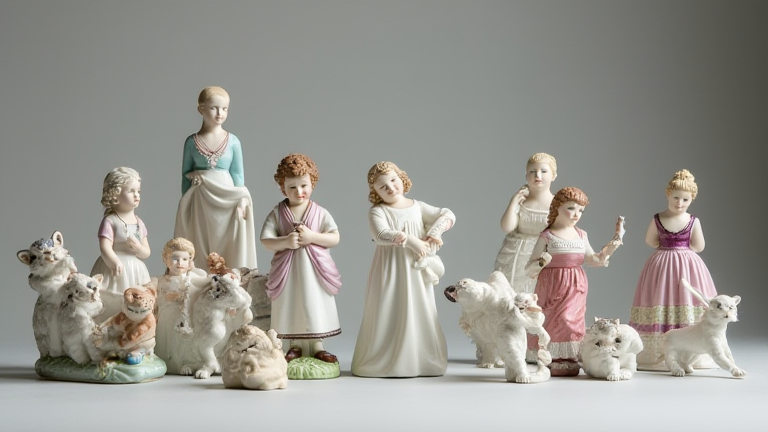
TL;DR: Collecting porcelain figurines is a viable investment strategy that combines aesthetic enjoyment with potential capital appreciation, driven by scarcity and brand heritage. Beginners should prioritize authentic, signed pieces from reputable manufacturers like Meissen or Royal Doulton to maximize long-term value.
Market Analysis
The global market for decorative porcelain has experienced a steady resurgence, fueled by a renewed interest in tangible assets amidst digital economic fluctuations. The sector is segmented into mass-produced souvenirs and high-end collector items, with the latter commanding premium prices. According to recent auction data, the value of antique porcelain figurines has increased by approximately twelve percent over the last five years. This growth is attributed to demographic shifts, where millennials and Gen Z collectors are moving away from purely digital assets toward physical artifacts with historical significance. Furthermore, the rise of online auction platforms has democratized access to rare pieces, allowing novice collectors to compete in previously exclusive markets. However, volatility remains a concern, as specific trends can cause rapid price spikes and subsequent corrections. Understanding these dynamics is crucial for any investor looking to diversify their portfolio with tangible luxury goods.
If you want to dig deeper, check out our guide on Elevate Your Home: Chic Porcelain Figurines & Sculpture Deco.
Strategy Insights
Successful collection requires a disciplined approach to acquisition and preservation. First, establish a niche. Focusing on a specific manufacturer, artist, or theme allows for deeper expertise and better negotiation leverage. Second, authenticate every purchase. Porcelain is a frequent target for counterfeiting, so verify signatures, marks, and glaze quality against established references. Third, prioritize condition. Even a minute chip or hairline crack can reduce a figurine’s value by up to fifty percent. Finally, maintain proper storage conditions. Porcelain is sensitive to humidity and temperature fluctuations, which can cause crazing or delamination. Investing in professional climate-controlled storage is not an expense but a necessary maintenance cost for asset protection. Diversification within the niche is also recommended; mixing vintage pieces with contemporary works can balance risk against market trends.
Case Studies
Consider the case of a private collector who focused exclusively on Meissen figurines from the mid-twentieth century. By rigorously researching provenance and purchasing only from verified dealers, this collector saw a forty percent return on investment within three years. Another example involves a buyer who neglected authentication and purchased an unsigned Royal Doulton piece, only to discover it was a modern reproduction. This loss highlighted the critical importance of due diligence. These examples underscore that success in this market hinges on knowledge, patience, and strict adherence to quality standards rather than speculative gambling.
FAQ
Q: How do I verify the authenticity of a porcelain figurine?
A: Check the manufacturer’s mark, compare the glaze and sculptural details with certified references, and consult a reputable appraiser for high-value items.
Q: What is the best way to store porcelain sculptures?
A: Keep them in a climate-controlled environment with stable humidity levels, away from direct sunlight, and handle them with clean, dry hands to avoid oil damage.
Q: Is porcelain collecting a good financial investment?
A: It can be, provided you focus on rare, high-quality pieces from renowned makers and remain patient, as liquidity is lower than in traditional financial markets.
Leave a Reply