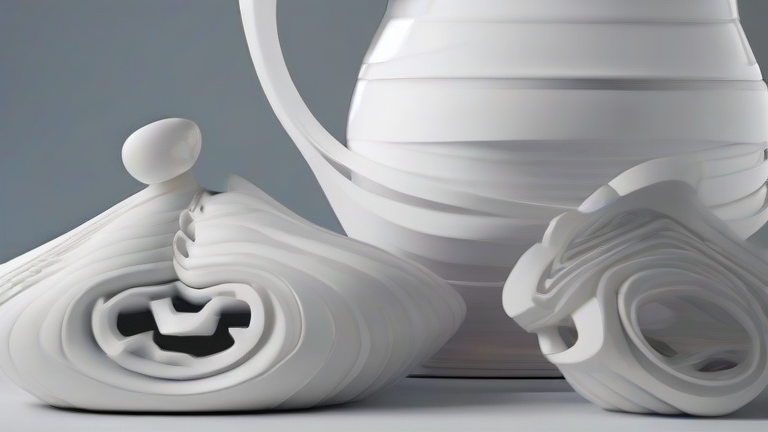
Tech in Porcelain: Digital Sculpture & 3D Printing Trends
TL;DR: Digital sculpture software and high-precision ceramic 3D printing are revolutionizing the creation of porcelain figurines, enabling intricate details previously impossible via manual carving. This technological shift significantly reduces production lead times and allows for mass customization of unique, high-fidelity porcelain sculptures for both artistic and industrial markets.
The intersection of digital art and traditional craftsmanship is reshaping the porcelain industry. Historically, creating complex porcelain figurines required months of skilled manual labor, limiting production scale and increasing costs. Today, artists use professional 3D modeling software like ZBrush to sculpt virtual porcelain pieces with microscopic precision. These digital files are then converted into 3D printable formats, bridging the gap between digital imagination and physical reality. The latest developments in ceramic 3D printing focus on improving material consistency and reducing post-processing requirements, which have traditionally been bottlenecks in the workflow.
If you want to dig deeper, check out our guide on How to Make Porcelain Figurines: A Complete Beginner’s Guide.
Latest Developments and Specifications
Recent advancements in stereolithography and binder jetting technologies have made porcelain printing more accessible and reliable. Modern ceramic printers now achieve layer heights as low as 25 microns, allowing for the reproduction of fine textures, hair-like strands, and delicate floral patterns on figurines. The porcelain slurries used in these processes typically consist of alumina, silica, and feldspar, formulated with specific viscosities to ensure stability during the printing process. High-end systems feature automated drying chambers that prevent cracking during the initial curing phase, a common issue in earlier generations of technology. Furthermore, post-printing sintering ovens now offer precise temperature control, ensuring that the final porcelain pieces reach their full density and hardness without warping. The resulting material exhibits high compressive strength and a smooth, glass-like finish that rivals traditional kiln-fired porcelain, making it suitable for both decorative and functional applications.
Industry Impact
The integration of digital tools has democratized porcelain creation, allowing small studios to compete with large manufacturers. This shift supports sustainable practices by reducing material waste; digital sculpting allows for iterative design without consuming physical clay. Moreover, the ability to print on demand enables businesses to offer personalized figurines, such as custom memorial pieces or bespoke art commissions, without the inventory risks associated with traditional manufacturing. The industry is seeing a surge in demand for hybrid products, where 3D printed porcelain bases are combined with hand-painted digital motifs, creating a unique aesthetic that appeals to modern consumers. As technology continues to evolve, we expect to see even higher resolution printers and faster sintering processes, further lowering the cost barrier and expanding the market for digital porcelain art.
FAQ
Q: What is the primary material used in 3D printed porcelain?
A: The primary material is a specialized ceramic slurry composed of fine porcelain particles, binders, and water, which is cured and sintered to create the final solid object.
Q: How does 3D printing improve the creation of porcelain figurines?
A: It allows for the rapid production of complex, high-detail designs that are difficult to carve manually, reducing time-to-market and enabling intricate customization.
Q: Are 3D printed porcelain pieces as durable as traditional ones?
A: Yes, when properly sintered, 3D printed porcelain achieves comparable density, strength, and aesthetic quality to traditionally kiln-fired porcelain pieces.
Leave a Reply