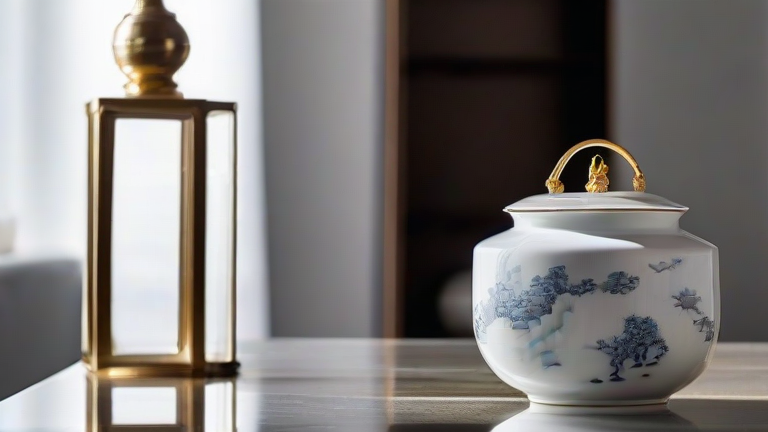
TL;DR: While rare, certain antique porcelain pieces may contain trace lead or cadmium in their glazes, posing potential health risks if chips are ingested or dust is inhaled. Modern, certified porcelain is generally safe, but proper cleaning and storage are essential to mitigate any hidden hazards associated with decorative art collections.
The Allure and the Anxiety
Porcelain figurines and sculptures have long been prized for their elegance, durability, and artistic merit. From delicate Chinese vases to intricate European busts, these items add a sophisticated touch to any home. However, a growing number of collectors and homeowners are asking a critical question: is my beautiful collection actually safe? The short answer is nuanced. While modern porcelain is typically inert and safe, the history of porcelain production reveals some concerning materials that could impact health if mishandled. This article explores the hidden risks associated with porcelain art and provides science-backed advice to keep your collection—and your home—safe.
If you want to dig deeper, check out our guide on Elevate Your Space: The Art of Porcelain Figurines.
Understanding the Material Risks
Porcelain is made from kaolin clay, feldspar, and quartz, fired at high temperatures. The primary health concern does not usually stem from the clay body itself, but rather from the glazes and decorative paints applied to the surface. Historically, lead and cadmium were used in glazes to achieve vibrant colors and a glassy finish. While these heavy metals are bound within the glass-like structure of the glaze, they can leach out if the surface is damaged, chipped, or worn down over time. Additionally, the process of cleaning or dusting old porcelain can generate fine particulate dust. If this dust contains trace amounts of heavy metals or simply accumulates mold spores due to poor ventilation, inhalation can pose respiratory risks. It is crucial to distinguish between modern, food-safe porcelain and antique or non-certified decorative pieces, which may lack safety testing.
Science-Backed Safety Practices
To minimize risks, adopt a proactive approach to handling your porcelain collection. First, always wash your hands thoroughly after handling figurines, especially if you plan to eat afterward. Avoid using abrasive cleaners or harsh chemicals, as these can scratch the glaze, creating microscopic pathways for potential leaching. Instead, use a soft, dry cloth or a damp microfiber cloth for routine dusting. If a piece is particularly old or has visible chips, consider having it professionally stabilized or sealed by a conservator. Regularly inspect your collection for signs of wear, such as fading or cracking glazes, and retire damaged pieces from display to reduce exposure. Proper storage in a cool, dry environment also prevents mold growth, which can exacerbate indoor air quality issues.
Lifestyle Tips for the Healthy Collector
Integrating these safety measures into your lifestyle is straightforward. Designate a specific area for storing and cleaning your porcelain, ideally in a well-ventilated room. Use high-efficiency particulate air (HEPA) filters in your home to capture any airborne dust particles. When displaying fragile or older pieces, keep them away from high-traffic areas where accidental drops or bumps are more likely to occur. Educate family members, especially children, about the fragility and potential hazards of the items. By treating your collection with both aesthetic appreciation and practical caution, you can enjoy the beauty of porcelain art without compromising your health. Remember, prevention is always better than remediation, and a few simple habits can make a significant difference in maintaining a safe living environment.
FAQ
Q: Is all porcelain safe to touch?
A: Modern, food-safe porcelain is generally safe for regular handling. However, antique or non-certified decorative pieces may contain lead or cadmium in their glazes, so it is best to avoid ingesting any dust or chips and to wash hands after handling them.
Q: How often should I clean my porcelain collection?
A: Dust your porcelain figurines and sculptures every one to two weeks using a soft, dry cloth. Avoid frequent wet cleaning unless necessary, as excessive moisture can damage the glaze over time and promote mold growth in poorly ventilated areas.
<p
Leave a Reply