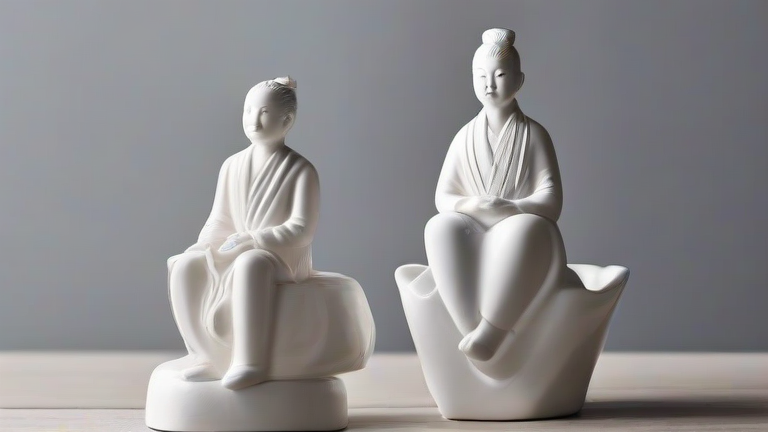
TL;DR: Porcelain figurines can pose health risks if they are made with lead-glazed materials or contain toxic stabilizers, potentially exposing viewers to heavy metal contamination. Choosing lead-free, certified safe ceramics and maintaining mindful, clutter-free display practices significantly enhances both physical safety and mental well-being.
Decorative arts have long been integrated into home environments, serving as aesthetic anchors that evoke nostalgia, culture, and personal history. Among the most cherished collectibles are porcelain figurines and sculptures. These delicate pieces, often crafted in the styles of Meissen, Limoges, or modern artisanal traditions, bring elegance and character to living spaces. However, the intersection of aesthetic appeal and health safety is a critical yet often overlooked aspect of interior design. While the visual charm of these items is undeniable, their material composition can introduce hidden health hazards that impact daily well-being. Understanding the potential risks associated with these decorative objects allows individuals to make informed decisions that protect their health without sacrificing their love for art.
If you want to dig deeper, check out our guide on Porcelain Figurines: Stylish Home Decor & Lifestyle Ideas.
The Hidden Chemical Landscape of Ceramics
The primary concern regarding older or mass-produced porcelain figurines is the potential presence of lead and cadmium. Historically, lead oxides were used in glazes to achieve a glossy finish and enhance color vibrancy. If a figurine is scratched, chipped, or has porous glaze, lead particles can flake off and be inhaled or ingested, particularly by children or pets. Recent studies in environmental health have highlighted that even low-level chronic exposure to lead can affect cognitive function and cardiovascular health. Furthermore, some synthetic resins used in modern “porcelain-like” plastics may emit volatile organic compounds (VOCs), such as formaldehyde, which can irritate the respiratory system. It is essential to distinguish between true vitrified porcelain, which is generally stable, and lower-quality ceramic imitations that may not have undergone proper firing processes. Consumers should look for certifications like “lead-free” or “food-safe” if the items are near eating areas, though most figurines are strictly for display. Proper ventilation in rooms where new decorations are introduced can also help mitigate any off-gassing from fresh glazes or packaging materials.
Mindful Display and Psychological Well-being
Beyond physical toxicity, the arrangement of porcelain sculptures plays a significant role in mental health. Cluttered spaces, even when filled with beautiful objects, can increase cortisol levels and contribute to feelings of anxiety. Mindful curation involves selecting a limited number of meaningful figurines that resonate emotionally, rather than overcrowding shelves with excessive collections. This practice, rooted in minimalist design principles, promotes a sense of calm and order. Placing these items at eye level or in areas of natural light can enhance their visual impact without creating visual noise. Additionally, handling these fragile pieces with care encourages a moment of mindfulness, fostering a connection between the individual and the object. This intentional interaction can serve as a grounding exercise, reminding the viewer to appreciate the craftsmanship and history behind the piece. By integrating these objects thoughtfully, the home becomes a sanctuary that supports both physical safety and psychological restoration.
Practical Safety and Maintenance Tips
To ensure a safe environment, homeowners should regularly inspect their porcelain collection for cracks or glaze deterioration. Items showing signs of damage should be removed from high-traffic areas or sealed with a professional ceramic sealer if appropriate. Cleaning should be done with soft, dry cloths to avoid abrasive damage that could release micro-particles. For collectors of vintage pieces, consulting with a conservator can provide insights into the specific materials used. Ultimately, the goal is to create a harmonious balance between aesthetic pleasure and health consciousness. By prioritizing quality materials and mindful placement, one can enjoy the timeless beauty of porcelain figurines while safeguarding personal well-being.
FAQ
Q: Are vintage porcelain figurines dangerous to have in my home?
A: They can be if the glaze contains lead and is chipped or worn; it is best to handle them with care, wash hands after touching, and avoid placing them where children or pets might put them in their mouths.
Q: How can I tell if a porcelain piece is lead-free?</strong
Leave a Reply