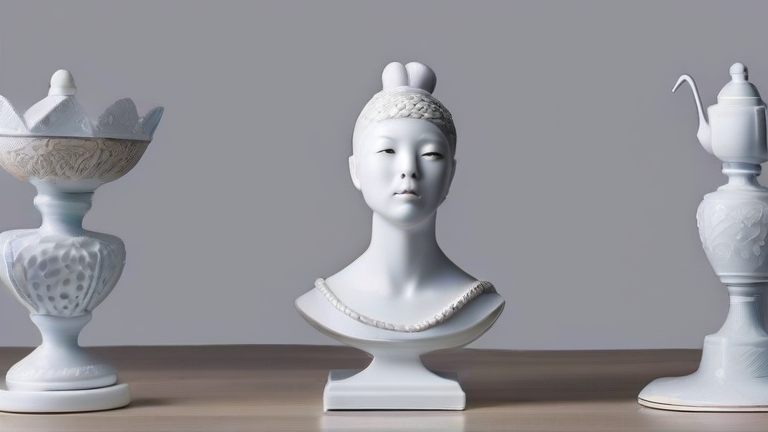
TL;DR: Porcelain figurines and sculptures are enduring art forms that blend delicate craftsmanship with lasting value, making them ideal for collectors and decorators alike. This review highlights their key features, compares them to resin and glass alternatives, and explains why they remain a superior investment for aesthetic and sentimental worth.
Feature Highlights: Why Porcelain Stands Alone
Porcelain figurines are celebrated for their fine, translucent body, which allows for intricate detailing that other materials simply cannot match. High-fire porcelain (fired at 1,200–1,400°C) produces a dense, non-porous surface that resists chipping, fading, and moisture damage. Artisans often hand-paint each piece with underglaze or overglaze enamels, creating depth of color—from blush pinks on floral sculptures to rich gold accents on royal-themed figures. The hallmark of premium porcelain is its “ring” when tapped; a clear, bell-like tone indicates proper vitrification, ensuring decades of durability.
If you want to dig deeper, check out our guide on Does Collecting Porcelain Figurines Boost Mental Health?.
Another standout feature is the sheer range of styles. From whimsical Hummel-style children to elegant Lladró swans, modern sculptors also push boundaries with abstract forms and matte finishes. Many pieces include hand-numbered editions or artist signatures, which elevate their collectible status. Unlike mass-produced resin ornaments, porcelain retains a cool, smooth texture that feels substantial and luxurious in hand—a sensory experience that collectors prize.
Porcelain vs. Resin and Glass: A Comparative Review
When comparing materials, porcelain outperforms resin in longevity. Resin figurines are lighter and cheaper, but they yellow over time, are prone to warping in heat, and often feature molded seams. Glass sculptures, such as crystal or art glass, offer brilliance but are fragile and can scratch easily, losing their luster. Porcelain, by contrast, offers a middle ground: it is more robust than glass yet more refined than resin. For example, a porcelain ballerina sculpture holds fine finger positions and tutu pleats that resin versions blur, while glass versions would require thick supports to avoid breakage.
Price-wise, porcelain sits higher than resin but lower than hand-blown glass. A mid-tier porcelain figurine (8–10 inches) typically costs $80–$250, whereas comparable glass art starts at $300. The value proposition is clear: porcelain offers museum-quality detail at a more accessible price point, and its resale market remains strong. Vintage brands like Royal Copenhagen or Meissen often appreciate 5–10% annually, a claim resin cannot make.
Why You Should Invest in Porcelain Today
Beyond aesthetics, porcelain figurines serve as heirloom pieces that bridge generations. They require minimal care—just dust with a soft brush and avoid direct sunlight to prevent pigment fading. Whether you are starting a shelf collection or seeking a statement centerpiece, the tactile beauty and historical craft of porcelain offer unmatched satisfaction. Plus, limited-edition releases from contemporary studios like Seaway or Border Fine Arts ensure you can own a unique piece that won’t be replicated.
Call-to-Action
Ready to elevate your home or gift a timeless treasure? Browse our curated selection of hand-finished porcelain figurines, from classic florals to modern minimalist sculptures. With free shipping on orders over $75 and a 30-day return policy, there’s no risk—only reward. Click “Shop Now” to find your next conversation piece, or subscribe to our newsletter for early access to artist-dropped limited editions.
FAQ
Q: How do I clean a porcelain figurine without damaging the glaze?
A: Use a soft, dry microfiber cloth or a fine sable brush to gently remove dust. For stubborn spots, lightly dampen the cloth with distilled water—never use soap or chemical cleaners, as they can strip the glaze. Avoid submerging the piece in water.
Q: Are all porcelain figurines marked with a brand or signature?
A: No, but reputable makers stamp their logo, artist initials, or edition numbers on the base. If unmarked,
Leave a Reply