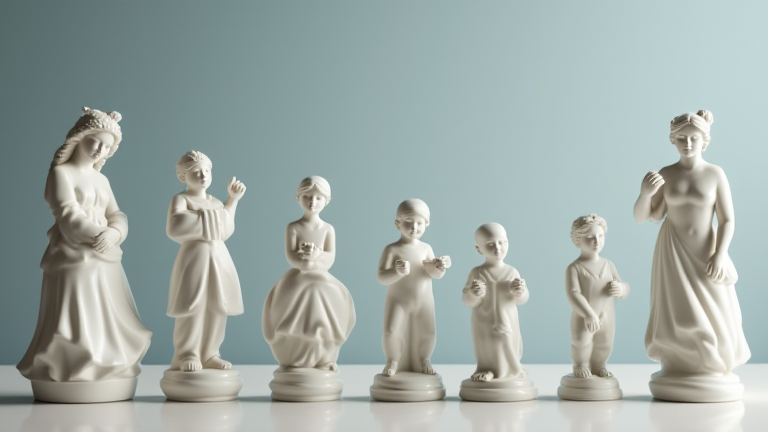
Porcelain Figurines & Health: Air Quality, Dust, and Safe Care Tips
TL;DR: Porcelain figurines are chemically inert and do not emit harmful volatile organic compounds, making them safe for indoor air quality. However, they act as dust magnets, so regular, gentle cleaning with dry microfiber cloths is essential to prevent respiratory irritation from accumulated particulate matter.
The Respiratory Impact of Decorative Objects
Many health-conscious homeowners worry that decorative items might negatively affect indoor air quality. Porcelain, a high-fired ceramic material, is generally non-toxic and stable once fired. Unlike some plastics or treated woods, porcelain does not off-gas chemicals that could contribute to indoor pollution. However, the primary health concern associated with porcelain figurines and sculptures is not the material itself, but the environment in which they reside. These objects, particularly those with intricate details, crevices, or textured surfaces, are excellent traps for airborne dust, pollen, and pet dander. Over time, if left unattended, these deposits can become a reservoir for allergens and microscopic mold spores, especially in humid environments. For individuals with asthma or allergies, a neglected collection of figurines can exacerbate respiratory issues. Therefore, maintaining these pieces is not just an aesthetic choice but a health management strategy for your home.
If you want to dig deeper, check out our guide on Tech Trends: Digital Preservation of Porcelain Figurines.
Science-Backed Cleaning Protocols
Effective care for porcelain items requires a balance between preservation and hygiene. Avoid using harsh chemical cleaners, as some may damage the glaze over time, potentially creating microscopic pores where dust can settle more aggressively. Instead, use a soft, lint-free microfiber cloth to gently wipe down surfaces. For intricate sculptures with hard-to-reach areas, use a soft-bristled brush, such as a clean makeup brush or a dedicated art conservation brush, to sweep away loose particles. This method prevents pushing dust into the crevices where it is harder to remove. It is crucial to avoid wet cleaning unless absolutely necessary, as moisture can promote mold growth in porous areas or underneath the base of the figurine. If a figurine has been stored in a humid area, allow it to acclimate to room temperature and dry completely before placing it back on display to prevent condensation-related issues.
Lifestyle Tips for Safe Display
Placement is key to minimizing dust accumulation. Avoid placing porcelain figurines in high-traffic areas or directly under air vents, where constant air movement can stir up settled dust and redistribute it throughout the room. Shelving units with glass doors or display cases with seals can significantly reduce the frequency of cleaning required while protecting the pieces. Additionally, consider the location relative to cooking areas, as kitchen grease particles are stickier and harder to remove from glazes. Regularly dusting the surrounding area, such as the shelf or table top, prevents cross-contamination. By adopting a proactive maintenance schedule, you ensure that your porcelain collection remains a source of visual joy without becoming a hidden source of respiratory irritants. This approach aligns with broader wellness goals by promoting a cleaner, more controlled indoor environment.
FAQ
Q: Is porcelain safe for people with allergies?
A: Yes, porcelain is hypoallergenic and inert, but it must be kept dust-free to prevent it from becoming a breeding ground for allergens like dust mites and mold spores.
Q: What is the safest way to clean a detailed porcelain sculpture?
A: Use a dry, soft-bristled brush to gently remove loose dust from crevices, followed by a dry microfiber cloth for smooth surfaces, avoiding wet cleaners that can trap moisture.
Q: Can porcelain figurines release toxic fumes?
A: No, properly fired porcelain does not emit volatile organic compounds or toxic fumes, making it a safer decorative alternative to some synthetic materials.
Leave a Reply