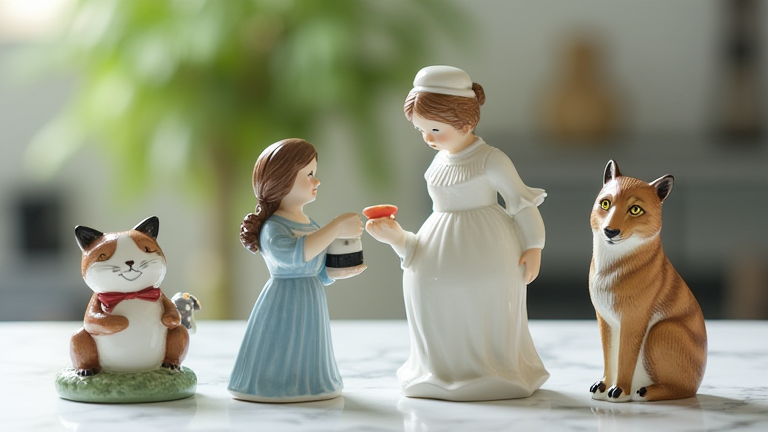
TL;DR: Collecting porcelain figurines enhances mental health by fostering mindfulness, reducing cortisol levels, and providing a tangible sense of accomplishment. The tactile engagement and aesthetic appreciation inherent in curating these delicate sculptures promote emotional stability and cognitive clarity.
The Neurology of Aesthetic Appreciation
Engaging with art is not merely a passive hobby; it is an active cognitive exercise that stimulates multiple areas of the brain. When collectors examine porcelain figurines, they engage in a form of focused attention that mirrors the benefits of meditation. The intricate details of hand-painted ceramic sculptures require sustained visual focus, which helps to quiet the default mode network in the brain. This network is often associated with mind-wandering and anxiety. By redirecting attention to the subtle glazes and precise forms of porcelain art, individuals can effectively interrupt cycles of rumination. Research in neuroaesthetics suggests that viewing beautiful objects triggers the release of dopamine, a neurotransmitter linked to pleasure and motivation. This biochemical response creates a positive feedback loop, where the act of collecting and admiring figurines leads to an immediate sense of well-being. Furthermore, the permanence and stability of ceramic materials provide a psychological anchor. Unlike digital content, which is ephemeral and constantly changing, porcelain figurines offer a consistent visual reference point. This stability can be particularly beneficial for individuals experiencing high levels of stress, as it fosters a sense of order and control in their immediate environment.
If you want to dig deeper, check out our guide on Investing in Porcelain Figurines: A Guide to Sculpture Value.
Tactile Connection and Stress Reduction
The physical act of handling porcelain figurines contributes significantly to stress reduction. The smooth, cool surface of glazed ceramic provides a unique tactile sensation that is calming to the nervous system. This sensory input can help ground individuals in the present moment, a technique often used in mindfulness practices. When collectors clean or arrange their porcelain collections, they engage in repetitive, low-stakes physical movements. These actions lower heart rate and blood pressure, counteracting the physiological effects of the stress response. Additionally, the process of curating a collection involves decision-making and organization. This cognitive engagement strengthens executive function and provides a sense of purpose. For many, the ritual of selecting a new figurine or rearranging a display shelf becomes a meditative practice. It transforms a mundane task into a moment of creative expression and personal reflection. The beauty of porcelain lies in its fragility, which paradoxically encourages a gentle and careful approach. This mindfulness of movement and intention helps to cultivate patience and emotional regulation. Over time, the collection serves as a personal archive of joy and memory, offering comfort during difficult periods. The visual appeal of well-maintained porcelain sculptures also enhances the aesthetic quality of living spaces. A harmonious environment has been shown to improve mood and cognitive performance. By integrating these delicate artworks into daily life, individuals create a sanctuary of calm and beauty that supports overall mental wellness.
Building Community Through Shared Passion
Collecting porcelain figurines also fosters social connections, which are vital for mental health. Joining collector groups, attending auctions, or participating in online forums allows enthusiasts to share knowledge and experiences. These interactions reduce feelings of isolation and provide a sense of belonging. Discussing the history, craftsmanship, and provenance of specific figurines deepens one’s appreciation for the art form. This intellectual engagement stimulates the mind and prevents cognitive decline. Moreover, the shared language and passion within the collector community create a supportive network. Individuals can find mentorship, trade pieces, and celebrate new acquisitions together. This social dimension adds a layer of meaning to the hobby, transforming it from a solitary pursuit into a communal experience. The exchange of stories behind each figurine creates a narrative that connects collectors across time and geography. This sense of continuity and shared heritage can be deeply satisfying and reassuring. In essence, the hobby of collecting porcelain figurines offers a multifaceted approach to mental health. It combines the neurological benefits of aesthetic appreciation, the physiological relief of tactile engagement, and the social support of community involvement. By embracing this hobby, individuals can cultivate a more balanced, mindful, and joyful existence.
FAQ
Q: Is collecting porcelain figurines an expensive hobby?
A: While some rare pieces are costly, many affordable options exist. You can start with mass-produced figurines or vintage
Leave a Reply