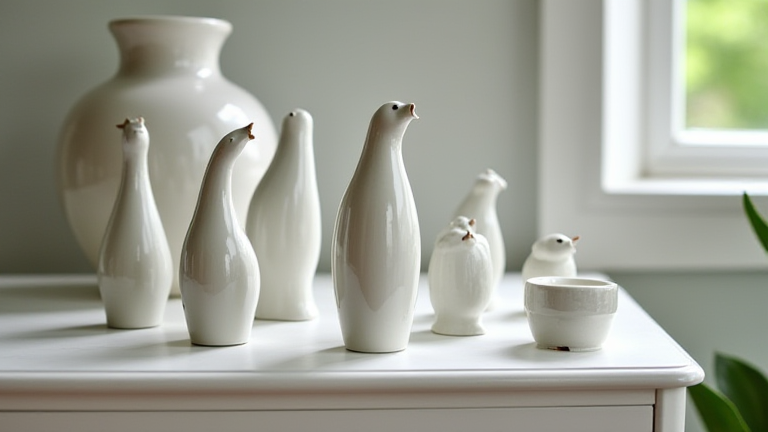
TL;DR: Porcelain figurines are not dusty relics—they are curated storytellers that anchor a room’s aesthetic in timeless craftsmanship. By choosing pieces that reflect your travels, cultural heritage, or personal growth, you transform a decorative object into a daily reminder of who you are becoming.
The Art of Slow Living, Miniaturized
In an era of mass-produced décor and fleeting trends, porcelain figurines offer a counter-narrative: permanence. Each piece carries the fingerprints of artisans who have honed their craft over decades, often in workshops that have survived wars, economic shifts, and changing tastes. When you place a hand-painted shepherdess or a minimalist abstract figure on your mantel, you are not just decorating—you are participating in a lineage of patience. Unlike a fast-fashion vase that chips within a year, a fine porcelain sculpture is an heirloom designed to outlive you, gathering stories with every move and every generation that dusts it.
If you want to dig deeper, check out our guide on Investing in Porcelain: The Art & Business of Fine Figurines.
Travel Souvenirs with a Soul
For the wanderer, porcelain figurines serve as three-dimensional postcards. Instead of buying a mass-produced fridge magnet, seek out a local ceramicist’s studio during your travels. A Delft blue windmill from the Netherlands, a delicate Geisha from Kyoto, or a rustic Provençal rooster from a French market—each piece encodes the light, clay, and glaze of its origin. When you return home, these figurines become anchors for your memories, triggering not just visual recall but the scent of a foreign bakery or the sound of a distant bell. They are conversation starters that invite guests to ask, “Where did you find that?”—and you get to relive the journey every time.
Personal Growth in Porcelain Form
Beyond nostalgia, figurines can mirror your inner evolution. Choose a sculpture that represents a virtue you are cultivating: a serene Buddha for mindfulness, a dancing ballerina for grace under pressure, or a lone wolf for resilience. As you place it on your desk or shelf, it becomes a silent affirmation. Over time, the figurine’s fixed posture contrasts with your changing self, reminding you that growth is not about discarding the old but about standing beside it with new perspective. Some collectors intentionally rotate their pieces seasonally—a winter robin for introspection, a spring fawn for renewal—creating a ritual that aligns your living space with your current chapter.
Styling Without Clutter
The secret to elevating a room with porcelain is restraint. Group three to five figurines of varying heights on a tray, a windowsill, or a bookshelf’s negative space. Mix one antique piece with two modern minimalist ones to create visual tension. Avoid overcrowding—let each sculpture breathe. Use a matte black or brass pedestal to give a single hero piece the gravity it deserves. And remember: lighting matters. A small LED spotlight or a nearby table lamp can turn a 6-inch figurine into a dramatic focal point, casting gentle shadows that highlight the glaze’s depth.
FAQ
Q: How do I clean porcelain figurines without damaging them?
A: Use a soft, dry microfiber cloth to dust weekly. For stubborn grime, dip a cotton swab in lukewarm water with a drop of mild dish soap, gently wipe, then immediately dry with a separate cloth. Never submerge figurines or use abrasive cleaners, as they can strip hand-painted details or crack the glaze.
Q: Are porcelain figurines a good investment for resale value?
A: While some rare antique pieces (e.g., Meissen or early Royal Copenhagen) appreciate significantly, most figurines hold sentimental rather than financial value. Buy them for joy, not profit. If you do collect for investment, focus on limited editions with certificates of authenticity and original packaging, and store them out of direct sunlight to prevent fading.
Q: Can I mix porcelain figurines with modern, minimal décor?
A: Absolutely. The contrast between delicate porcelain and sleek surfaces (glass, concrete, or matte wood) creates a striking tension.
Leave a Reply