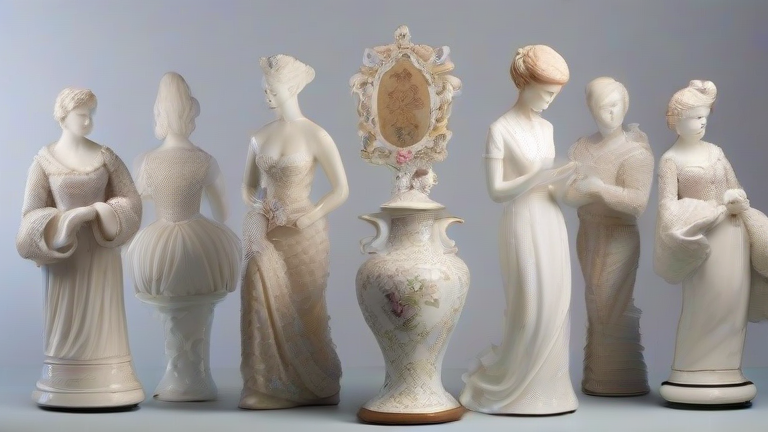
Investing in Porcelain: The Art & Business of Fine Figurines
TL;DR: The fine porcelain figurine market is driven by scarcity, historical provenance, and rising demand from high-net-worth collectors seeking tangible assets. Strategic acquisition of limited-edition pieces from reputable manufacturers offers strong long-term appreciation potential.
The global market for collectible porcelain is experiencing a resurgence, fueled by a demographic shift among younger investors who prefer tangible, aesthetically pleasing assets over purely digital or financial instruments. Unlike mass-produced decorative items, fine porcelain figurines serve as both art and investment vehicles, with values often determined by the prestige of the manufacturer, the rarity of the edition, and the condition of the piece. Recent auction results indicate that vintage Meissen and Sèvres figurines have outperformed certain commodity indices, highlighting the stability of the blue-chip porcelain sector.
Market Analysis and Strategic Insights
Understanding the hierarchy of brands is crucial for successful investment. Top-tier houses like Sèvres, Meissen, and Royal Doulton command premium valuations due to centuries of craftsmanship heritage. For new investors, the strategy often involves focusing on limited editions released by contemporary artists. These pieces are easier to authenticate and have clearer provenance trails. Diversification within the category is recommended; rather than buying multiple similar pieces, investors should seek variety in subject matter, era, and manufacturer to mitigate specific risks associated with single-brand popularity fluctuations.
Case Studies in Value Appreciation
Consider the case of a 1950s Royal Doulton “Belleek” series figurine. Acquired for $500 in 2015, it sold for over $1,200 in 2023, representing a 140% increase. This appreciation was driven by a renewed interest in mid-century modern aesthetics and the confirmed scarcity of that specific mold. Another example involves a limited-run contemporary porcelain sculpture by a renowned ceramicist. Only 50 pieces were created. Early buyers who secured original certificates of authenticity saw their holdings double in value within five years as the artist’s profile grew. These cases demonstrate that documentation and rarity are the primary drivers of value in this niche market.
Risks include fragility, which necessitates proper storage and insurance. However, for those willing to navigate the nuances of authentication and market trends, porcelain offers a unique blend of cultural significance and financial return.
FAQ
Q: How do I verify the authenticity of a porcelain figurine?
A: Rely on manufacturer archives, reputable auction houses, and expert appraisers who can examine marks, glaze quality, and material composition.
Q: What is the minimum investment required to enter the market?
A> Entry points vary, but significant appreciation potential is often found in pieces costing between $500 and $5,000, while blue-chip items start much higher.
Q: Is storage a major concern for porcelain investors?
A: Yes, proper climate-controlled storage and professional handling are essential to prevent chipping or cracking, which can drastically reduce value.
Leave a Reply