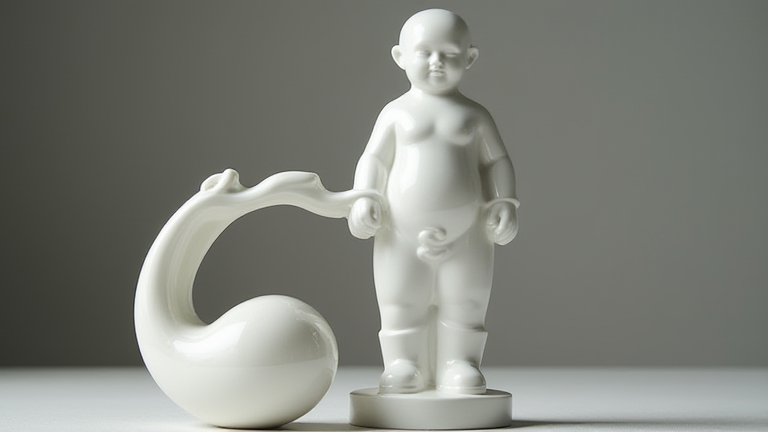
TL;DR: Yes, porcelain figurines are generally safe for display, but they are not food-safe or toy-safe. The primary health risk is lead in vintage or improperly fired glazes, which becomes dangerous only if ingested, inhaled as dust, or used to hold food.
Why Porcelain Figurines Pose a Hidden Health Question
Porcelain is a ceramic material fired at extremely high temperatures (above 1,200°C). In modern, reputable manufacturers, the glaze is vitrified—glass-like and inert—meaning no lead or cadmium can leach out under normal handling. However, the health concern is not the figurine itself, but the glaze and paint applied to it. Historically (pre-1970s), lead was used to lower the melting point of glaze and create vibrant, glossy colors. If that glaze is cracked, chipped, or worn, microscopic lead particles can become airborne when you dust or move the piece.
If you want to dig deeper, check out our guide on Porcelain Figurine Tutorial: Sculpting Techniques for Beginn.
Science-backed fact: The CDC and FDA state that lead is a neurotoxin, especially harmful to children and pregnant women. The danger is not touching the figurine—lead does not absorb through intact skin. The danger is hand-to-mouth transfer. If a child kisses the figurine, or if you eat snacks after handling a dusty vintage piece without washing your hands, you ingest lead. Also, never use a porcelain figurine as a spoon rest, toothpick holder, or mini vase for drinking water. Acidic liquids (coffee, juice) can slowly break down a compromised glaze.
Lifestyle Tips for Safe Display
First, test your vintage pieces. Home lead swab kits (available at hardware stores) are 90% accurate. If a figurine tests positive, do not discard it—just quarantine it. Place it in a locked glass cabinet, or seal it with a clear, water-based polyurethane spray (let it cure for 72 hours). This creates a physical barrier. Second, dust smartly: use a damp microfiber cloth, never a dry feather duster, which sends lead-laced dust into the air you breathe. Rinse the cloth after each use. Third, keep figurines off low shelves, coffee tables, or mantels near where children play. Elevate them above 4 feet, or behind a barrier.
For modern figurines, look for the label “lead-free” or “food-safe” if you plan to use them decoratively near dining areas. The FDA limits lead in ceramic glaze to 0.5 micrograms per milliliter for foodware; decorative items have no limit, so assume they are not safe for food contact. Also, avoid buying cheap imported figurines with a powdery or matte finish—these are often low-fired earthenware, not true porcelain, and can leach more easily.
FAQ
Q: Can I get lead poisoning just by looking at or touching a porcelain figurine?
A: No. Intact skin is a strong barrier, and lead needs to be ingested or inhaled as dust. Touching is safe as long as you wash your hands before eating. The risk is from chipped glaze, dust, or children mouthing the object.
Q: Is it safe to keep vintage porcelain figurines in a bedroom where I sleep?
A: Yes, if the glaze is intact and you do not disturb it. The only risk is if the figurine is broken into small pieces—then you should seal the pieces in a bag and dispose of them, as fragments can create inhalable dust.
Q: Are all modern porcelain figurines completely lead-free?
A: Not automatically. While most U.S. and EU manufacturers use lead-free glazes, some imported decorative items still contain lead in colored paints. When in doubt, use a test swab or check the manufacturer’s safety data sheet. Better yet, buy from brands that explicitly certify “lead and cadmium free.”
Leave a Reply