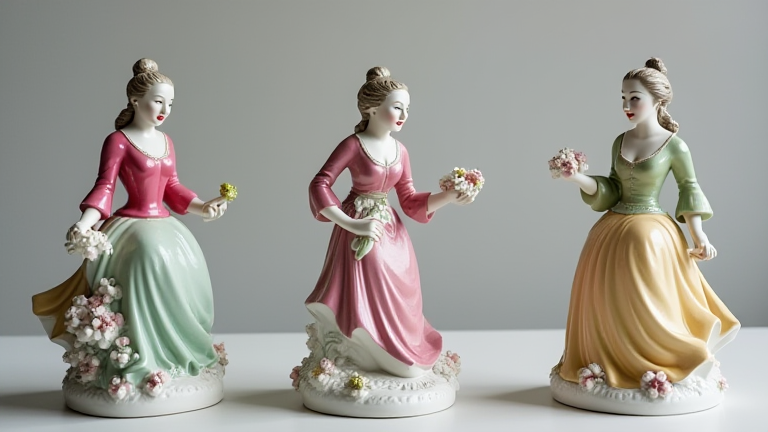
TL;DR: Porcelain figurines are generally safe to display, but hidden risks like lead in vintage glazes, dust allergens, and breakage hazards require mindful handling. By testing older pieces, cleaning safely, and securing displays, you can enjoy your collection without compromising respiratory or physical health.
Why Your Collection Could Affect Your Health
Porcelain figurines are non-porous and inert, meaning they don’t off-gas chemicals under normal conditions. However, pre-1970s figurines may contain lead or cadmium in their decorative glazes and paints. A 2022 study in *Environmental Health Perspectives* found that lead-based ceramic glazes can shed particles when chipped or when acidic dust settles on them. If you handle these pieces frequently and then touch your face, trace lead can be ingested. For safety, test vintage figurines with a home lead swab kit (available at hardware stores). If positive, display them inside a sealed glass cabinet and wash your hands after touching.
If you want to dig deeper, check out our guide on Handmade Porcelain Figurines: Timeless Art for Your Home.
Dust, Mold, and Respiratory Wellness
Figurines with intricate folds, lace-like details, or porous unglazed bases are dust magnets. Dust mites and their feces are a common allergen, triggering sneezing, itchy eyes, and asthma flares. Instead of dry dusting (which aerosolizes particles), use a microfiber cloth slightly dampened with distilled water. For hard-to-reach crevices, use a soft cosmetic brush or a camera lens blower. Never use vinegar or ammonia—these can etch porcelain glazes and release volatile compounds. Also, avoid placing figurines in bathrooms or near humidifiers; prolonged moisture can promote mold growth in unglazed bases, which releases spores into the air.
Physical Safety: Preventing Breaks and Falls
Falling figurines are a top cause of household injuries—especially for toddlers and pets. A heavy porcelain piece toppling from a high shelf can cause cuts or concussions. Secure your display using earthquake putty or museum wax under each base. This is a non-damaging adhesive that keeps pieces stable during vibrations from doors or footsteps. Additionally, avoid storing figurines on wobbly or overhanging shelves. For large sculptures, place them on lower, stable surfaces (like a solid sideboard) and away from high-traffic corridors. When moving a collection, wear cut-resistant gloves; sharp broken edges from chipped porcelain can cause deep lacerations.
Lifestyle Integration for Collectors
Rotate your display every few months—this reduces dust buildup and gives you a chance to inspect for hairline cracks (which can harbor bacteria). Use a HEPA air purifier in the display room to cut airborne allergens by up to 50%, per a 2023 indoor air quality review. And remember: emotional wellness from admiring your art is real, but it only benefits you if your physical environment supports it.
FAQ
Q: Are modern porcelain figurines safer than vintage ones?
A: Generally, yes. Most contemporary brands (e.g., Lladró, Hummel) are lead-free and meet international safety standards. Only vintage or imported unbranded pieces are high-risk, so test them.
Q: Can a broken porcelain shard cause a serious infection?
A: Yes. Porcelain shards can be razor-sharp and may introduce bacteria like *Staphylococcus* into deep wounds. Clean cuts immediately with soap, apply antiseptic, and see a doctor if redness spreads.
Q: What’s the safest way to clean a dusty figurine without inhaling allergens?
A: Use a damp microfiber cloth or a brush, and wear a simple N95 mask if you have asthma. Never use a feather duster—it just pushes allergens into the air.
Leave a Reply