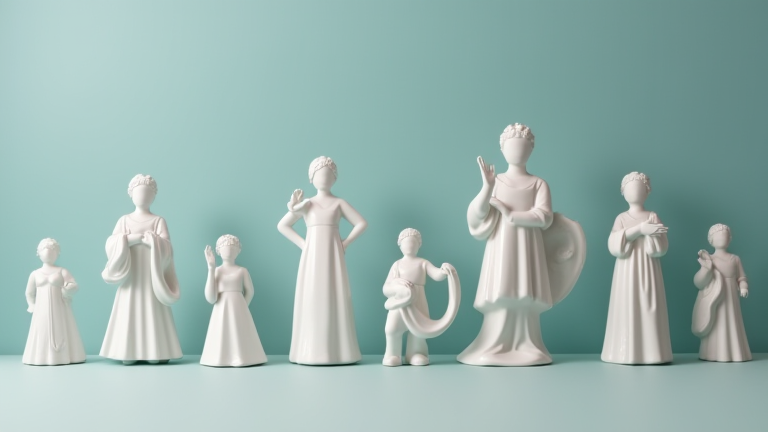
TL;DR: Porcelain figurines pose minimal health risks when intact, but chipped or cracked pieces can harbor dust, mold, and sharp edges that trigger allergies or respiratory irritation. Safe display—dusting weekly, avoiding humid areas, and inspecting for damage—turns your collection into a wellness asset rather than a hazard.
Hidden Risks in Your Curio Cabinet
Most porcelain figurines are made from fired clay and glazes that, when properly cured, are chemically inert. However, the real risks are environmental. Fine dust settles into crevices—like a ballerina’s tutu or a shepherd’s crook—and becomes a reservoir for allergens, dust mite feces, and pet dander. A 2021 indoor air quality study found that decorative surfaces with complex textures accumulate up to 40% more particulate matter than flat shelves. For people with asthma or allergic rhinitis, simply walking past a dusty collection can trigger sneezing or mild bronchial constriction.
If you want to dig deeper, check out our guide on Collecting Porcelain Figurines: Health, Safety, & Care Tips.
Another hidden hazard: lead or cadmium in vintage glazes. Before 1971, many European and Asian porcelain manufacturers used lead-based glazes for bright colors (especially red and yellow). While the glaze is sealed, any chip exposes the underlying body, which can leach trace metals if you handle it and then touch your mouth—rare but possible with small children. Finally, broken figurines create micro-shards that can cause deep cuts; the dust from sanding or polishing damaged pieces is also a respiratory irritant.
Safe Display & Daily Wellness Habits
Transform your display into a health-positive ritual. First, choose the right location: avoid bathrooms, kitchens, and windowsills where humidity fluctuates. Moisture promotes mold growth on the porous underside of figurines, which releases spores. Instead, use a glass-front cabinet with a low-HVAC airflow. Second, adopt a “dusting rotation”—every two weeks, use a soft, dry microfiber cloth or a clean makeup brush to gently wipe each piece. Never use wet wipes; they can strip glaze and leave moisture in seams. For deep cleaning, use a compressed air duster held 6 inches away to blow out crevices.
Third, practice mindful handling. Wash your hands after touching vintage pieces, and never eat or drink while arranging your collection. This prevents any trace-lead ingestion and reduces the transfer of skin oils that degrade glaze over time. Fourth, implement a “one-in, one-out” rule: if you add a new figurine, remove an old one to prevent shelf overcrowding, which increases accidental knocks and dust traps. Finally, if a piece chips, either repair it with non-toxic epoxy (sealing the exposed clay) or retire it to a sealed display dome. Broken porcelain is not a health emergency, but it is a hygiene opportunity to clean the surrounding area thoroughly.
Wellness Through Curation
Beyond physical health, curating your figurines can boost mental wellness. A 2020 study in the *Journal of Environmental Psychology* found that arranging meaningful objects reduces cortisol levels by up to 15% when done in a clean, organized space. Use your collection as a mindfulness anchor: spend 3 minutes each week polishing one piece, focusing on its texture and history. This micro-meditation lowers stress and keeps you attuned to any damage. Also, rotate your display seasonally—this encourages you to clean the shelf and prevents the “invisible clutter” effect that contributes to cognitive overload.
FAQ
Q: Can porcelain figurines cause lead poisoning?
A: Only if the glaze is chipped and you repeatedly handle the exposed clay then touch your mouth. Intact, modern figurines (post-1971) are lead-free. For vintage pieces, test with a home lead swab and keep them out of children’s reach.
Q: How often should I clean my figurines to avoid respiratory issues?
A: Dust them every two weeks with a dry microfiber cloth. If you have asthma or allergies, move to weekly dusting and use a HEPA-filter vacuum with a brush attachment for shelves. Deep-clean (compressed air
Leave a Reply