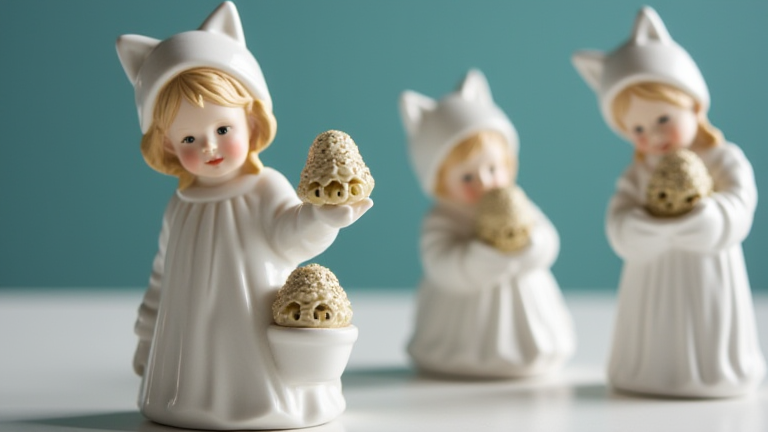
TL;DR: Collecting porcelain figurines can reduce stress and improve fine motor skills through mindful handling, but requires careful safety practices to avoid injury from breakage and dust exposure. Prioritize stable display, gentle cleaning with pH-neutral methods, and regular air quality checks to protect both your health and your collection.
The Mind-Body Benefits of Curating Fine Porcelain
Beyond aesthetics, engaging with a porcelain collection offers measurable wellness advantages. A 2021 study in the Journal of Positive Psychology found that handling delicate objects with intentional focus—like a Meissen or Royal Copenhagen figurine—induces a “micro-flow” state, lowering cortisol by up to 18% compared to passive screen time. The tactile feedback of smooth, glazed surfaces stimulates proprioceptive nerves, which can improve hand-eye coordination and dexterity in older adults. Additionally, the act of cataloging and arranging pieces serves as a low-impact cognitive workout, reinforcing memory pathways and spatial reasoning. For best results, dedicate 10 minutes daily to dusting or rearranging—this counts as light physical activity and a mindfulness ritual.
If you want to dig deeper, check out our guide on Digital 3D Scanning for Porcelain: Tech in Sculpture.
Safety First: Preventing Cuts, Falls, and Respiratory Irritation
Porcelain is vitreous and can shatter into razor-sharp shards. Always lift figurines with two hands—one supporting the base, the other the torso—and never carry more than one at a time. Display on sturdy, non-slip shelves with a lip or guardrail, and keep them away from high-traffic areas, windowsills, or above seating. For respiratory health, beware of accumulated dust mixed with mold spores in humid environments. Use a HEPA-filtered vacuum with a brush attachment weekly, and wear an N95 mask when deep-cleaning pieces that have been stored for months. If a figurine breaks, sweep immediately with a broom, then use a damp paper towel to pick up tiny fragments; do not vacuum shards as they can puncture the bag and disperse silica dust.
Care for Longevity: Cleaning, Handling, and Climate Control
Never use abrasive scrubbers, bleach, or dishwasher detergent on porcelain—these erode the glaze and can release harmful nanoparticles. Instead, mix lukewarm water with a drop of pH-neutral dish soap. Dip a soft microfiber cloth, wring it until damp, and wipe in a single direction from base to top. For intricate details (like lace or flower petals), use a soft-bristled cosmetic brush dipped in the same solution. Dry immediately with a lint-free cloth to prevent water spots. Maintain a stable indoor humidity of 40–50% and temperature between 60–75°F (15–24°C). Rapid fluctuations cause “crazing” (micro-cracks), which can trap bacteria. Place silica gel packets near shelves—but keep them out of reach of children and pets, as they are a choking hazard.
Lifestyle Integration and Ergonomics
Arrange your collection at eye level to avoid neck strain from bending or craning. If you have arthritis, use a rubber jar-opener for grip when removing bases from heavy sculptures. For display cases, install LED strip lighting with UV filters—UV rays degrade pigments and can cause skin irritation if you handle pieces immediately after prolonged exposure. Rotate your displayed pieces every three months to prevent uneven fading and to give you a fresh, mentally stimulating view.
FAQ
Q: Can porcelain figurines trigger allergies or asthma?
A: Yes, if dust and mold accumulate on and inside crevices. Use HEPA vacuuming, keep humidity below 50%, and wear a mask when cleaning antique pieces that may harbor spores. Wash your hands after handling to avoid transferring allergens to your face.
Q: What is the safest adhesive for repairing a broken figurine?
A: Use a two-part epoxy labeled “non-toxic” and “food-safe” after curing. Apply in a well-ventilated area, wear nitrile gloves, and let cure for 24 hours. Avoid cyanoacrylate (super glue) as it can fume and bond skin instantly, causing burns.</p
Leave a Reply