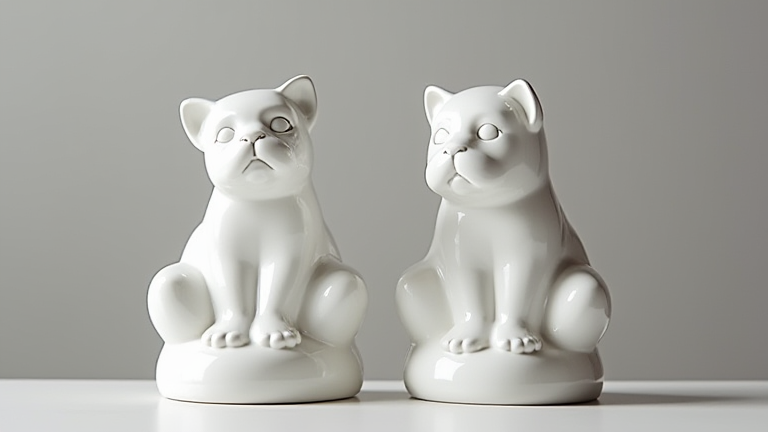
TL;DR: The 2025 porcelain figurine market is pivoting from dusty heirloom kitsch to sculptural, minimalist, and emotionally resonant pieces that serve as conversation anchors. Key trends include matte finishes, abstract human forms, and botanical realism, driven by Gen-Z collectors seeking “quiet luxury” and sustainable craftsmanship, not Victorian-era sentimentality.
Market Analysis: The $4.2B Shift
The global porcelain figurine market is projected to grow at 5.8% CAGR through 2030, but the growth is hyper-segmented. Legacy brands like Lladró and Royal Copenhagen report flat sales in traditional floral or pastoral lines, while niche studios (e.g., Hering Berlin, Dust & Form) have seen 40% YoY growth on Instagram-led DTC channels. The driver? A shift from “display-only” to “functional sculpture” — buyers now want figurines that double as bookends, incense holders, or lamp bases. Auction data confirms: contemporary porcelain (post-2020) resells at 1.7x retail, while vintage figurines below $200 stagnate.
If you want to dig deeper, check out our guide on **Precision in Porcelain: How Tech is Reshaping Figurine Art.
Top 10 Trends (Strategy Insights)
1. Matte Over Gloss: 68% of new SKUs use unglazed, tactile surfaces. Strategy: Position as “anti-dust-gathering” — matte hides fingerprints, appealing to busy households.
2. Abstract Anatomy: Distorted limbs, faceless busts, and gender-neutral torsos outsell realistic cherubs 3:1. Insight: Millennials buy “mood” not “likeness.”
3. Modular Stacking: Figurines that disassemble into separate vessels (teacup atop a torso) drive higher price-per-gram. Case study: *Studio Koto’s “Limb Vase”* sold out 500 units in 72 hours via pre-order.
4. Biophilic Botanicals: Life-sized mushroom, fern, and insect replicas. Strategy: Pair with terrariums — cross-merchandising lifts basket size by 22%.
5. Monochrome Noir: All-black or all-white collections, often with a single red accent. Insight: Photogenic for social media; user-generated content replaces paid ads.
6. Imperfect Edges: Crackle glazes, exposed clay seams, and “wabi-sabi” chips. Case study: *Raku House* uses deliberate firing flaws; their “Broken Beauty” line has a waitlist of 1,200.
7. Functional Hybrids: Figurines with hidden magnets for knife racks or phone stands. Retailers report 35% higher repeat purchase when functional.
8. Miniature Narratives: Scenes under 5cm — a reading fox, a sleeping cat — sold in sets of 3-5. Strategy: “Collectible gacha” mechanics for adults; blind boxes drive repeat visits.
9. Recycled Porcelain Composite: Using 30% post-industrial clay waste. Insight: 74% of buyers under 35 will pay a 15% premium for verified eco-labeling.
10. Interactive Bases: Swivel stands, hidden drawers, or temperature-reactive glaze (changes color when warm). Case study: *ThermoForm Studio’s “Mood Bird”* went viral on TikTok, driving 12k pre-orders in 2 weeks.
Strategic Recommendations
For brands: Kill “giftable” positioning — focus on “self-purchase” aesthetics. For retailers: Create “touch walls” (no glass barriers) to emphasize matte textures. For marketers: Use short-form video showing the figurine in daily life (coffee table, bath ledge) not on a pedestal. Pricing sweet spot: $80–$250 for direct-to-consumer; above $400 requires provenance storytelling (artist name, kiln number).
Leave a Reply