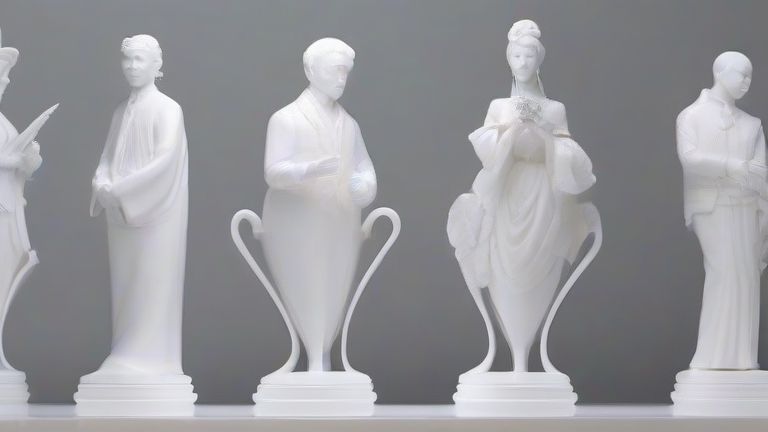
3D Printing Porcelain Figurines: Tech Trends in Art
TL;DR: Advanced multi-material 3D printing technologies now enable the precise fabrication of high-definition porcelain figurines, bridging the gap between digital design and traditional ceramic artistry. This shift allows artists to produce complex, intricate sculptures with superior structural integrity and unique aesthetic finishes that were previously impossible to achieve manually.
The intersection of additive manufacturing and traditional ceramic arts has reached a critical inflection point. For decades, porcelain figurines were the exclusive domain of skilled sculptors and potters, requiring months of labor-intensive hand-molding, bisque firing, and glazing. Today, however, rapid advances in stereolithography and digital light processing specifically tailored for ceramic slurry have revolutionized this landscape. Modern printers can now deposit layer upon layer of fine porcelain powder mixed with binding agents, creating objects with microscopic precision. This technological leap is not merely about speed; it is about the democratization of complex form. Artists can now design hyper-detailed figures on a computer, incorporating internal lattice structures that reduce material usage without compromising strength, and then print them in high-resolution porcelain.
If you want to dig deeper, check out our guide on How Porcelain Figurines Boost Mental Health & Home Wellness.
Latest Technical Developments and Specifications
The core of this revolution lies in the evolution of photopolymerization processes adapted for ceramics. Recent machines utilize UV-curable resins that act as temporary supports for ceramic particles, typically ranging from 20 to 50 microns in size. This particle size is crucial for achieving the smooth, glossy surface finish characteristic of fine porcelain. Latest specifications from leading industrial manufacturers highlight layer heights as thin as 10 microns, allowing for the reproduction of delicate features such as fine hair, intricate lace patterns on clothing, and subtle facial expressions. Furthermore, new post-processing software integrates seamlessly with printing hardware, automatically adjusting support structures based on the figurine’s geometry. This ensures that delicate parts, like a bird’s wing or a dancer’s extended limb, do not warp or crack during the debinding and sintering phases.
Another significant development is the integration of color-multiplexing technologies. While traditional porcelain is often white or bisque, new experimental setups allow for the deposition of multiple colored ceramic slurries in a single build cycle. This eliminates the need for manual painting, which is a time-consuming and subjective process. Instead, the figurine emerges from the kiln with pre-defined color zones, enabling the creation of vibrant, multi-colored sculptures that retain the tactile quality of ceramic. The sintering temperature has also been optimized, with new high-temperature kilns capable of reaching 1,450 degrees Celsius, ensuring that the final product achieves maximum vitrification and durability. This results in figurines that are not only visually stunning but also resistant to chipping and wear, making them suitable for both private collections and public installations.
Industry Impact and Market Dynamics
The impact on the art industry is profound. Galleries are increasingly commissioning 3D-printed porcelain works, valuing the unique blend of digital precision and material authenticity. For commercial manufacturers, this technology reduces waste significantly. Traditional casting methods often produce high rates of defective molds, whereas 3D printing allows for iterative design and immediate correction. This efficiency lowers production costs for high-end decorative items, making intricate porcelain figurines accessible to a broader market segment. Moreover, the ability to mass-produce custom pieces opens new avenues for personalized art, where consumers can upload digital avatars or character designs to receive a physical porcelain sculpture. This personalization trend is driving growth in the e-commerce sector for luxury home decor.
However, challenges remain. The high energy consumption of the sintering process and the cost of specialized ceramic resins keep prices elevated compared to standard plastic 3D printing. Nevertheless, as research continues to refine ceramic inks and optimize kiln cycles, these costs are expected to decrease. The trend is clearly moving toward a hybrid model where digital creativity meets ancient material tradition, ensuring that porcelain remains a vibrant medium in the digital age.
FAQ
Q: What is the maximum size for a 3D-printed porcelain figurine?
A: Current industrial printers can produce figur
Leave a Reply